

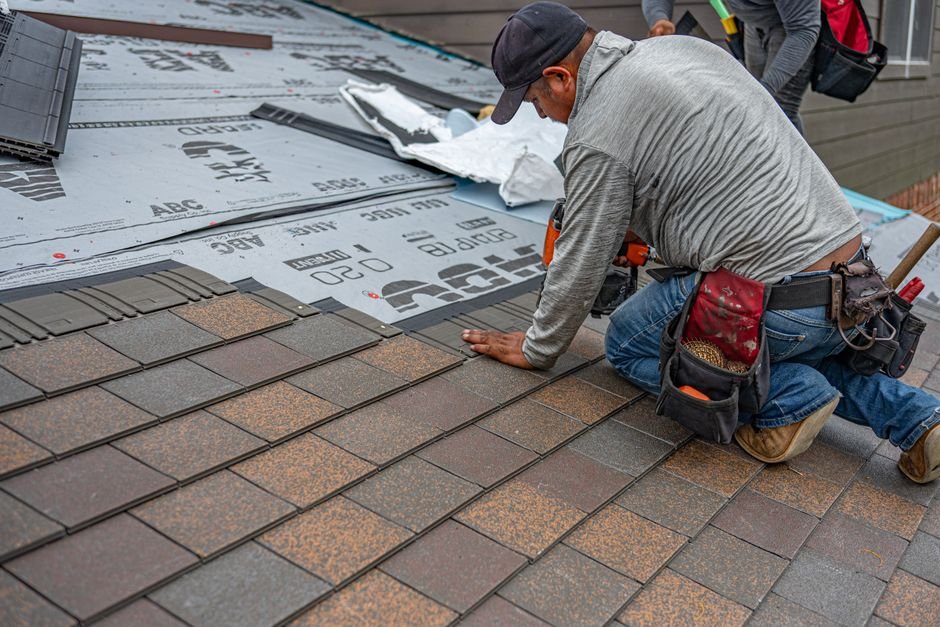
Over 60% of roof renovation projects encounter leaks at some point, often due to overlooked details during installation. This unexpected setback can lead to costly repairs and extensive damage if left unaddressed. By identifying common issues early, you can tackle leaks head-on and safeguard your home.
I’ve researched this topic extensively and compiled practical steps that anyone can follow to tackle leaks post-renovation. Whether it’s a minor drip or a significant leak, these troubleshooting techniques can save you from costly repairs and give you peace of mind.
1. Conduct a Thorough Roof Inspection
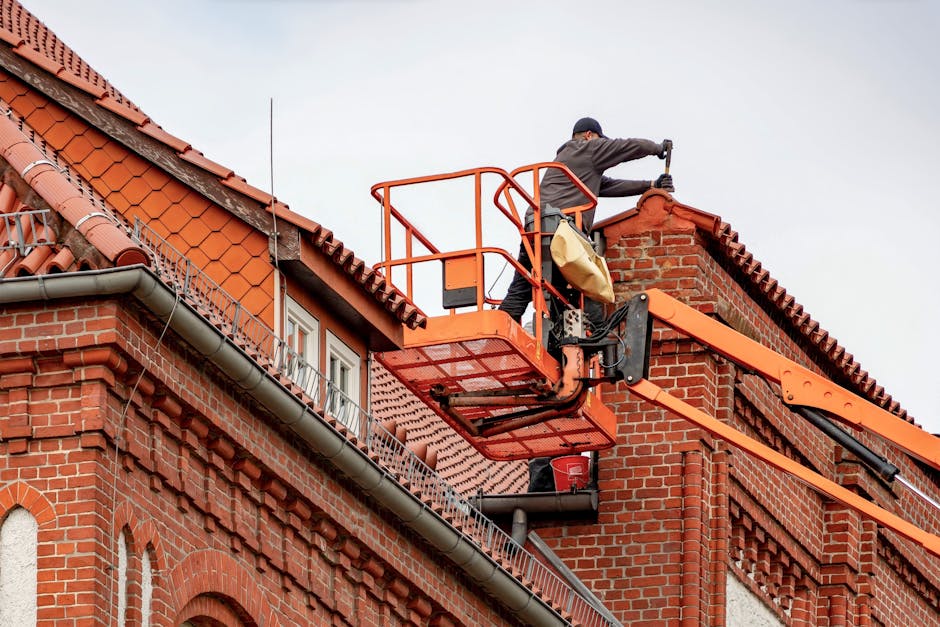
Start with a detailed roof inspection. Walk around the outside and check for visible damage such as missing shingles, sagging areas, or deteriorated flashing. It’s also essential to inspect the inside of your home, especially the attic, for signs of water stains or mold. A careful inspection can reveal underlying problems that need immediate attention.
Pay extra attention to areas where roof penetrations occur, like vents and chimneys. If you notice anything unusual, document it for further evaluation.
2. Investigate Potential Leaking Materials
Next, look into the roofing materials used during the renovation. Different materials, such as asphalt shingles, metal, or tiles, have specific vulnerabilities. For example, poorly installed metal roofs can lead to leaks at the seams. If you suspect that materials may have been compromised, it’s time to investigate further.
When inspecting, ensure you’re looking for the manufacturer’s guidelines on installation, as improper application can lead to leaks.
3. Use Water for Leak Detection
If the inspection hasn’t pointed you to the leak, turn to water to help detect issues. Have a partner use a hose and simulate rain. Start at the lowest area of the roof and work upward, checking the interior for signs of moisture as you go. This method pinpoints the specific area where water is entering.
Be patient with this process; it might take some time to locate the exact spot of the leak.
4. Look for Common Causes of Post-Renovation Leaks
Post-renovation leaks often stem from common culprits. Clogged gutters, improper flashing around chimneys or skylights, and inadequate roofing underlayment can all contribute. Addressing these issues proactively prevents future leaks and prolongs the life of your roof.
Make regular maintenance a priority to keep these common leak sources in check.
5. Evaluate Flashing and Seals
Flashing plays a critical role in directing water away from vulnerable areas. Inspect the flashing around vents and chimneys, paying particular attention to joints. Damaged, cracked, or poorly sealed flashing often results in leaks. Replace or reapply flashing as necessary to ensure a watertight seal.
If sealant was used, check for signs of old or failing materials, which may need to be stripped away and re-applied.
6. Watch for Structural Movement
Sometimes, structural movement can cause leaks, particularly if your home has settled after renovation. Look for cracks in the walls or ceiling that suggest movement. If this is the case, consulting a structural engineer may be warranted to assess potential foundation issues.
In some situations, adding supportive structures may help alleviate future leak concerns related to movement.
7. Consult with a Professional Roofer
If you’ve explored all the above options and still can’t find the source of the leak, it’s time to bring in a professional. An experienced roofer possesses tools and expertise that can provide solutions beyond your DIY efforts. They can conduct a more exhaustive inspection and utilize advanced leak detection techniques.
Consider getting multiple quotes to ensure you’re receiving a fair estimate for repairs. Professional advice can prevent minor repairs from becoming a major issue.

We cover organizer not in more depth separately.
We cover organizer not in more depth separately.
How to Choose Your Next Steps in Repairing the Leak
Focus on repairing visible damage first, as this often indicates a more significant problem. For subtle leaks, keep an eye on the area for a while before deciding on immediate action. Document all inspections and repairs to assist with future maintenance and claims.
Frequently Asked Questions
Why do roofs leak after renovation?
Roofs can leak after renovation due to improper installation of materials, inadequate sealing around vents and edges, or failure to address underlying structural issues. Weather conditions, such as heavy rain or snow, can also exacerbate these flaws, leading to leaks.
How can I spot a leak in my renovated roof?
To spot a leak in your renovated roof, look for water stains on ceilings, walls, or around fixtures. Additionally, inspect the roof exterior for visible damage, such as missing shingles or gaps where flashing has been improperly installed.
What are the common mistakes leading to roof leaks?
Common mistakes that lead to roof leaks include not properly flashing around chimneys and vents, using low-quality materials, and failing to ensure adequate drainage. Incorrect installation techniques and neglecting to repair existing damage before renovation also contribute to leak issues.
Can roof leaks be fixed without major repairs?
Many roof leaks can be fixed without major repairs by addressing small issues like resealing flashing, replacing a few damaged shingles, or applying roofing cement. It’s important to identify and address the specific source of the leak to make an effective repair.
Is it possible to prevent leaks during renovation?
Yes, leaks can be prevented during renovations by using high-quality materials, ensuring proper installation techniques, and conducting thorough inspections before and after the work is completed. Additionally, planning for adequate drainage and ventilation can significantly reduce the risk of leaks. For more information, see this article on troubleshooting roof renovation leaks.



Leave a Reply