

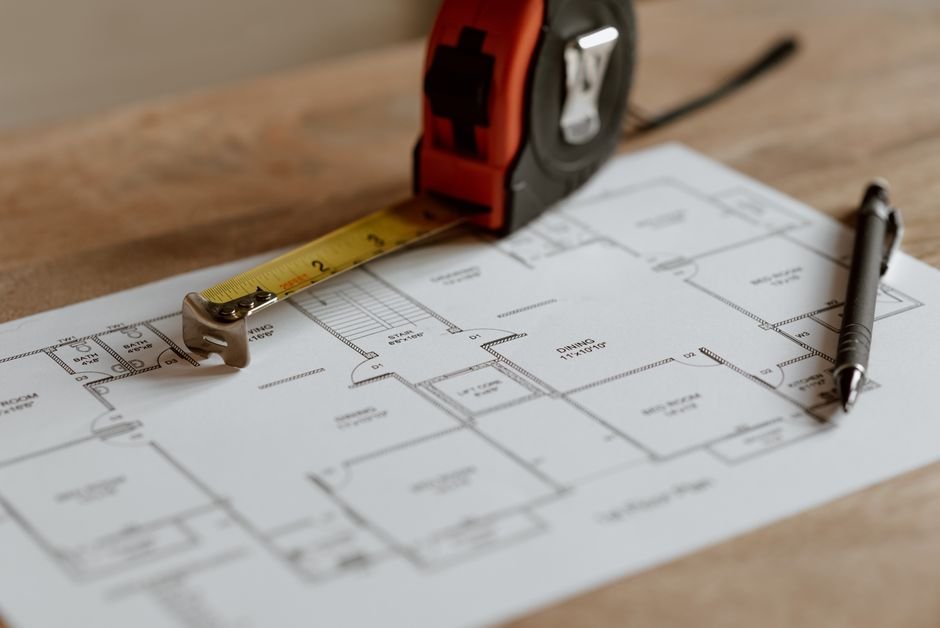
Over 40% of home renovation projects run over budget, often due to a lack of planning. Many homeowners jump into renovations without a clear picture of what they want to accomplish, resulting in costly mistakes and timelines that stretch for months. A detailed renovation timeline is essential to manage expectations and resources effectively.
When you know how to create a renovation timeline, you can efficiently plan your next home improvement project, from the initial stages through to completion. Here’s a straightforward guide to help you map out each phase of your renovation.
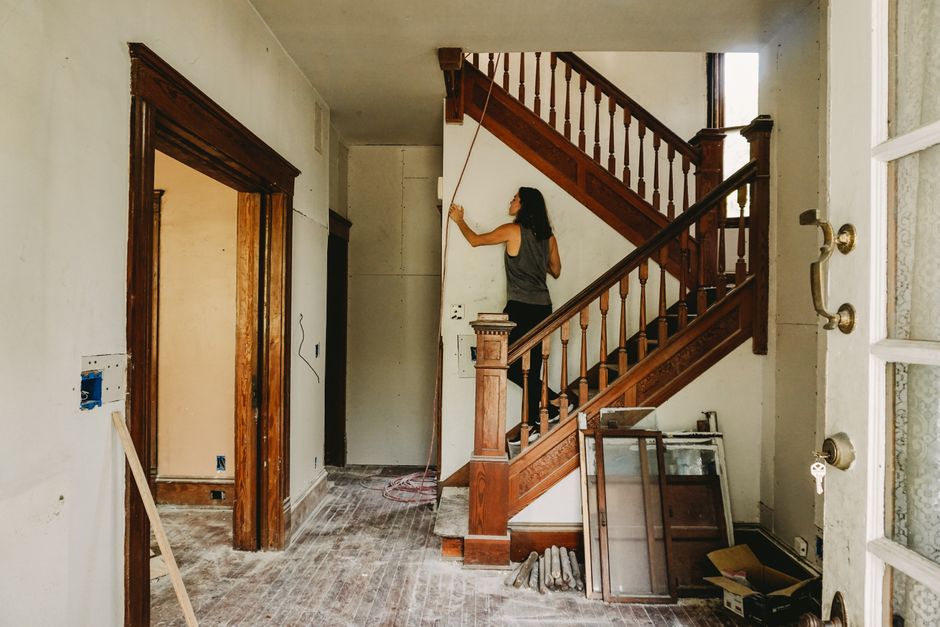
Starting with a Solid Foundation: Define Goals and Prioritize Tasks
Before you even think about picking up a hammer, define what you want to achieve with your renovation. Are you expanding your living space? Upgrading your kitchen? Each goal requires different considerations. When you clarify your objectives first, you set a strong foundation for your timeline.
Once you have your goals, prioritize tasks based on their impact and dependencies. For example, if you plan to remodel your bathroom and kitchen simultaneously, the kitchen might need to be prioritized if plumbing issues are shared. Write down all tasks, and arrange them in a logical order; this forms the skeleton of your timeline.
Estimating Timeframes for Each Task
After defining your goals and tasks, it’s time to estimate how long each task will take. I always suggest being realistic about the time each task might require. If plumbing installations normally take a week, don’t optimistically reduce it to three days. There’s nothing worse than underestimating a project and facing delays later on.
A good rule of thumb is to add 15-20% extra time to your initial estimates to account for unexpected issues.
Additionally, start working on your timeline by blocking time for permits or approvals, as they can hold up your project. Check with your local regulations for the necessary permits, as this can take anywhere from a few days to several weeks.

Budge It Right: Incorporating Financial Considerations
While you’re mapping out your timeline, do not forget your budget. Renovations can quickly become costly, so it’s crucial to allocate funds effectively across your timeline. I recommend setting a clear budget for each phase of your renovation, and revisiting it regularly to see how incurred expenses match your estimates.
This way, you can adjust your timeline accordingly if you discover that one area might need more funds.
Moreover, while sticking to a budget, always prepare for surprises. It’s common for projects to unearth hidden issues; for example, mold behind walls or outdated wiring. Including a contingency fund of 10-15% of your overall budget will allow you to handle these unexpected expenses without derailing your entire project.
Communicating with Contractors and Suppliers
Effective communication is key once your timeline is established. If you’re working with contractors, ensure they understand the timeline and their respective responsibilities. Schedule regular check-ins with them to keep up with the progress and address any concerns right away. Establishing this line of communication at the onset can mitigate misunderstandings later.
If you’re sourcing materials or appliances, factor lead times into your timeline. Items like custom cabinetry can take several weeks to arrive, so order those as soon as possible. Creating a schedule here is crucial to avoid bottlenecks that can slow down your entire project.
Review and Adjust as Needed
Your timeline shouldn’t be set in stone. Renovation projects can often be unpredictable, so flexibility is essential. I recommend reviewing your timeline weekly, adjusting as necessary based on any delays or advancements in work completion.
Stay organized with project management tools or even simple spreadsheets to track progress and timelines. The minute something feels off-track, reassess and make the adjustments you deem necessary. This proactive approach keeps everything flowing smoothly.
Getting Back on Track: Handling Setbacks
Even with the best-laid plans, setbacks are likely. If something doesn’t go as scheduled, perhaps due to bad weather impacting exterior work, don’t panic. Review your tasks and see where you can make changes without compromising later stages. Be prepared to shuffle tasks around to maintain progress.
In my experience, resilience is critical in renovation projects. Keep your end goals in mind and stay open to altering your approach when needed. Regular adjustments can lead to a more successful outcome without you ending up overwhelmed.
Worth reading alongside this: create a minimalist living.
If that matters to you, our piece on without stress goes further.
Final Touches: Conclusion and Lessons Learned
The best approach is to create a timeline that incorporates specific milestones, budget checks, and regular communication with your team. For those who thrive on structure, a detailed plan works well, while DIY enthusiasts may prefer a flexible schedule that allows for spontaneity. Regardless of your style, prioritizing organization will minimize setbacks and keep the project moving smoothly.
Frequently Asked Questions
What is the first step in a renovation project?
The first step in a renovation project is to define your goals and budget. This involves assessing what you want to achieve with the renovation and how much you are willing to spend.
Why is a renovation timeline important?
A renovation timeline is important because it helps organize the project, ensuring that tasks are completed in a logical sequence and within a set timeframe. This reduces potential delays and keeps the project on budget.
How long should each renovation phase take?
The duration of each renovation phase can vary greatly depending on the scope of work, but a general estimation might range from a few weeks for small projects to several months for larger renovations. It's crucial to allocate enough time for each phase to avoid rushing and compromising quality.
Can you change a renovation timeline mid-project?
Yes, you can change a renovation timeline mid-project, but it's essential to communicate any adjustments with all involved parties. Factors such as unexpected delays or changes in project scope may necessitate revisions to the original timeline.
What tools help manage a renovation timeline?
Tools like project management software, spreadsheets, and specialized renovation apps can assist in managing a renovation timeline. These tools allow for detailed scheduling, tracking progress, and coordinating tasks effectively.




Leave a Reply