

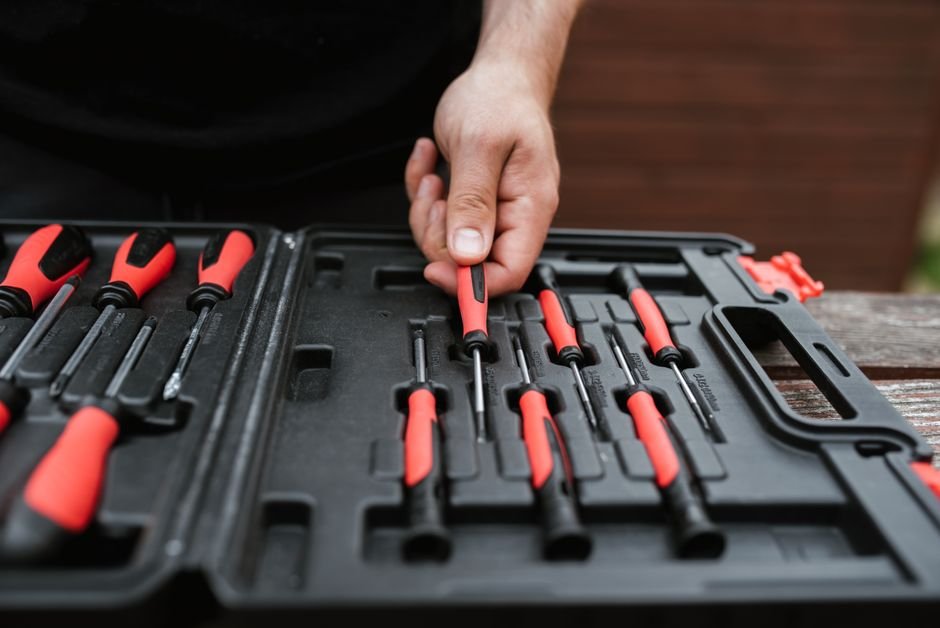
A cheap tool set might cost you around $50, but buying the wrong tools can lead to wasted time and money. To avoid unnecessary expenses on items that sit in your garage, it's crucial to understand what you genuinely need for your DIY projects. This guide will provide you with the insights necessary to select tools that work for your projects and fit your budget.
It starts with understanding what you need. Are you tackling a large remodeling job, or is it a simple repair? Having clear objectives helps streamline your decision-making process, avoiding unnecessary purchases in the long run.
Prioritize Projects and Budget
Before you choose tools, outline the projects you plan to take on. Some tasks require specialized tools, while others can be completed with basic hand tools. If you’re planning extensive renovations, you might consider investing in power tools. On the flip side, a simple painting project only necessitates brushes and rollers.
Establish a budget. Allocating funds to specific tools will keep you focused and avoid that tempting “it’s only a little more” syndrome. Stick to your budget, particularly if you’re a beginner. It’s easy to overestimate your needs, so be realistic about what you’ll actually use.
Understand Tool Types: Power vs. Hand Tools
Deciding between power tools and hand tools can be monumental. Power tools are fantastic for efficiency but can incur higher costs, both in purchasing and maintaining them. For example, a decent power drill can cost anywhere from $50 to several hundred, depending on its capabilities.
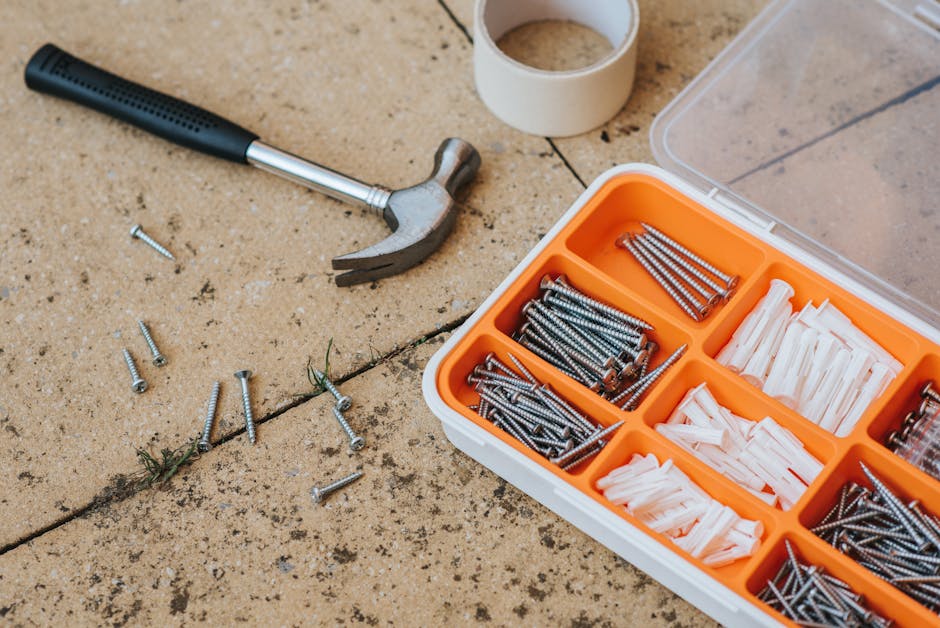
On the other hand, hand tools, while sometimes requiring more effort, can be just as effective for many tasks. Basic tools like hammers, screwdrivers, or wrenches can usually get the job done without the hefty price tag, often costing less than $20 each. I suggest starting with hand tools, as they are often the foundation for many DIY projects.
Skip the All-in-One Tool Kits
While tool kits seem convenient, they can offer mixed value. Often, you get a variety of tools you may never use. Instead of an all-in-one kit, I recommend choosing individual tools based on your specific project needs. This ensures each investment serves a purpose.
If you’re serious about tackling multiple projects, consider buying high-quality versions of the most commonly used tools, like a reliable saw or a dependable screwdriver set. These tools last longer and perform better than the cheap tools that come in those kits. Remember, quality often outweighs quantity.
Identify Essential Tools for Common DIY Tasks
No matter the project, certain tools will always come in handy. If you’re painting, a good set of brushes and rollers is a must. For assembly tasks, a set of pliers and a hammer will be your go-to tools. If you’re working with wood, having a quality level, measuring tape, and a saw will cover most tasks.
Consider adding a few versatile tools to your collection, such as a utility knife or a cordless drill. These tend to be useful for a wide range of tasks, making them worth the investment. If you’re planning to do a lot of cutting, check out my article comparing chainsaw and circular saw options for guidance.

Rent Before You Buy
If you’re still unsure about investing in a specific tool, consider renting it first. Many home improvement stores offer tool rentals, allowing you to use equipment for a short period without the long-term financial burden of purchase. This can save you money and help you determine whether a tool is something you’d use frequently.
Renting also provides a chance to test different brands or models without the commitment of buying. If you end up using it often enough, you can then make a more informed decision on which model fits your needs best.
Final Recommendations
For those just starting out, prioritize a set of high-quality hand tools and consider adding just one or two versatile power tools for efficiency. This combination supports a range of projects from simple repairs to larger builds while avoiding the pitfall of purchasing multiple unnecessary items.
If that matters to you, our piece on choose a toaster goes further.
If that matters to you, our piece on choose a toaster goes further.
Frequently Asked Questions
What basic tools are needed for DIY projects?
Basic tools for DIY projects typically include a hammer, screwdrivers (flathead and Phillips), pliers, a tape measure, and a utility knife. Depending on the specific projects, other tools like a level, saw, and drill may also be useful.
How can I choose the right tool for a specific task?
To choose the right tool for a specific task, first assess the requirements of your project and identify the materials involved. Research or consult guides for recommendations on how to choose the right tool for DIY projects that are best suited for those tasks.
Why is tool quality important in DIY projects?
Tool quality is important because high-quality tools are often more durable, efficient, and safer to use than their cheaper counterparts. Investing in good tools can lead to better results and save money in the long run by reducing the need for replacements.
What are the must-have tools for beginners?
Must-have tools for beginners include a hammer, a set of screwdrivers, pliers, a tape measure, and a handsaw. A cordless drill and a level can also be very helpful as you take on a variety of projects.
Can I use a power tool for all DIY tasks?
While power tools can greatly increase efficiency and ease of use for many tasks, they are not always suitable for every DIY project. Some tasks may require more precision or control that hand tools provide better than power tools.


Leave a Reply