


Over 80% of households own a toaster oven, yet many purchase one without considering their specific needs. Selecting the right model can save you around $200 a year by reducing energy consumption and food waste, as these versatile appliances can take on multiple cooking tasks.
To make the best selection, it helps to know what features to prioritize based on your cooking habits and space constraints. Here’s how to choose a toaster oven that fits seamlessly into your life, especially if you’re tight on space or traveling often.

Key Features to Look for in a Toaster Oven
When deciding how to choose a toaster ovenyou’ll want to consider several essential features that can significantly impact your experience. First, think about cooking capacity. Compact kitchens and travel often require a smaller model, so look for options with a capacity of around 0.5 to 1 cubic feet. This size is enough for personal meals without taking up too much counter space.
Energy efficiency is another key factor. Many modern toaster ovens can deliver high performance while using less energy than traditional ovens. Look for models that feature energy-saving designs or automatic shut-off capabilities, which can reduce your electric bill while also being better for the environment.
The Importance of Temperature Control
Temperature control is crucial for achieving the best cooking outcomes, especially for baking. I’ve found that a toaster oven with precise digital temperature settings (preferably with an accuracy of +/- 10 degrees) helps avoid overcooked or undercooked meals. Some models offer pre-set functions for specific tasks like baking, broiling, or toasting, which can be particularly useful for novices or those who prefer a hands-off approach.
Additionally, consider the time it takes for the oven to preheat. Some compact models can take significantly longer than larger counterparts. Aim for units that preheat within a 10 to 15-minute range to keep your meal prep efficient.
Comparing Different Toaster Oven Types
Different types of toaster ovens cater to varying needs. For instance, a conventional toaster oven is versatile for most cooking tasks, but if you’re particularly short on space, a toaster oven with a built-in air fryer could be a game-changer. These models can cook food with less oil, making meals healthier without sacrificing taste.
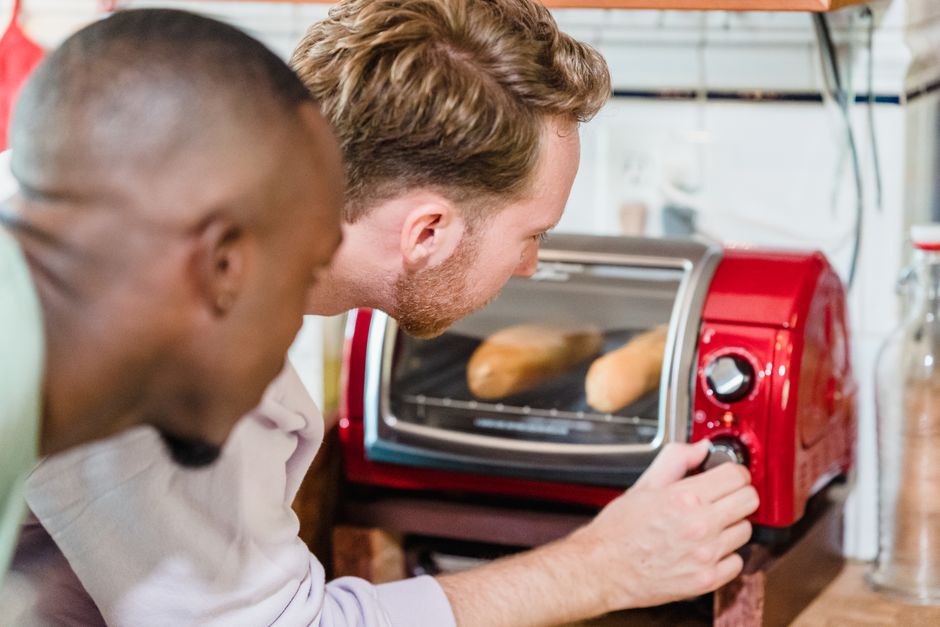
If you frequently travel and need a lightweight, portable option, choose a mini toaster oven. These smaller versions still provide substantial cooking functions but are easier to pack and set up in different kitchens.
Do You Really Need All Those Extra Features?
While it’s tempting to opt for a toaster oven with multiple features, like convection cooking, rotisserie settings, and even smart controls, I often recommend against over-complicating things. Stick to features you will truly use. Extra bells and whistles can jack up the price and might only result in more complex operations that aren’t necessarily intuitive.
Think about your cooking style. If you mostly make toast, reheat meals, or broil vegetables, you might not need an advanced model with elaborate programming. A model with straightforward manual controls is often easier to use for those who prefer simplicity.
Pricing and Value: What to Consider
The price range for toaster ovens can vary significantly, from low-end, basic models around $50 to high-end, multifunctional ones that can exceed $300. A basic toaster oven should meet the needs of most casual users, while serious cooks may find that investing in a premium option with better materials (like stainless steel) adds durability.
- Basic models ($50-$100): Good for light use, perfect for toast or reheating.
- Mid-range models ($100-$200): Offers decent cooking capacity and better features like convection cooking or digital controls.
- High-end models ($200+): Include top-of-the-line materials and multiple cooking functionalities.
To ensure you’re getting value for your money, pay attention to warranty options and customer service ratings, as these can provide peace of mind and support down the line.
Durability Considerations
Material plays a big role in the longevity of your toaster oven. Models made with stainless steel generally withstand wear and tear better than plastics, which can crack or warp. Moreover, check reviews to see how well the model performs over time; this helps avoid models that may look great but have low durability based on consumer feedback.
Lastly, ensure your toaster oven has good heat distribution. An oven that cooks evenly is worth its weight in gold; this consideration often separates high-quality models from mediocre ones.
Who Should Choose Which Type of Toaster Oven?
If you’re a frequent traveler, a compact, lightweight toaster oven with simple functions would be best. It should be easy to pack and set up. For someone cooking for a larger family or entertaining often, a model with greater cooking capacity and more features would be beneficial. You want one that can handle multiple dishes at once without compromising on quality.
I’d say if you typically cook for one or two, sticking with a basic model will serve you well. If cooking is a passion or you’ll host gatherings, then invest in a model with advanced features and better materials to ensure it can handle the demands.
Final Thoughts: The Best Choice for You
The Breville Smart Oven is a solid choice for those who frequently bake and roast, while the Black+Decker TO3250XSB suits budget-conscious consumers who need basic functionality. For travelers, a compact option like the Hamilton Beach 31103D provides convenience without taking up too much space. If you’re unsure about which type is best, see this guide on how to choose a toaster oven.
Frequently Asked Questions
What should I look for in a toaster oven?
When choosing a toaster oven, consider its size, capacity, and cooking functions like baking, broiling, and toasting. Ensure it has adjustable temperature settings and a timer for precise cooking.
Can a toaster oven replace a regular oven?
A toaster oven can replace a regular oven for many small tasks, especially if you're cooking for one or two people. However, for larger meals or baking multiple items at once, a traditional oven may still be necessary.
How much power does a toaster oven use?
Toaster ovens typically use between 1200 and 1800 watts of power, depending on the model and settings. This is generally more efficient than a regular oven, especially for small meals.
Which toaster oven is best for traveling?
For traveling, look for a compact, lightweight toaster oven that has a dual voltage option. A small model with a limited cooking capacity will be most convenient and easier to pack.
Is a convection toaster oven better?
A convection toaster oven is often considered better because it circulates hot air for even cooking and faster baking times. This feature can enhance browning and crisping of foods, making it a popular choice for many cooks.




Leave a Reply