

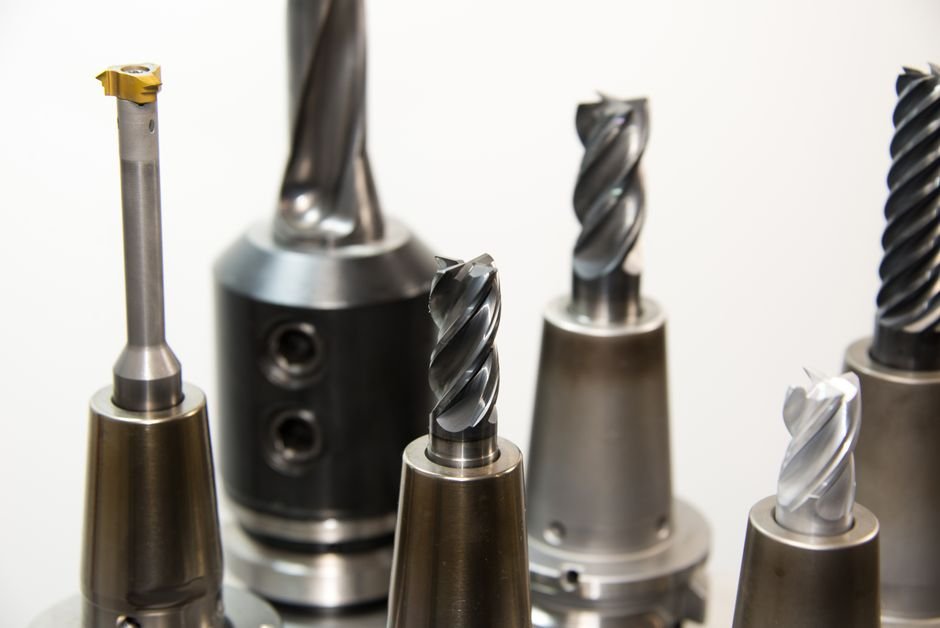
Using the correct size drill bit is essential for any project, as a single size too large can ruin your work and waste materials. A common blunder is grabbing a drill bit at random, leading to inefficiencies or even damaging the item you're working on. Here's a straightforward guide to quickly determining the right drill bit size for your needs.
Size matters. Whether you’re creating holes for screws, anchors, or dowels, the hole diameter directly impacts the fit and stability. Understanding the relationship between drill size and application can save you time and prevent costly errors. Let’s get into the nitty-gritty of choosing the best drill size.
Drill Bit Sizes Chart and Measurement Basics
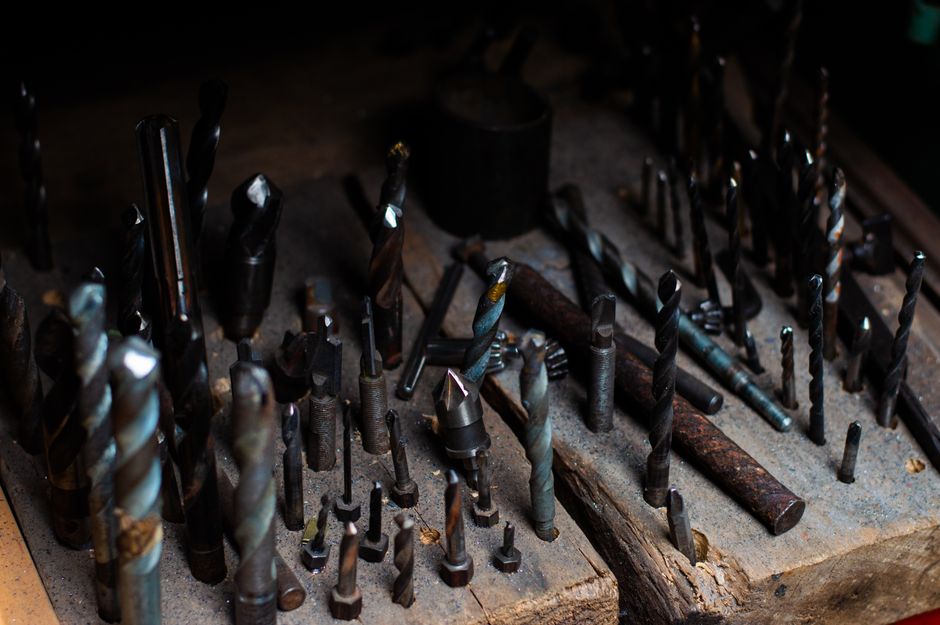
To find the right size drill bit, start by consulting a drill bit sizes chart. These charts provide a quick reference for standard bit sizes in both metric and imperial units. For example, a common fractional drill bit sizes ranges from 1/16 inch to 1 inch, while the metric sizes frequently go from 1 mm to 25 mm.
If you’re drilling in metal, you might want to go with a thinner bit, while wood often requires larger sizes, typically in the 1/8 inch to 3/4 inch range.
It’s important to measure your target hole diameter first. A dial caliper or a simple tape measure can help you confirm what size you need. I frequently use a caliper for precise measurements; it’s more reliable than eyeballing it. Once you know the desired hole size, refer back to that chart for the corresponding drill bit. Having a clear visual reference simplifies the process tremendously.
Factors to Consider When Choosing Drill Bit Size
While knowing the size is key, don’t forget about the material type you’re working with. Different materials require different drill bit characteristics. For instance, wood bits are designed with a sharp tip for ease of entry, while masonry bits have a harder tip to penetrate tougher surfaces. Each bit type has specific dimensions that directly correlate with their purpose.
If you’re working with metal, choose a bit rated for that material, as it will be sharper and more robust, allowing for cleaner holes.
Also, consider the depth of the hole you need. If it’s shallow, a standard bit will suffice. For deeper holes, a longer bit may be necessary, particularly with thick or dense materials. I’ve found that using the drill bit’s length determines not just the hole size but also how effectively I can complete the task without constantly changing bits.
Combatting Common Drill Bit Sizing Mistakes
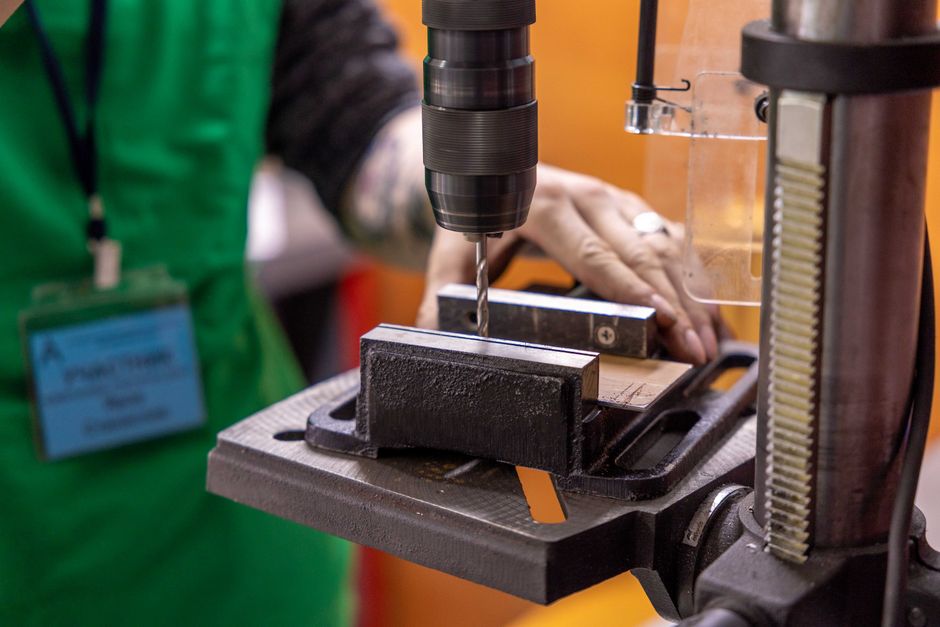
A frequent error many beginners make is choosing a bit that’s too small or too large. A drill bit that’s too small won’t create an adequate hole, leading to loose fittings. On the other hand, using a much larger bit can compromise the integrity of your material.
I recommend erring on the side of caution and selecting a slightly smaller bit when you’re unsure. You can always adjust later, but starting with a larger hole is typically more difficult to remedy.
It’s also beneficial to check the packaging for recommended hole sizes associated with each drill bit. Manufacturers often provide guidance on the appropriate uses for their bits, and this can help you avoid missteps. Ultimately, keeping an eye on both size and type will ensure you achieve the best results.
Drill Bit Gauge and Its Importance
Another aspect of selecting the correct drill bit is understanding the gauge. For metalworking, for example, bits are often sized with a capital letter and a number. A number 6 drill bit has a diameter of about 0.204 inches, while a letter A bit measures approximately 0.234 inches. This gauge helps in selecting bits for specific tasks, particularly for jobs requiring precise holes.
To streamline the process, I keep a drill bit gauge handy. This measurement tool lets me quickly identify the size I need without mustering up conversion math on the spot. Being able to quickly assess the required size helps me keep a project moving without unnecessary delays.
My Recommendations for Effective Drilling
So what’s my verdict on finding the right size drill bit? Always take the time to measure your hole diameter first, and keep a drill bit sizes chart or a handy gauge by your side. Prioritize using the right bit for your specific material to ensure clean, efficient work. And remember, if in doubt, go slightly smaller.
It’s always easier to adjust than to fix an oversized hole.
Incorporating these tips will not only enhance your drilling experience but lead to better finishes across your projects. If you’re venturing into DIY home improvements alongside your drilling tasks, be sure to check out my guide on best patio heaters to keep your workspace cozy.
For those interested in security systems, my comparison of wired vs wireless home security options might just help you make an informed decision here: Wired vs Wireless Home Security System.
Frequently Asked Questions
What size drill bit should I use for a screw?
The size of the drill bit you should use for a screw typically depends on the screw type and size. Generally, a drill bit that is slightly smaller in diameter than the screw's shaft will work for pre-drilling, allowing the screw to grip the material securely.
How do you measure drill bit size accurately?
To measure a drill bit size accurately, you can use a caliper or a drill bit gauge that displays fractional, metric, or numbered sizes. Ensure the bit is clean and free of debris for the most precise measurement.
Can I use any drill bit for concrete walls?
No, you cannot use any drill bit for concrete walls; you need a masonry drill bit specifically designed to cut through hard materials like concrete. These bits typically have a tungsten carbide tip, making them suitable for such tough surfaces.
Why is drill bit size important?
Drill bit size is important because it affects the fit and hold of screws or anchors in materials. Using the correct size ensures proper penetration without damaging the material, while also allowing for the load-bearing capacity needed for the application.
How to choose the best drill bit for your project?
To choose the best drill bit for your project, consider the material you will be drilling into, such as wood, metal, or masonry. Additionally, assess the size and type of hole needed, and how to find the right size drill bit that corresponds with both the material properties and your project's requirements.




Leave a Reply