

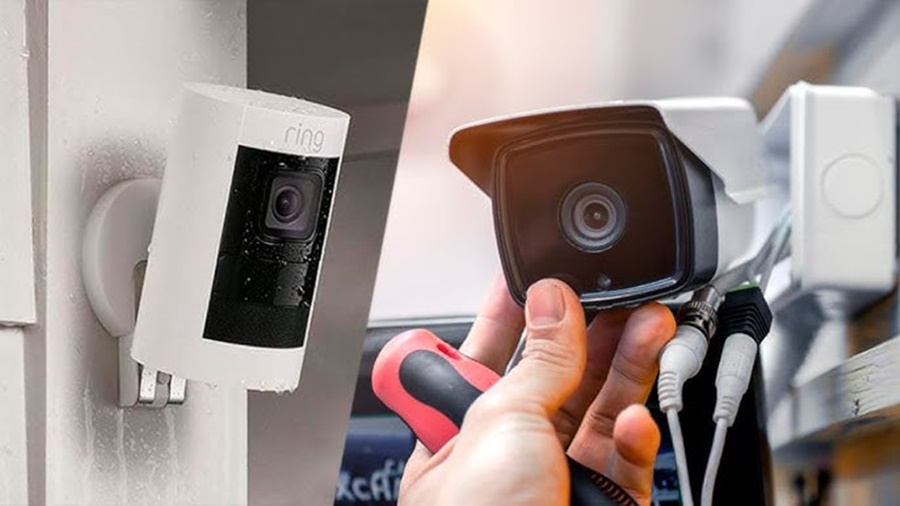
Home security systems have evolved significantly over the years, offering homeowners a wide range of choices to protect their property and loved ones. One of the most important decisions when choosing a system is whether to go with a wired or wireless setup. Each option comes with its own strengths, limitations, and ideal use cases.
Understanding these differences can help you make an informed decision that fits your home, lifestyle, and budget.

What Is a Wired Home Security System?
A wired home security system connects all its components—such as cameras, sensors, and alarms—through physical cables. These wires typically run through walls, ceilings, and floors, linking devices to a central control panel.
Advantages of Wired Systems
1. Reliability and Stability
Wired systems are known for their consistent performance. Since they rely on physical connections rather than signals, they are less prone to interference from other devices or network disruptions.
2. No Signal Interference
Wireless systems can sometimes be affected by Wi-Fi congestion or signal blocking from walls. Wired systems avoid these issues entirely, making them more dependable in large or complex homes.
3. Enhanced Security Against Hacking
Because wired systems don’t rely on wireless communication, they are generally harder for hackers to compromise remotely.
4. Lower Long-Term Maintenance
Once installed, wired systems usually require less maintenance since there are no batteries to replace in sensors or devices.
Disadvantages of Wired Systems
1. Complex Installation
Installing a wired system can be labor-intensive. It often requires drilling, routing cables through walls, and possibly professional installation.
2. Less Flexibility
Once installed, it’s difficult to move or expand the system. Adding new components may require additional wiring work.
3. Higher Initial Cost
The installation process and labor can make wired systems more expensive upfront.
What Is a Wireless Home Security System?
Wireless home security systems use radio signals, Wi-Fi, or cellular networks to connect devices. Sensors and cameras communicate with the control panel without the need for physical wiring.
Advantages of Wireless Systems
1. Easy Installation
Wireless systems are much simpler to install. Many are designed for DIY setup, requiring minimal tools and no structural modifications.
2. Flexibility and Scalability
You can easily add, remove, or relocate devices as needed. This makes wireless systems ideal for renters or people who may move homes.
3. Remote Access and Smart Features
Most wireless systems integrate seamlessly with smartphones, allowing you to monitor your home, receive alerts, and control devices remotely.
4. Cleaner Aesthetic
Without the need for visible wires, wireless systems maintain a cleaner and more modern look.
Disadvantages of Wireless Systems
1. Dependence on Signal Strength
Wireless systems rely on Wi-Fi or cellular signals, which can be affected by distance, interference, or outages.
2. Battery Maintenance
Many wireless devices run on batteries, which need to be replaced or recharged periodically.
3. Potential Security Risks
Although modern systems use encryption, wireless signals can still be more vulnerable to hacking compared to wired connections.
4. Ongoing Costs
Some wireless systems require subscriptions for cloud storage, monitoring services, or advanced features.
Key Factors to Consider
When deciding between wired and wireless systems, consider the following:
1. Type of Property
- Wired systems are ideal for newly constructed or owned homes.
- Wireless systems are better for rented properties or temporary setups.
2. Installation Preference
- If you prefer a professional, permanent setup, wired may be better.
- If you want a quick DIY solution, wireless is the way to go.
3. Budget
- Wired systems have higher upfront costs but lower ongoing expenses.
- Wireless systems are cheaper initially but may involve subscription fees.
4. Internet Reliability
- If your internet connection is unstable, a wired system offers more reliability.
- Wireless systems perform best with strong, consistent connectivity.
5. Security Needs
- For maximum resistance to tampering and interference, wired systems are stronger.
- For convenience and smart home integration, wireless systems excel.
Which One Should You Choose?
There is no one-size-fits-all answer. The best choice depends on your specific needs:
- Choose a wired system if you want long-term reliability, minimal maintenance, and strong security, especially in a permanent residence.
- Choose a wireless system if you value flexibility, ease of installation, and modern smart features.
Costs and Maintenance Considerations
The price of home security systems varies significantly between wired and wireless options. Wired systems generally have a higher upfront cost due to installation and materials. You might pay anywhere from $500 to $1,500 for equipment and installation. In contrast, wireless systems typically range from $200 to $800, depending on features.
Monthly monitoring fees can also differ. Wired systems sometimes come with lower fees if self-monitored, while wireless systems often charge competitive rates for cloud services. Maintenance is another aspect. Wired systems require occasional inspections for wear, while wireless systems need battery replacements and software updates.

Who Each Option Suits
A wired system is ideal for homeowners who prioritize stability and reliability. If you like having a permanent setup and minimizing wireless interference, this option may be right for you. Families with multiple members can also benefit from the robustness of wired technology.
Wireless systems cater well to renters or those who move frequently. They offer flexibility and portability, allowing easy relocation. If you prefer to customize your system or add new features without extensive installation, a wireless solution is suitable. Think about your lifestyle to find the best fit.
Conclusion
Both wired and wireless home security systems offer effective protection, but they cater to different priorities. Wired systems emphasize durability and stability, while wireless systems focus on convenience and adaptability. By evaluating your home layout, technical comfort, and security expectations, you can select a system that provides peace of mind and fits seamlessly into your lifestyle.





Leave a Reply