

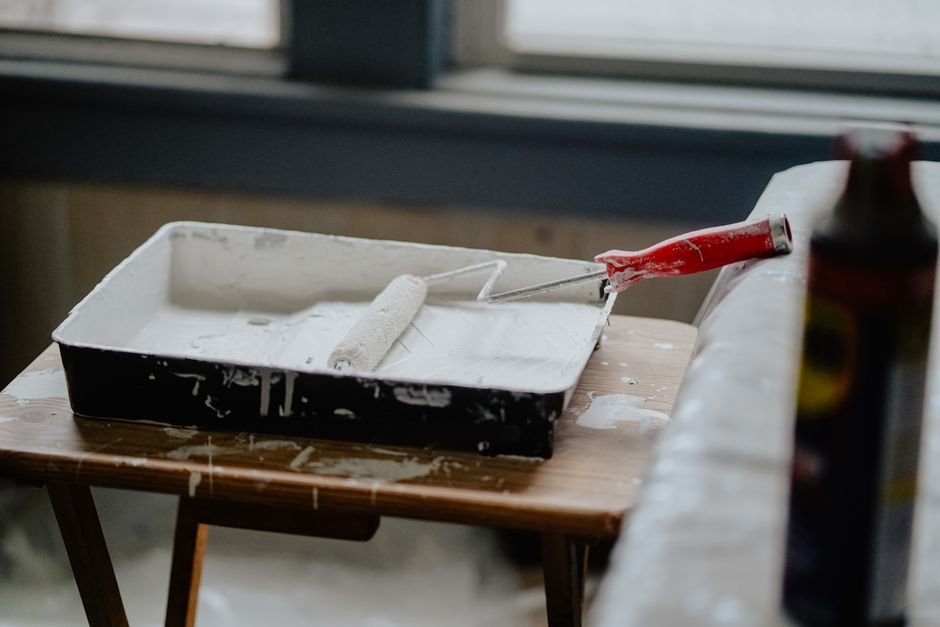
A typical home renovation can easily reach $50,000, but you can cut that cost significantly with smart planning. By prioritizing strategic updates, you can enhance your home’s value without overspending. Here are seven essential home renovation tips to help you achieve this balance.

1. Prioritize Your Projects
Before diving into renovations, take time to assess what areas of your home need the most attention. This not only keeps your budget in check, but also ensures you’re targeting renovations that will add the most value. I’ve found that focusing on high-impact areas, like the kitchen and bathroom, usually pays off.
These rooms sell homes, and updates here can attract buyers or improve your daily life.
Start by making a list of potential projects ranked by importance and cost. Tackle the highest priority ones first, and you’ll have a clearer picture of your overall budget.
2. Embrace DIY Where Possible
Many renovations can be done yourself, saving on labor costs. Tasks such as painting, landscaping, or installing simple hardware can be surprisingly rewarding. I completely redid a bathroom on my own with a fresh coat of paint, new fixtures, and some clever decor upgrades. It took time but was well worth the effort and the money saved.
Consider watching online tutorials for guidance. They can provide you with skills and confidence to tackle multiple DIY projects successfully.
3. Incorporate Energy-Efficient Upgrades
Investing in energy-efficient appliances or insulation can have significant long-term savings. I installed a programmable thermostat and energy-efficient lighting, which reduced my energy bills dramatically. Over time, these upgrades pay for themselves while enhancing home comfort.
Look into tax credits or rebates in your area for additional savings on these improvements; they can significantly offset upfront costs.
4. Shop Smart for Materials
Materials can be a significant portion of your renovation costs; however, being strategic can lead to major savings. I always check local hardware stores for sales and clearance items. Additionally, consider sourcing materials from habitat for humanity or local repurposing stores. Not only is it budget-friendly, but it’s also a sustainable option.
Don’t forget about online marketplaces. You’d be surprised what you can find, from leftover tile from someone else’s project to brand new fixtures at discounted rates.
5. Know When to Hire Professionals
While DIY projects can save money, sometimes it’s smarter to hire a professional, especially for electrical or plumbing work. Attempting these tasks can lead to higher costs if you make mistakes. I once tried fixing a leaky faucet, which ended up causing an even bigger issue needing professional intervention. It taught me there are times to step back and acknowledge my limits.
If you are unsure about a project, get multiple bids from reputable professionals. This allows you to identify what’s a reasonable price and avoid being overcharged.
6. Update Hardware for Big Impact
Updating cabinet hardware or door knobs can drastically change the appearance of a room without large expenses. I recently swapped out all my kitchen cabinet handles for modern designs and couldn’t believe how refreshed the space felt. It’s an effortless way to add contemporary flair without the need for a whole remodel.
This approach can be applied in various areas of your home, so get creative with lighting fixtures, faucets, and even furniture hardware, small changes matter!
7. Consider the Layout
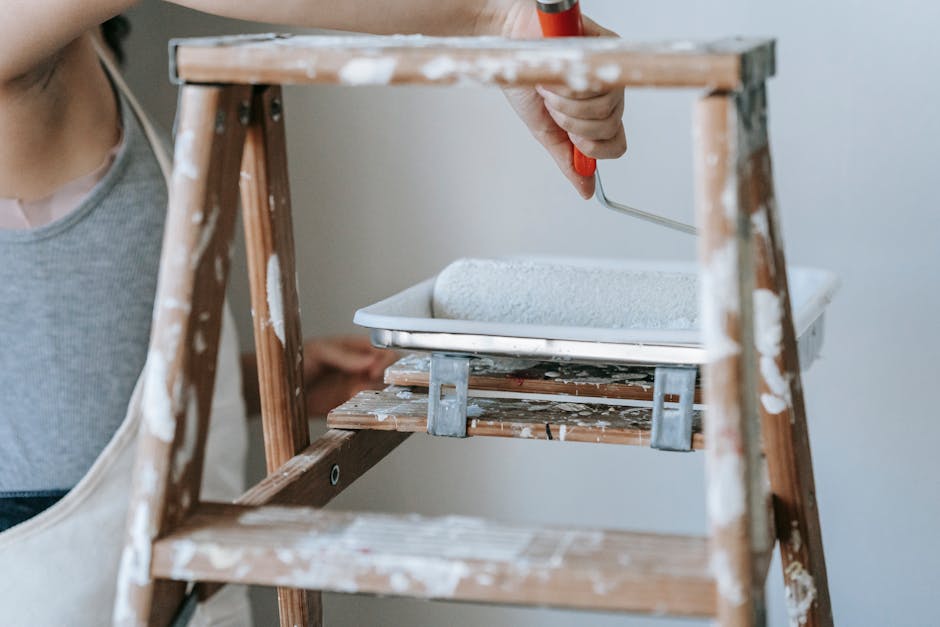
Sometimes simply rethinking a space can yield the most satisfying changes. Open floor plans have become popular for a reason; they promote a sense of flow and space in your home. I’ve seen excellent results from small modifications, like removing a non-structural wall or changing furniture placement to enhance functionality. It’s less expensive than you might think, especially when compared to major renovations.
Before committing to physical alterations, sketch out your ideas or use design software to visualize changes and avoid costly mistakes later on.
Making the Most of These Renovation Tips
Focus on energy-efficient upgrades if you want to lower future utility bills, and consider cosmetic changes if you’re aiming for immediate lifestyle improvements. Homeowners seeking long-term benefits should prioritize functionality in their renovations, while those looking for quick aesthetic boosts might find that fresh paint or landscaping suffices. For more insights, check out the best home renovation tips from 2025.
Worth reading alongside this: most effective home.
Frequently Asked Questions
What is the best way to start a home renovation?
The best way to start a home renovation is to create a detailed plan that outlines your goals, budget, and timeline. It’s also essential to prioritize the renovations based on necessity and potential impact on your home’s value.
How can I renovate my home on a budget?
To renovate your home on a budget, consider focusing on cosmetic updates that give a big impact, such as painting, landscaping, and minor repairs. Additionally, sourcing materials from discount stores or repurposing existing items can significantly reduce costs.
What should I avoid in a home renovation?
During a home renovation, you should avoid over-customizing spaces that could deter future buyers and steer clear of expensive materials that don’t add value. It’s also wise to avoid DIY projects that are beyond your skill level, as they can lead to costly mistakes.
Can I live in my house during renovation?
Yes, you can live in your house during renovation, but it largely depends on the scope of the work being done. If renovations are confined to specific areas, ensure there is a comfortable, functional space for you to stay in during the process.
How do I make my home more energy efficient?
To make your home more energy efficient, start by sealing windows and doors to prevent drafts and adding insulation in attics and walls. Additionally, consider upgrading to energy-efficient appliances and installing a programmable thermostat to reduce energy consumption.





Leave a Reply