

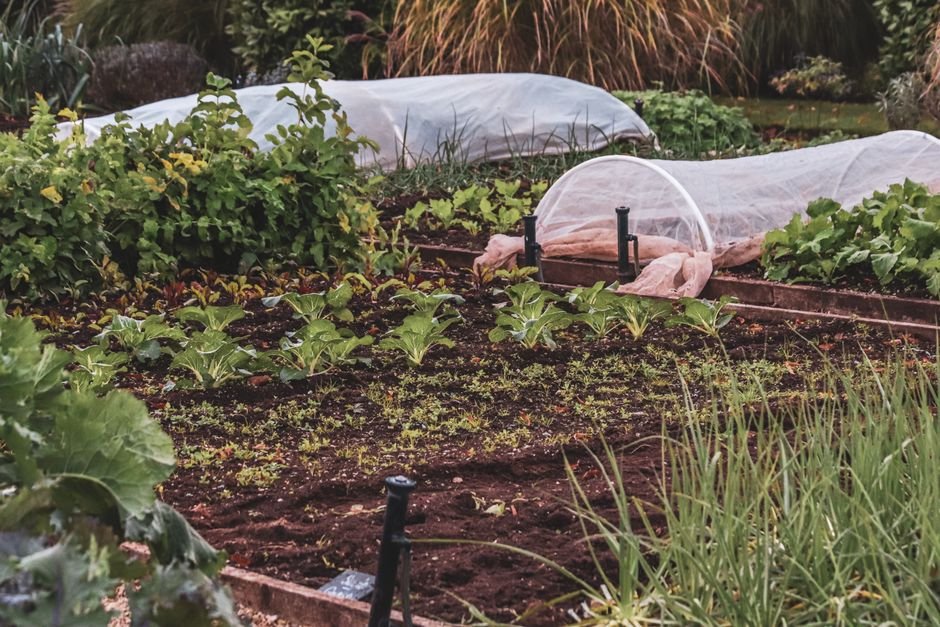
Investing in a raised garden bed can cost anywhere from $100 to $500 depending on materials and size. This choice can directly impact the health of your plants and the efficiency of your gardening efforts. I've tested various options and found critical elements that define a successful shopping decision.
This guide will walk you through essential factors to consider when selecting raised garden bedsensuring you make an informed choice that aligns with your gardening goals. I’ll cover everything, from materials to practical sizes, to help you select the option that suits your needs best.
Who Should Consider Raised Garden Beds?
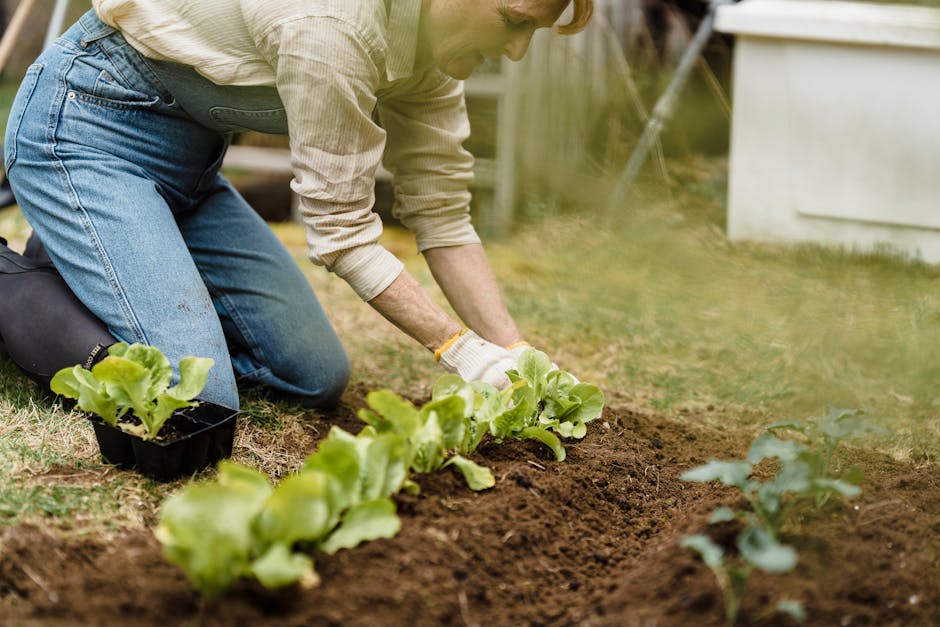
If you’re short on garden space or simply want to streamline your planting process, raised garden beds can be a game changer. These elevated planters not only provide better drainage but also help you grow vegetables and flowers more easily. For new gardeners, the clarity and organization a raised bed offers can make the whole experience feel less daunting.
Perhaps you struggle with pests in your traditional garden, or your soil is poor. Raised beds elevate your plants above ground level, minimizing issues with weeds and providing better soil conditions. If you’re older or have physical limitations, the convenience of raised beds means less bending, making gardening more enjoyable.
What you should keep in mind is that raised garden beds aren’t universally needed. If you have rich and accessible ground soil and plenty of garden space, you might prefer traditional gardening methods. Ultimately, assess your landscape, gardening experience, and personal needs before diving into raised beds.
How to Optimize Your Garden Space
Space optimization is essential when planning your garden. Raised beds come in various shapes and sizes, allowing you to maximize every inch of garden area. A standard size for many is 4 feet by 4 feet or 4 feet by 8 feet, which offers ample space without making you stretch too far.
Consider the layout of your yard. If you have narrow areas or paths, opting for longer, narrower beds, like 2 feet by 6 feet, may work better than standard squares. Always think ahead about the ease of access. You don’t want a beautiful garden that you can’t reach easily!
Another key factor is the height of the raised bed. A typical height ranges from 12 to 36 inches. Taller beds are great for deep-rooted crops or when planting in nutrient-poor soil; shorter beds are easier to maintain. If you have back issues, the higher beds may be preferable, but remember: you’ll also need more soil to fill them.
Choosing the Right Material
Selecting the right material for your raised garden bed is crucial for longevity and functionality. Here’s a quick rundown of the most common materials:
- Wood: Wooden garden bedstypically made from cedar or redwood, are popular due to their natural properties. Cedar is naturally resistant to pests and rot, making it preferable for many gardeners. However, untreated wood may not last as long.
- Metal: Metal raised bedslike those made of galvanized steel, can provide a modern look. They last longer than wood and can resist rot and decay. Just ensure they don’t overheat your soil, especially in hotter climates.
- Composite: This material combines wood fibers with recycled plastic. It won’t warp, crack, or splinter, though it can be more expensive than traditional wood options.
- Concrete: For a permanent solution, concrete blocks can create sturdy raised beds. However, they require a bit more planning and effort upfront.
One of the biggest pitfalls many budding gardeners face is skimping on material quality. Choose wisely; the initial investment will pay off in the long term. Opting for treated wood can often lead to complications with chemical leaching, which can poison your plants.
The Cost Factors
Price variations for raised garden beds can be significant, and understanding the cost factors will help you budget better. On the low end, simple wooden models might start around $50 to $100. Larger or more complex designs can run anywhere from $200 to over $500.
When assessing your budget, consider both the upfront costs and the long-term investment. Cheaper beds made from untreated wood will need replacing sooner. Metal beds may have higher initial costs, but their durability can make them a more frugal option over time.
Don’t forget to factor in the soil and any necessary amendments. A standard 4×4 wooden bed requires about 1 cubic yard of soil, and depending on the soil quality, you may spend an additional $50 to $150. Using specialty organic soil can up that cost even further.
It’s easy to focus solely on the bed’s price and overlook these critical extras, but they can significantly impact your total expenditure.
What to Avoid in Your Purchase
Like any purchasing journey, there are some traps to steer clear of when selecting raised garden beds. A common mistake is choosing a bed solely based on aesthetics rather than functionality. While it’s great to have something that looks attractive in your yard, remember that function should take precedence.
Another issue is selecting beds without proper drainage. Ensure any raised bed design allows excess water to escape; stagnant water can lead to root rot. Also, be cautious of pre-made kits that come with low-quality materials; sometimes, they appear attractive but won’t hold up over time.
Be mindful of size too. Opting for too large a bed can lead to maintenance difficulties; frequent weeding and harvesting become a chore. It’s easy to get excited about growing everything but plan realistically based on your available time and gardening experience.
Your Ideal Garden Awaits
For durability, you can't go wrong with a metal or composite raised garden bed, especially if you want something that will last for many years. If you prefer an organic look and are okay with replacing wooden beds every few seasons, go for cedar. Assess your budget and aesthetic preferences, and you'll pick the right bed for your gardening goals. You can check out a great buying guide for raised garden beds for further insights.
See also our take on tools do.
Frequently Asked Questions
What materials are best for raised garden beds?
The best materials for raised garden beds include untreated wood, cedar, composite materials, and concrete blocks. Each material has its benefits, such as decay resistance in cedar or durability in concrete.
Can you use untreated wood for raised garden beds?
Yes, you can use untreated wood for raised garden beds, but it may not last as long as treated options. Untreated wood can be a safer choice if you're concerned about chemicals leaching into the soil.
How deep should a raised garden bed be?
A raised garden bed should typically be at least 12 inches deep to accommodate root growth, but 18 to 24 inches is preferable for larger plants. Deeper beds can hold more soil, which retains moisture and provides better drainage.
Is it cheaper to buy or build a raised garden bed?
Building a raised garden bed is usually cheaper than buying a pre-made one, especially if you use affordable materials like pallet wood. However, the final cost will depend on your material choices and the bed's dimensions.
Why use raised garden beds instead of ground planting?
Raised garden beds enhance drainage and soil quality, allowing for better root growth compared to ground planting. They also reduce soil compaction, keep pests away, and create easier gardening access.



Leave a Reply