

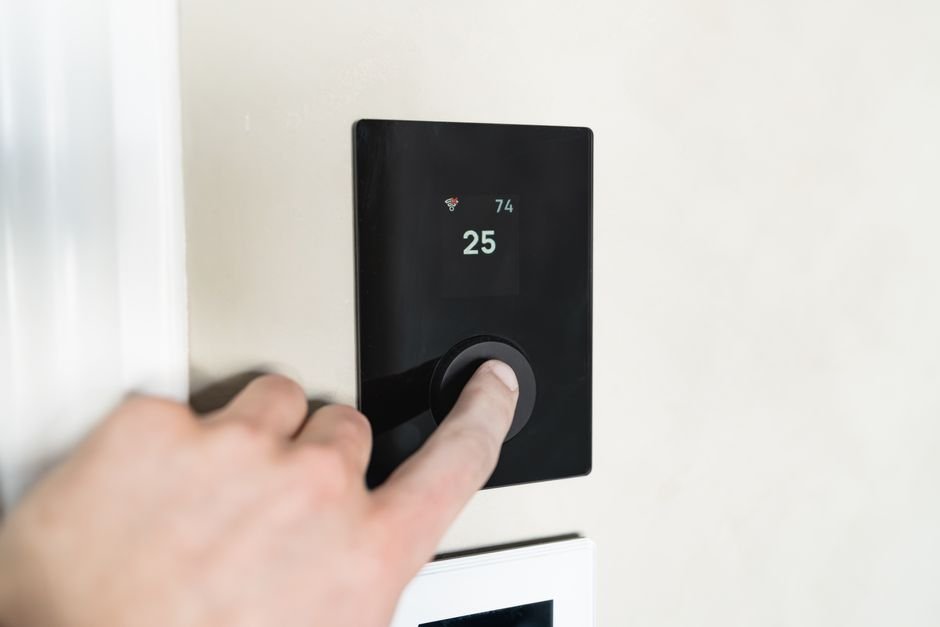
A smart thermostat can trim your heating and cooling expenses by 10% to 30% annually. I was initially doubtful about how such a device could lead to energy savings without disrupting my daily habits. However, its advanced features provide efficient temperature management that’s surprisingly effective.
With advancements in smart home technology, these devices offer more than just convenience. They respond to your habits, preferences, and even local weather conditions, allowing you to save energy automatically. If you haven’t made the switch yet, you might be missing out on substantial savings.

How Adaptive Scheduling Works
One of the main ways a smart thermostat saves energy is through adaptive scheduling. Unlike traditional programmable thermostats, which require manual programming, smart thermostats learn your schedule and adjust their settings to optimize energy use automatically.
For instance, if you typically leave for work at 8 AM and return at 6 PM, your smart thermostat will lower the heating or cooling while you’re gone and resume comfortable temperatures shortly before you return.
This feature means you’re not wasting energy heating or cooling an empty house. In fact, the U.S. Department of Energy recommends setting back your thermostat 10 to 15 degrees for eight hours a day to save 5% to 15% on your heating bill. With a smart thermostat, it’s no longer a chore to remember to adjust temperatures, as it manages everything for you.
The more consistently you allow it to manage your home’s heating and cooling, the better the energy savings.
Geofencing for Energy Savings
Another fantastic feature is geofencing, which utilizes your smartphone’s GPS to track your location. When you leave a defined perimeter around your home, the thermostat will automatically adjust its settings to save energy. For instance, if I’m heading out for the weekend, the thermostat knows I’m not home and can switch to an energy-saving mode without me having to touch any buttons.
This automation cuts unnecessary heating or cooling costs further, as it can also sense when you’re on your way back. By knowing when you approach home, it can pre-heat or cool your house to your preferred temperature before you walk in. Many users report noticeable reductions in energy bills once they integrate geofencing features.

Real-Time Energy Monitoring
Smart thermostats come with energy usage reports that display real-time data on your consumption patterns. By reviewing these reports, it’s easier to identify energy peaks, peak hours and make adjustments. These insights can also reveal what times you’re using the most energy, allowing you to adapt your habits. For instance, I discovered late-night cooling was driving up my bill unnecessarily.
With this knowledge, I adjusted the thermostat schedule accordingly, helping me save even more.
Some devices even allow you to compare your usage against similar households, providing motivation to improve your energy efficiency. Being aware of your energy consumption makes it easier to cut back without sacrificing comfort.
Integration with Other Smart Home Devices
Smart thermostats seamlessly integrate with other smart home devices, creating a comprehensive energy-saving system. For example, connecting your thermostat to smart lights can ensure these devices turn off or dim when you’re not home, further lowering energy usage. Some models offer compatibility with smart blinds or shades that can block sunlight during peak hours, minimizing the need for air conditioning during hot days.
This interconnectedness not only enhances convenience but also amplifies your overall energy savings. If you’re exploring energy-saving upgrades, don’t overlook these integrations. They can turn your home into an efficient energy powerhouse.
The Hidden Costs of Not Upgrading
Many people underestimate the long-term costs of not upgrading to a smart thermostat. Traditional models often lack energy-saving features, leading to unnecessary expenses.
You might think you’re saving money by sticking with an older model, but consider this: if you consistently spend 20% more on your energy bills because your thermostat isn’t optimizing your heating and cooling, you could easily justify a one-time investment in a smart thermostat.
A smart thermostat typically costs between $100 to $300. If you run the numbers, even modest savings from energy bills can pay for your new device within a year. The hidden costs of inefficiency add up quickly, especially when considering longevity and performance over time.
The Verdict: Why Upgrade Now
Upgrading to a smart thermostat is a smart choice for anyone looking to save on energy bills while enjoying enhanced home convenience. The adaptability, energy monitoring, and seamless integration with other smart devices make these tools an essential addition to any home. If you’re hesitant about the initial investment, consider this: the potential for energy savings is too significant to ignore.
I’d recommend taking the plunge, especially when you can gauge your energy use more effectively.
For more ideas on enhancing your home’s energy efficiency, check out my article on simple tech upgrades that can help you further cut costs. It’s well worth the investment in the long run.
Related reading: smart storage.
Frequently Asked Questions
How do smart thermostats save energy?
Smart thermostats save energy by learning your heating and cooling preferences and adjusting the temperature accordingly. They can create schedules based on your daily routine and utilize sensors to optimize energy use when you are home or away.
Why does a smart thermostat help reduce costs?
A smart thermostat helps reduce costs by minimizing energy waste by efficiently regulating temperature settings. Additionally, they provide insights and reminders to encourage energy-saving behaviors.
Can a smart thermostat lower my energy bill?
Yes, a smart thermostat can lower your energy bill by maintaining optimal temperatures and avoiding unnecessary heating or cooling when you are not home. Many users see significant reductions in their monthly energy expenditures after installation.
What are the energy-saving features of a smart thermostat?
Energy-saving features of a smart thermostat typically include adaptive scheduling, remote access via smartphone apps, geofencing capabilities, and energy usage reports. These features help ensure the system operates only when needed and allows users to adjust settings remotely.
Is installing a smart thermostat worth it for energy savings?
Installing a smart thermostat is often worth it for energy savings, especially for those looking to reduce their utility bills and increase home efficiency. The initial investment is frequently offset by lower energy costs and potential rebates from utility companies.
To understand how does a smart thermostat save energy, consider the insights provided by various resources that explain the benefits comprehensively.




Leave a Reply