

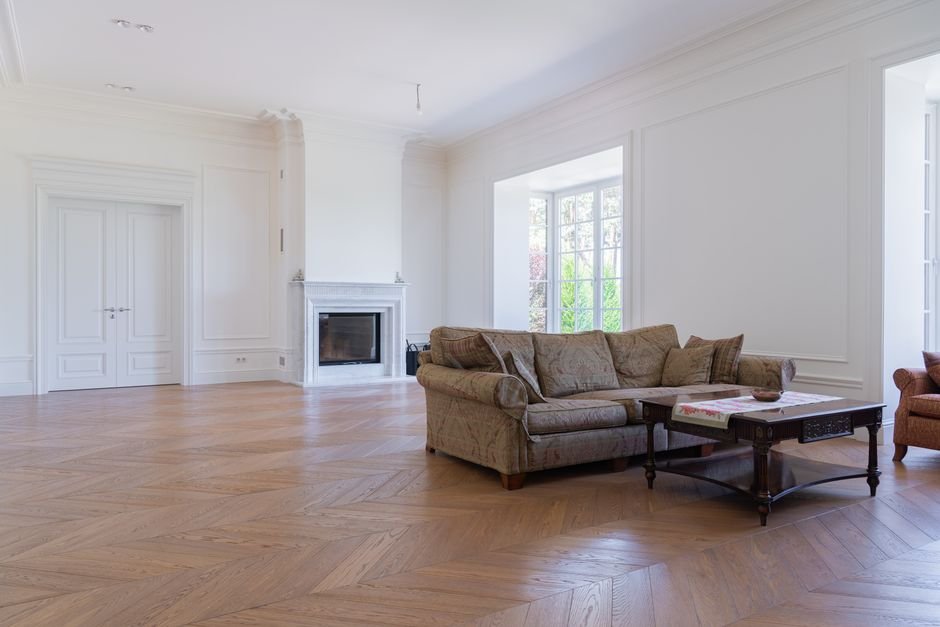
Homeowners often make the mistake of overlooking practical aspects in favor of appearance when choosing flooring. A stunning laminate may catch your eye, but factors like durability, maintenance, and budget should weigh heavily in your decision. The right flooring should elevate your home while meeting your daily needs and financial constraints.
Choosing the right flooring for your home can feel overwhelming given the multitude of options, laminate, hardwood, tile materials, and more. Here’s what I’ve learned through research and personal experience to help you navigate this often confusing process without the stress.
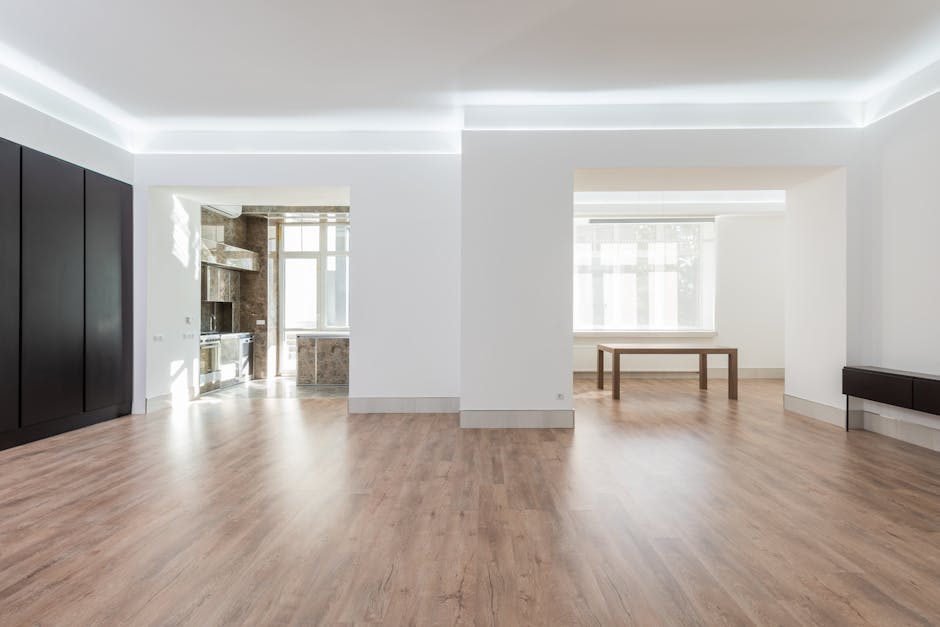
Identify Your Needs Before Shopping
Before you explore your options, take a moment to assess your specific needs. Start by asking yourself key questions: What is the primary purpose of the room? Will the area see heavy foot traffic or is it a quieter space like a bedroom?
For high-traffic areas, you may want to consider more durable options, such as tile or laminate flooringwhich can withstand wear and tear. On the other hand, plush carpets can add comfort to low-traffic rooms.
Consider your household too. If you have pets or young children, durability and ease of cleaning become even more essential. Whereas if you’re focusing on areas that will host adult gatherings, aesthetics might take precedence. Be realistic about what you need now as well as in the future, especially if you plan on living in the space long-term.
Flooring Material Types
Familiarizing yourself with various flooring types is essential. Each material has its own pros and cons, impacting your decision. For example:
- Laminate Flooring: Affordable and available in various styles, laminate is easy to install and resistant to scratches, which makes it a popular choice for busy families.
- Hardwood Floors: Known for their beauty and value, hardwood offers a classic touch, but they can be costly and require more maintenance to keep them looking pristine.
- Tile Materials: Tiles are versatile and water-resistant, making them ideal for kitchens and bathrooms. They’re also long-lasting, although installation can be more involved.
Each flooring type suits different tastes and functionalities. For instance, in kitchens, tile is often the better choice for its moisture resistance over hardwood. Understanding these basics helps eliminate options that won’t suit your needs right from the start.

Factors to Consider When Choosing Flooring
After narrowing down your preferred materials, consider factors like maintenance, installation costs, and comfort. Installation can vary significantly; some types like laminate can be installed by yourself, saving you on labor costs. Other options, such as hardwood, may require a professional to ensure the job is done correctly, which can add to your overall budget.
Maintenance also plays a crucial role. For example, while hardwood flooring might add elegance, it might not be the best fit if regular upkeep isn’t feasible. On the other hand, laminate and tile flooring require less maintenance, making them ideal for busy households.
Cost Versus Long-Term Investment
It’s vital to balance your initial costs with long-term investment value. Opting for cheaper flooring may save money upfront but can cost more in repairs or replacements down the line. For instance, while laminate can be less expensive, it may not last as long as hardwood, which can endure for decades with proper care.
When budgeting, consider the overall lifespan of the flooring in addition to the initial purchase and installation costs.
I suggest reviewing your total budget, factoring in both installation and future maintenance costs. If you’re also dealing with other home projects, like renovations or interior painting, check out my detailed guide on paint brands for home renovation.
Test Samples and Visualize
Once you’ve narrowed down your choices, it’s time to get hands-on. Pick up samples from your local home improvement store. See how the material looks in your space at different times of the day and under different lighting. This step is crucial because the way a floor looks in-store can differ vastly from how it appears in your home.
If possible, visualize the flooring in your own space using digital tools or apps that allow you to mock up various flooring options. What works in theory may not always translate well in practice.
The Final Decision: What to Choose
For a balance of beauty and practicality, hardwood flooring is a great choice for living areas, while laminate can serve well in high-traffic homes due to its affordability and low maintenance. Tile remains the best option for bathrooms, as it easily withstands moisture and is simple to clean.
Frequently Asked Questions
What type of flooring is most durable?
The most durable flooring options include hardwood, tile, and luxury vinyl. Tile is particularly resilient against moisture and scratches, while hardwood can last for decades if properly maintained.
How does climate affect flooring choice?
Climate plays a significant role in flooring choice; for instance, in humid areas, moisture-resistant materials like tile or vinyl are preferable. In colder climates, insulated carpets can provide warmth, while hardwood may expand and contract with temperature fluctuations.
Can you have different flooring in your house?
Yes, you can have different types of flooring in various areas of your home to suit specific needs and aesthetics. This approach allows you to enhance functionality, such as using tile in bathrooms and hardwood or carpet in living areas.
What is the easiest flooring to maintain?
Luxury vinyl and laminate flooring are among the easiest to maintain due to their resistance to stains and spills, requiring only regular sweeping and occasional mopping. Additionally, tile flooring is also low-maintenance and easy to clean, especially in high-traffic areas.
How do I choose flooring for a small space?
When choosing flooring for a small space, opt for lighter colors and larger tiles or planks to create an illusion of openness. Additionally, consider using the same flooring throughout to provide a seamless look, which can make the area feel larger.





Leave a Reply