

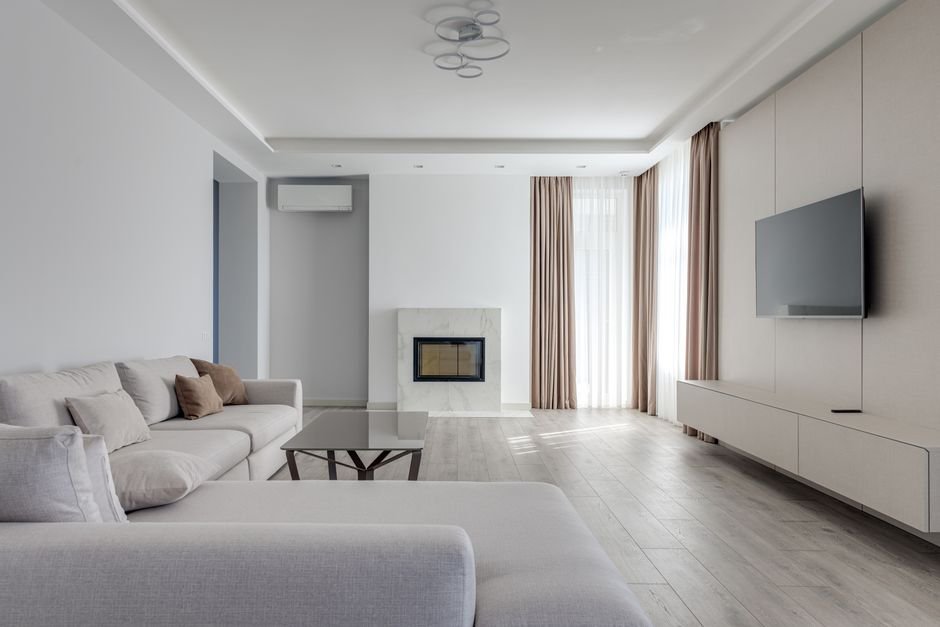
75% of homeowners overcrowd their living rooms with unnecessary furniture and decor. Focus on the essentials and choose neutral palettes to truly embrace a minimalist aesthetic. Prioritize high-quality pieces that enhance the space without overwhelming it.
A true minimalist living room prioritizes space and light, allowing you to breathe and feel relaxed. Here’s how to create a minimalist living room that feels open and inviting rather than cluttered.

Focus on Functional Furniture
Choosing multifunctional furniture is crucial. I recommend items that serve more than one purpose. For example, a sleek coffee table that doubles as a storage unit helps reduce clutter. Consider a sofa bed if you need additional sleeping space but don’t want a guest room taking up precious square footage.
Opt for furniture with clean lines and simple shapes. Pieces that have straightforward silhouettes contribute to an uncluttered look. You might think a bulky armchair would add character, but it often just eats up valuable space.
Choose a Neutral Color Palette
While splashes of color can be energizing, a neutral color palette is essential for a minimalist living room. Shades of white, gray, and beige promote tranquility and blend seamlessly with varied decor. If you want a bit of vibrancy, consider adding one or two accent pieces in muted tones.
Painting the walls in soft, light colors not only creates a feeling of spaciousness but also reflects natural light effectively. Dark colors can make a room feel smaller and more claustrophobic. Remember, a successful minimalist design allows the space to breathe.
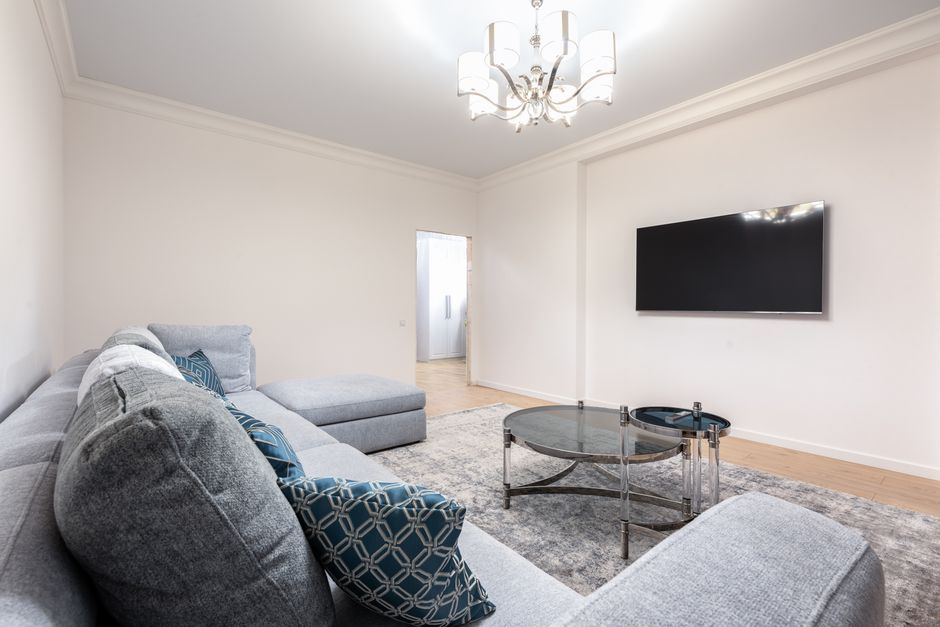
Embrace Open Space and Natural Light
When thinking about how to create a minimalist living room, prioritize an open layout that allows natural light to flow. This means avoiding too many heavy curtains or large furniture pieces that obstruct light. Consider sheer window treatments to maintain privacy while still letting that essential daylight in.
Open shelves can replace bulky cabinets, showcasing a few select items without overwhelming the senses. This minimalist approach encourages you to curate your display, choosing only the pieces that bring you joy or speak to your personal style rather than cluttering surfaces. The result is an airy, welcoming atmosphere.
Declutter Strategically
One of the biggest challenges in achieving a minimalist living room is learning to let go of unnecessary items. I recommend starting by assessing every piece of furniture and decor you currently have. Keep only what you use and love. Aim for a space that offers the essentials, seating, a coffee table, and perhaps a cozy chair.
Use storage bins that match your decor to keep items hidden but accessible, like blankets or books. This method allows you to maintain an organized environment while reducing visual clutter. Though it is tempting to hang a lot of wall art, select only a few pieces that resonate with you to keep the space feeling open.
Create a Focal Point
Your minimalist living room should have a clear focal point; a striking piece of art, a stylish light fixture, or even a fireplace can pull the room together. Decide on what you want this centerpiece to be, and let everything else support that theme. Ensure that the surrounding decor enhances rather than competes with the focal point.
Using a singular piece as the star of the show creates coherence in the space. It also allows your room to feel less cluttered, as attention naturally directs toward the focal piece instead of the surrounding minimal decor.
Invest in Quality Over Quantity
Invest in a mid-century modern sofa if you want a timeless look that complements various styles. For those on a budget, consider second-hand solid wood furniture that offers durability without breaking the bank. Each option caters to different tastes while ensuring lasting value.
Frequently Asked Questions
What defines a minimalist living room?
A minimalist living room is characterized by its simplicity, functionality, and a curated selection of decor that emphasizes open space. It typically features a neutral color palette, clean lines, and an uncluttered appearance.
How can I make my living room look more minimalist?
To achieve a more minimalist look, start by decluttering and removing any unnecessary items that do not serve a purpose. Focus on using a limited color scheme and opt for furniture and decor that are streamlined and functional.
What furniture works best in a minimalist living room?
Ideal furniture for a minimalist living room includes pieces with simple, geometric designs and natural materials such as wood, glass, or metal. Multifunctional furniture, like a coffee table that doubles as storage, is also beneficial in conserving space.
Why is natural light important in minimalist design?
Natural light is crucial in minimalist design as it highlights the simplicity and openness of the space while creating an inviting atmosphere. It enhances the aesthetic appeal by casting soft shadows and emphasizing clean lines and textures.
Can a minimalist living room be cozy?
Yes, a minimalist living room can be cozy by incorporating soft textures, warm materials, and inviting colors. Adding elements like comfortable cushions, a textured throw blanket, or a well-placed rug can create a warm, welcoming environment.
For more tips on how to create a minimalist living room, you can check out an article on how to create a minimalist living room.



Leave a Reply