

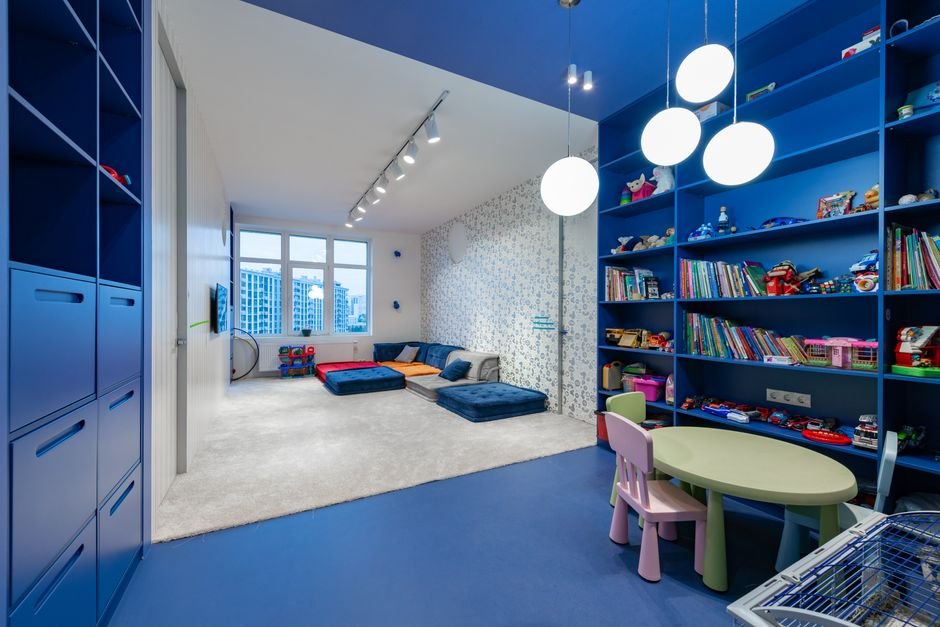
Toy clutter can quickly overrun a living room, often leading to frustration for parents. By implementing a few strategic organization techniques, you can reclaim space and maintain a welcoming environment for both adults and children. Here are seven practical methods to help streamline toy storage effectively.
Depending on your space, family needs, and style, some solutions might resonate more than others. I encourage you to explore them all to find what works best for your home and lifestyle.
1. Creative Storage Solutions for Toys
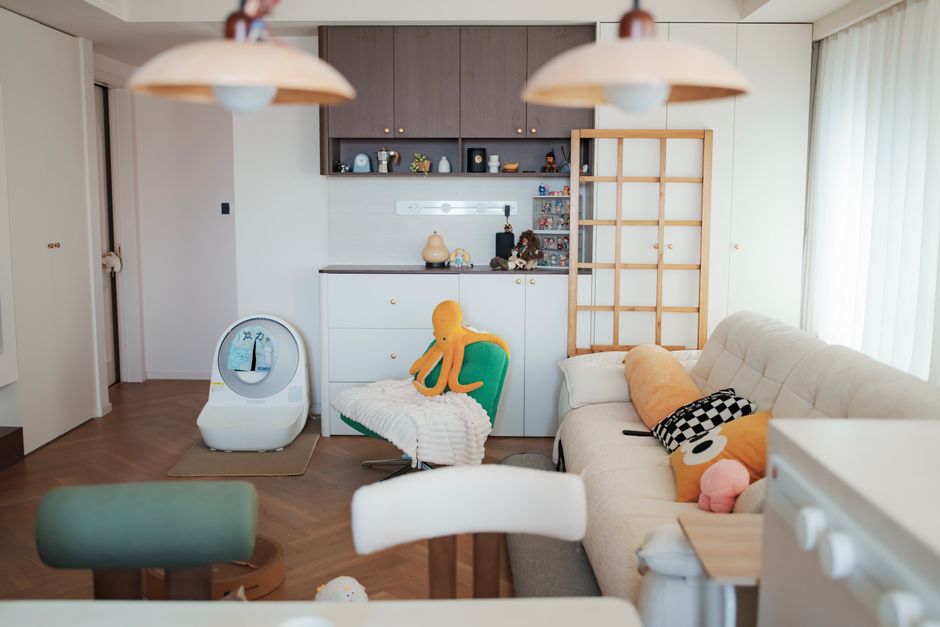
Clear bins, baskets, and boxes can transform your living room from chaotic to organized. I prefer transparent storage options, as you can quickly see what’s inside without opening them. For a touch of style, consider baskets made from natural materials like wicker or jute, which add texture while being functional. Look for ones that fit under coffee tables or on shelves.
A practical tip is to label the bins according to toy type or child. This helps kids know where things belong, promoting independent tidying.
2. Rotating Toys
Rather than having every toy always accessible, rotate them out. This keeps the living room less cluttered and provides a fresh take for your kids. By regularly swapping toys, you can reignite interest in those that have previously been tucked away. It’s like bringing home new toys without spending a dime.
Scheduling a toy rotation every few weeks makes it easier and can even be a fun task when done together with your kids.
3. Fun and Functional Toy Shelves
Installing wall shelves designed for toy storage can elevate your space both literally and figuratively. These shelves can display toys stylistically instead of throwing them into hiding. I have found open shelves to be particularly effective because they demonstrate that toys can be artful rather than just functional objects.
To prevent overload, aim for a clean look by displaying only a few toys and utilizing baskets for the rest. Less is often more in making space feel less cluttered.
4. Baskets Under Furniture
Utilizing the space beneath furniture is a clever way to incorporate toy storage without sacrificing aesthetics. Large, decorative baskets can fit under side tables, couches, or even in odd corners where toys can be stashed out of sight. This idea is excellent for keeping the overall look neat while still allowing quick access to toys during playtime.
Ensure these baskets are lightweight and easy to pull out, making them accessible for children when they want to play. It’s a win-win for looks and functionality.
5. Multi-Purpose Furniture
Investing in multi-purpose furniture can be a game changer when organizing toys. Coffee tables with built-in storage or ottomans that double as seating and storage are practical solutions for maximizing space. This way, furniture serves a dual purpose, keeping chaos at bay.
Just ensure any storage furniture you select is kid-friendly, approachable, and safe for little ones. You wouldn’t want to put your stylish coffee table at risk of becoming a climbing frame!
6. Creating a Dedicated Play Zone
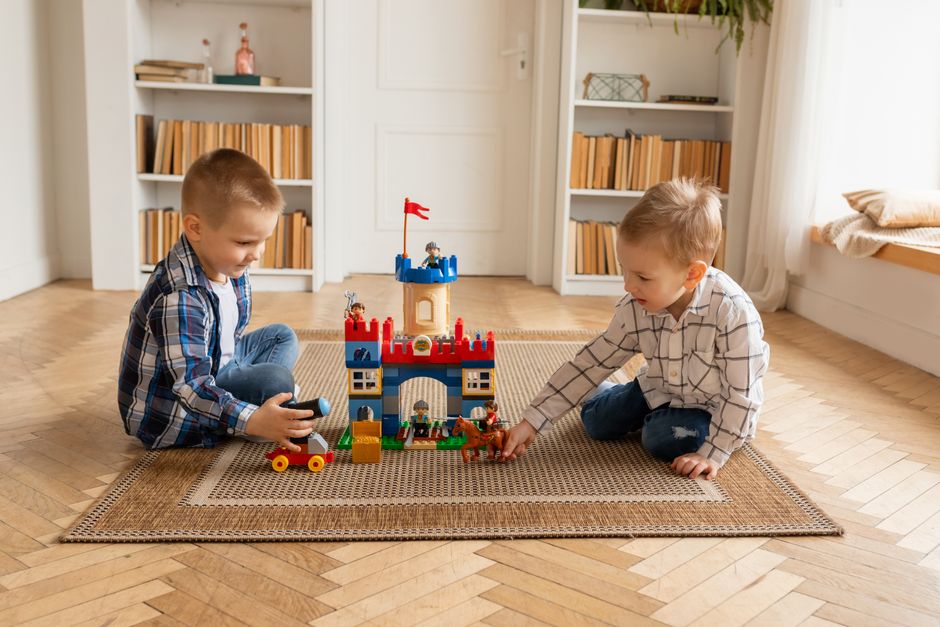
Designating a specific area within the living room for play can help contain the toy chaos. By setting up a small rug or mat with a toy station, you create an environment where toys belong, reducing the likelihood they’ll spill over into other areas. This not only maintains order but also gives kids a place that feels special.
Use this space as a way to teach children about boundaries regarding their toys. You can even include a small table for crafts to keep mess contained.
7. Maximize Vertical Space
Utilizing vertical space can be a game changer for toy storage. Tall bookshelves or wall-mounted racks can provide spots for toys that would otherwise clutter surfaces. Hang hooks or pegboards for art supplies and smaller toys, creating a fun display that instills pride in keeping things tidy.
When choosing shelving, consider how high you mount them. Shelves should be within easy reach for children to encourage access and responsibility for their belongings.
How to Choose
For most families, open bins and shelving units are the best option since they allow children easy access to their toys. On the other hand, if you prefer a cleaner look, consider closed storage solutions like cabinets. Assess your space and select the method that aligns best with your family's lifestyle.
Frequently Asked Questions
How can I keep my living room toy-free?
To keep your living room toy-free, establish a designated play area in another room where children can use their toys, and encourage them to return items after play. Regularly declutter by sorting through toys and removing any that are broken or no longer played with.
What are creative ways to organize toys?
Creative ways to organize toys include using decorative baskets, multi-tiered shelving, or under-the-sofa storage bins that blend with your decor. You can also incorporate hooks for items like dress-up clothes or utilize clear containers for visibility while maintaining an aesthetic appeal.
Can you store toys in a living room stylishly?
Yes, you can store toys in a living room stylishly by selecting furniture that doubles as storage, such as ottomans or coffee tables with hidden compartments. Choose colorful but coordinated storage bins that fit your living room color scheme, enabling both functionality and style.
Why is toy organization important?
Toy organization is important because it helps create a tidy space, promotes easier clean-up, and teaches children responsibility for their belongings. Additionally, an organized toy area can enhance playtime, allowing for a more enjoyable and less stressful experience for both kids and parents.
How to maintain a toy organization system?
To maintain a toy organization system, establish a routine for decluttering and involve your kids in the process to teach them about responsibility. Regularly reassess toy storage and organization methods to adapt to your child's changing interests and to keep the space functional.




Leave a Reply