

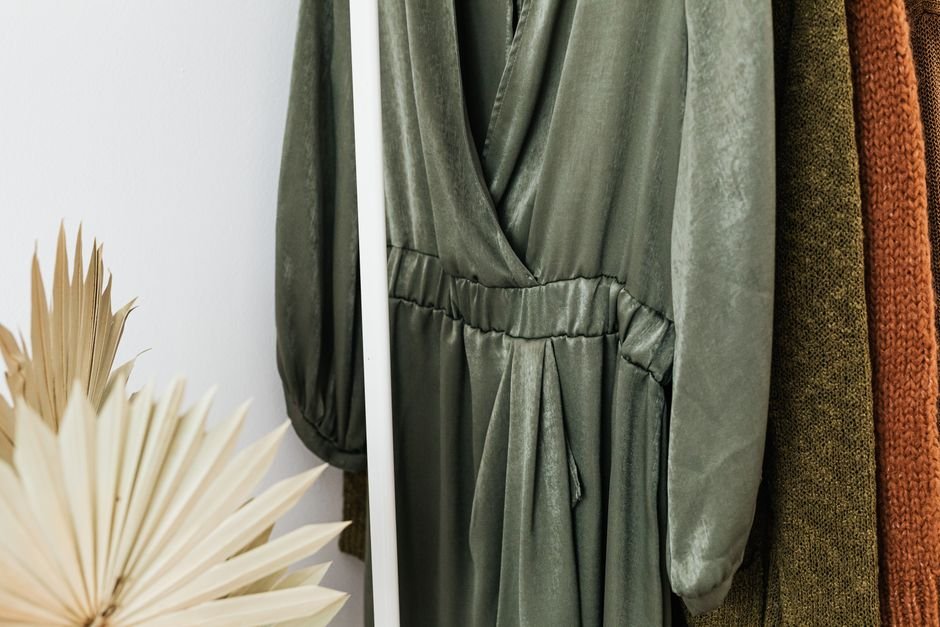
Around 30% of clothing is worn seasonally, making proper storage crucial to maintain quality and longevity. Storing seasonal clothing correctly prevents damage and ensures your favorite pieces are ready for wear when the weather changes.
When it comes down to it, choosing the right storage methods is the first step in success. Your choices here impact everything from wrinkles to fabric deterioration, so it’s important to be informed. I favor vacuum storage bags for their space-saving abilities and protection against moisture, dust, and pests. They compress your items, allowing for neat storage without bulk.
However, prepare for the fact that not all fabrics appreciate the compression; delicate materials might fare better in breathable garment bags.

Choosing the Right Storage Methods
Your options for storing seasonal clothing typically include airtight plastic binsvacuum storage bags, or garment bags. Airtight bins are great for protecting against humidity and pests, but they can take up significant space. On the other hand, vacuum bags help you save space but can sometimes trap moisture if not sealed properly.
I’ve found that a mix of both can work wonders, depending on the type of clothing.
For heavier items, like winter coats or bulky sweaters, I prefer vacuum storage bags. They keep the items compact while protecting them from stains and odors. Just remember the golden rule: always ensure that clothing is clean and completely dry before sealing it up. For lightweight fabrics, like summer dresses, garment bags work perfectly. They provide enough airflow to prevent mildew while avoiding unnecessary wrinkles.
Preparing Clothes for Long-Term Storage
Before tucking your clothes away for several months, there are some essential prep steps you shouldn’t skip. First, always wash your garments. Even if they seem clean, residues from body oils or perfumes can lead to stains if stored. Generally, I wash in cold water with a gentle detergent, then ensure that everything is thoroughly dried.
Next, I recommend folding instead of hanging when it comes to storage. Hanging can cause stretch and misshaping, especially for items like sweaters. Instead, neatly fold items, placing heavier pieces on the bottom of your storage system to avoid crushing lighter-weight ones. Also, adding cedar blocks or lavender sachets can keep your clothes smelling fresh and help deter pests without harsh chemicals.

Organizing Your Seasonal Storage Space
Once you have everything cleaned and properly packed, how you organize your storage space matters. I suggest labeling your bins or bags clearly, this may seem obvious, but it saves an incredible amount of time when the season rolls around again. You’ll know exactly where your favorite items are stored without digging through every box.
If you’re using a closet for seasonal storage, consider implementing additional organization tools, like shelf dividers or hanging organizers, to maximize vertical space. This not only keeps your closet tidy but also helps prevent damage, allowing for easy visibility of your clothing options.
Common Pitfalls to Avoid
One of the biggest mistakes many people make is ignoring the fabric type when storing. For instance, wool can attract moths if not stored in a proper garment bag, while silk can be damaged in damp environments. It’s genuinely worth spending time understanding your garments and storing accordingly.
Also, avoid storing clothes in areas that experience temperature fluctuations or humidity, like attics or basements. Consistent conditions are key. Instead, choose a climate-controlled space like a closet in a temperature-stable area of your home. And finally, resist the temptation to overpack your storage solutions. Crowding garments can lead to creases and fabric damage!
Our write-up on coffee beans for optimal picks up where this leaves off.
Final Thoughts: Keep Your Clothes Safe and Ready
For long-lasting pieces, vacuum storage bags are the best choice, while delicate items benefit from breathable garment bags. Prioritize washing and drying items before storage to avoid mildew, and label your bins clearly for easy access during seasonal transitions. For more tips on how to store seasonal clothing, consider checking out expert advice.
Frequently Asked Questions
What is the best way to store seasonal clothes?
The best way to store seasonal clothes is by using clean, dry containers like plastic bins or breathable garment bags. Make sure the storage area is cool, dark, and dry to protect the fabrics.
How do you keep clothes fresh in storage?
To keep clothes fresh in storage, use cedar blocks or lavender sachets to deter moths and add a pleasant scent. Additionally, make sure to leave a small gap for air circulation to prevent mustiness.
Can vacuum bags damage clothes?
Vacuum bags can damage clothes if used improperly or if they are made from non-breathable materials, which can trap moisture. It's essential to ensure the items are clean and completely dry before using vacuum bags.
Why should clothes be cleaned before storage?
Clothes should be cleaned before storage to remove dirt, oils, and stains, which can degrade the fabric over time. Additionally, any leftover food particles can attract insects and lead to damage.
How do you organize seasonal clothing efficiently?
To organize seasonal clothing efficiently, sort items by type or frequency of use, and label containers for easy identification. You can also use clear bins to quickly see what's inside and stack them to save space.




Leave a Reply