

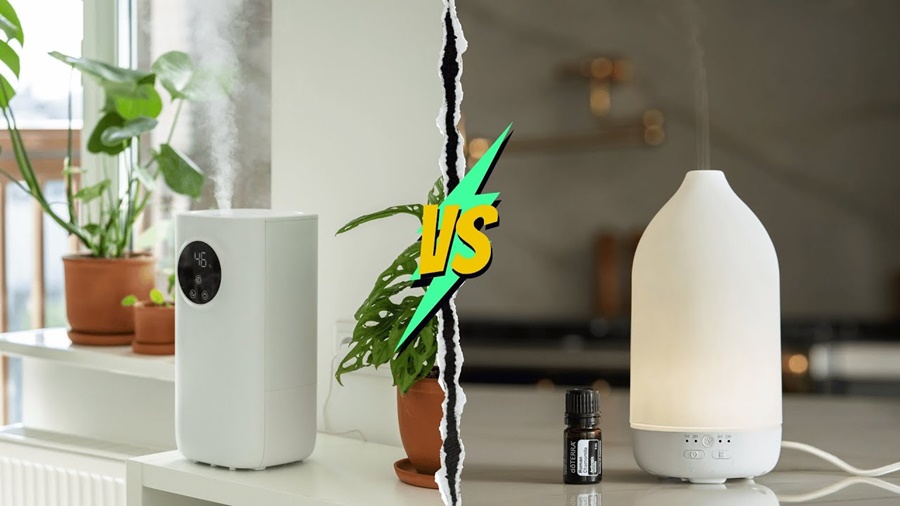
When it comes to improving indoor air quality and creating a more comfortable living space, two devices often come up: humidifiers and diffusers. While they may look similar and even produce mist, their purposes, functions, and benefits are quite different. Understanding these differences can help you choose the right device for your needs.
What Is a Humidifier?
A humidifier is a device designed to increase the moisture level in the air. It is commonly used to combat dryness in indoor environments, especially during winter or in air-conditioned spaces.
How It Works
Humidifiers release water vapor or steam into the air to raise humidity levels. Depending on the type, they may use ultrasonic vibrations, evaporation, or heating elements to produce moisture.
Types of Humidifiers
- Ultrasonic humidifiers – Use high-frequency vibrations to create a cool mist
- Evaporative humidifiers – Use a fan and wick filter to evaporate water
- Steam vaporizers – Heat water to produce steam
- Impeller humidifiers – Use rotating disks to fling water into a diffuser
Benefits of Using a Humidifier
- Relieves dry skin, lips, and eyes
- Helps with respiratory issues like congestion or sinus irritation
- Reduces static electricity
- Protects wooden furniture and musical instruments from cracking
- Can improve sleep quality in dry environments
When to Use a Humidifier
Humidifiers are ideal when indoor air is too dry, typically when humidity falls below 30%.
What Is a Diffuser?
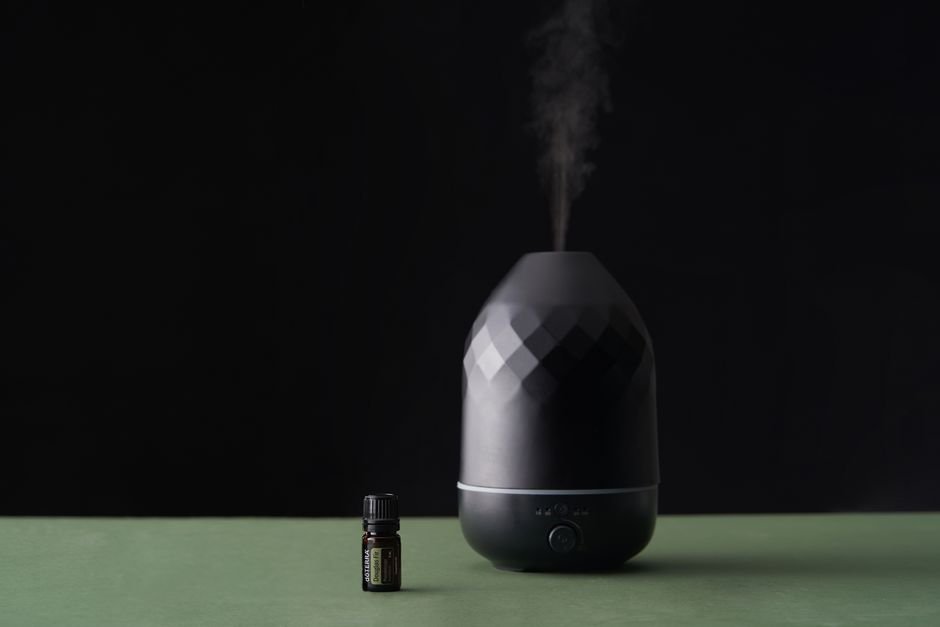
A diffuser is primarily used to disperse essential oils into the air, adding fragrance and sometimes therapeutic benefits through aromatherapy.
How It Works
Diffusers break essential oils into tiny particles and disperse them into the air, often mixed with a small amount of water.
Types of Diffusers
- Ultrasonic diffusers – Use water and vibrations to disperse a fine mist
- Nebulizing diffusers – Use pressurized air to diffuse pure essential oils
- Heat diffusers – Use heat to evaporate oils
- Evaporative diffusers – Use airflow to spread scent
Benefits of Using a Diffuser
- Enhances mood and relaxation
- Adds pleasant fragrance to a room
- Supports aromatherapy (e.g., lavender for sleep, eucalyptus for breathing)
- Can create a calming or energizing environment depending on oils used
When to Use a Diffuser
Diffusers are best used when you want to improve ambiance, reduce stress, or enjoy the therapeutic effects of essential oils.
Key Differences Between Humidifiers and Diffusers
| Feature | Humidifier | Diffuser |
|---|---|---|
| Primary Purpose | Add moisture to air | Disperse essential oils |
| Water Capacity | Large (for prolonged use) | Small |
| Mist Output | High | Low |
| Room Coverage | Large areas | Small to medium spaces |
| Use of Oils | Usually not recommended | Designed for essential oils |
| Health Focus | Physical comfort (dryness relief) | Emotional and mental well-being |
Can You Use Essential Oils in a Humidifier?
In most cases, no. Standard humidifiers are not designed to handle essential oils. Adding oils can damage the device, clog filters, or void the warranty. However, some humidifiers are labeled as “essential oil compatible” these are exceptions and should be used according to manufacturer instructions.
Which One Should You Choose?
The choice depends on your specific needs:
- Choose a humidifier if:
You suffer from dry air, skin irritation, allergies, or respiratory discomfort. - Choose a diffuser if:
You want to enjoy aromatherapy, improve mood, or add fragrance to your space. - Consider both if:
You want balanced humidity and the benefits of essential oils—just use them separately for best results.
Common Mistakes to Avoid
Many people assume that all humidifiers and diffusers work similarly. A common error is using essential oils in a humidifier. Most humidifiers are not designed for this purpose, which can damage the unit and create health risks. Always check the manufacturer’s instructions before adding oils.
Another mistake is failing to clean your device regularly. Both humidifiers and diffusers require routine cleaning to prevent mold and bacteria growth. Neglecting maintenance can lead to poor air quality.
Lastly, users often underestimate the importance of size and output. A small diffuser may not adequately scent a large room, while a powerful humidifier can over-humidify a small space, leading to condensation and dampness.
Cost Considerations
The cost of humidifiers and diffusers varies widely. Basic humidifiers can start around $20, while advanced models with features like humidistats and filters may reach over $200. On the other hand, diffusers typically range from $15 to $100, depending on the materials and functionalities.
When assessing overall value, consider ongoing expenses such as essential oils for diffusers and replacement filters for humidifiers. If you’re on a tight budget, a simple diffuser that uses tap water with essential oils may be more economical in the long term.
Maintenance Tips
Maintaining both humidifiers and diffusers is crucial for effective performance. For humidifiers, clean the tank every few days. Use a mixture of vinegar and water to remove mineral buildup. This practice prevents bacteria growth and keeps the unit running smoothly.
With diffusers, empty the reservoir after each use. Wipe the interiors with a soft cloth and a gentle cleaner to remove oil residues. Keep the device in a dry area to prevent mold from forming.
Who Suits Each Option
Humidifiers are ideal for individuals living in dry climates or those with respiratory issues. If you have allergies or suffer from dry skin, a humidifier can bring relief. They help restore moisture in the air, making breathing easier and skin more comfortable.
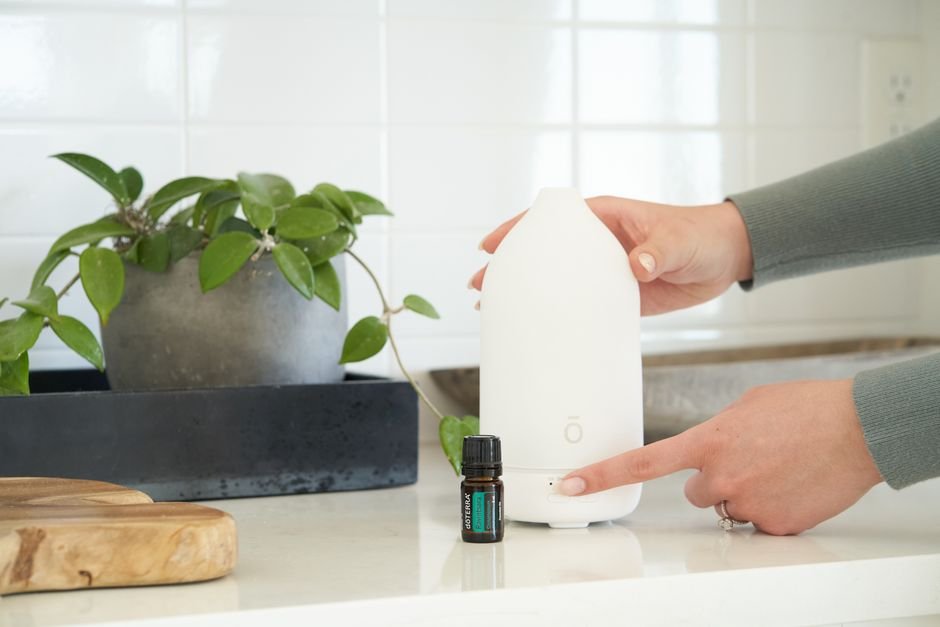
On the other hand, diffusers are perfect for those who appreciate aromatherapy. If you enjoy calming scents like lavender or invigorating smells such as citrus, a diffuser can enhance your environment. It’s great for creating a mood in a space, whether for relaxation or focus.
Conclusion
Although humidifiers and diffusers may appear similar at first glance, they serve distinct purposes. A humidifier is a practical solution for improving air moisture and physical comfort, while a diffuser is more about enhancing atmosphere and emotional well-being through scent. For more details on the differences, check out this comprehensive guide on Humidifier vs Diffuser.
Understanding how each device works ensures you make an informed decision and get the most benefit from your investment.





Leave a Reply