

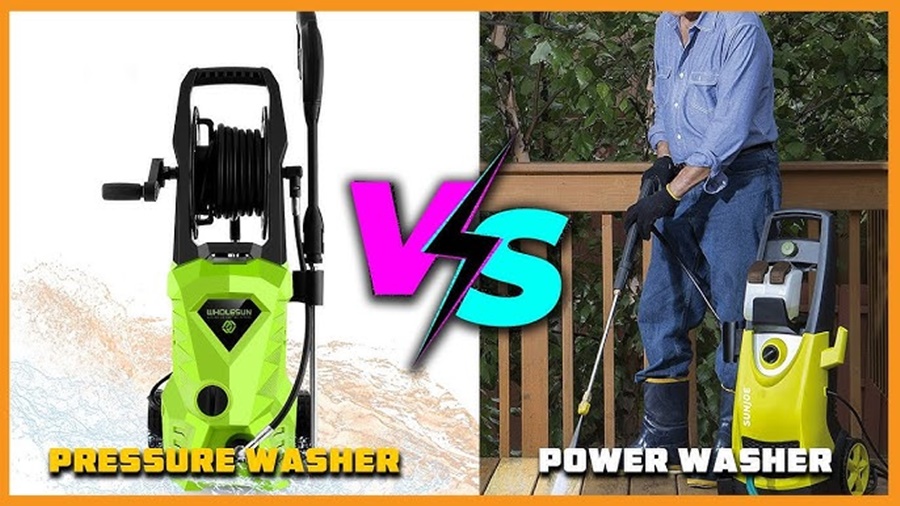
When it comes to heavy-duty outdoor cleaning, two terms are often used interchangeably: pressure washer and power washer. While they look similar and perform comparable tasks, there are important differences between the two.
If you’re planning to clean your driveway, deck, siding, or vehicle, understanding how each machine works will help you choose the right tool for the job. This guide explains the key differences, advantages, disadvantages, and best use cases for both.

What Is a Pressure Washer?
A pressure washer is a cleaning machine that uses high-pressure water to remove dirt, grime, mold, mud, and loose paint from surfaces. It operates by forcing water through a small nozzle at high speed, creating a powerful stream.
How It Works
- Water enters through a hose.
- A motor (electric or gas) powers a pump.
- The pump increases the water pressure.
- The pressurized water exits through a spray wand.
Common Uses
- Cleaning driveways and sidewalks
- Washing vehicles
- Removing mold and mildew from siding
- Cleaning fences and decks
- Patio furniture maintenance
Types of Pressure Washers
- Electric pressure washers
- Lighter and quieter
- Ideal for small residential jobs
- Lower maintenance
- Gas pressure washers
- More powerful
- Better for large areas
- More portable (no power cord required)
What Is a Power Washer?
A power washer is very similar to a pressure washer, with one key difference: it uses heated water.
How It Works
Like a pressure washer, it uses high-pressure water but it also includes a heating element that raises the water temperature before it exits the nozzle.
Why Heated Water Matters
Hot water:
- Breaks down grease and oil more effectively
- Kills mold, mildew, and bacteria
- Cleans heavily soiled surfaces faster
Common Uses
- Removing grease from driveways
- Cleaning garage floors
- Commercial equipment cleaning
- Industrial and agricultural applications
Key Differences Between Pressure Washer and Power Washer
| Feature | Pressure Washer | Power Washer |
|---|---|---|
| Water Temperature | Cold water | Hot water |
| Cleaning Power | Strong | Stronger on grease & oil |
| Cost | Lower | Higher |
| Best For | Residential use | Commercial/heavy-duty jobs |
| Maintenance | Easier | More complex |
The primary difference is heat. Everything else pressure levels, nozzles, and general function is quite similar.
Which One Cleans Better?
It depends on the type of dirt you’re dealing with.
- Mud, dust, algae, and mildew? A pressure washer works perfectly.
- Oil stains, grease, sticky residue? A power washer performs better because heat breaks down tough grime.
For most homeowners, a pressure washer is more than sufficient. Power washers are typically preferred for professional or industrial environments.
Pros and Cons
Pressure Washer Pros
More affordable
Easier to maintain
Lightweight options available
Ideal for most home projects
Pressure Washer Cons
Struggles with heavy grease
May require cleaning chemicals for tough stains
Power Washer Pros
Excellent grease and oil removal
Faster cleaning on tough stains
More effective sanitation
Power Washer Cons
Higher cost
Heavier and bulkier
More maintenance required
Pressure Levels Explained (PSI & GPM)
When comparing models, you’ll often see:
- PSI (Pounds per Square Inch): Measures water pressure strength.
- GPM (Gallons per Minute): Measures water flow volume.
Higher PSI means stronger force. Higher GPM means faster cleaning.
General PSI Guidelines
- 1,300–1,900 PSI: Light-duty (cars, patio furniture)
- 2,000–2,800 PSI: Medium-duty (decks, fences)
- 2,900+ PSI: Heavy-duty (driveways, large surfaces)
Safety Considerations
Both machines are powerful and can cause injury or property damage if misused.
- Never point at people or pets
- Wear safety goggles
- Use correct nozzle settings
- Avoid delicate surfaces like soft wood or painted areas unless using low pressure
Heated water from power washers adds an extra burn risk, so additional caution is required.
Cost Comparison
- Pressure Washers: Generally range from budget-friendly homeowner models to mid-range professional units.
- Power Washers: Typically cost more due to the heating element and commercial-grade components.
For occasional home use, investing in a power washer may not be cost-effective.
Environmental Considerations
Pressure washers use less water than a standard garden hose because the high pressure cleans more efficiently. However:
- Avoid using harsh chemicals.
- Be mindful of wastewater runoff.
- Consider eco-friendly detergents when needed.
Maintenance Tips for Both Washers
Regular upkeep is vital for both types of washers. For pressure washers, inspect the hoses for cracks or leaks and clean the filters. Change the oil periodically and store it in a dry, cool place to prevent rust.
Power washers require similar attention. Ensure the heating element functions correctly and descale it if you notice any mineral buildup. Routinely check the fuel level and replace the oil to maintain efficiency.

Who Should Choose Which Option?
Your choice depends on your cleaning needs. If you handle light to moderate tasks like washing cars or outdoor furniture, a pressure washer suits you well. It’s easy to operate and generally more affordable.
If your job involves heavy grime or commercial applications like cleaning large pavement areas or industrial equipment, a power washer is your best bet. Its high temperature and pressure capabilities make it effective for tougher jobs.
Conclusion
In summary, the difference between a pressure washer and a power washer comes down to one key feature: heated water. Both machines use high-pressure water to clean surfaces effectively, but a power washer’s hot water capability makes it more efficient at removing grease, oil, and deeply embedded grime.
For most homeowners, a pressure washer is more than enough for routine outdoor cleaning tasks such as washing driveways, decks, siding, and vehicles. It is generally more affordable, easier to maintain, and suitable for typical residential use. On the other hand, a power washer is better suited for heavy-duty or commercial jobs where stubborn stains and grease are common.
Ultimately, the right choice depends on your specific cleaning needs, budget, and how often you plan to use the machine. By understanding the core difference between the two, you can confidently select the tool that delivers the best results for your Pressure Washer vs Power Washer situation.





Leave a Reply