


Two of the most popular appliances today are the rice cooker and the pressure cooker. Cooking appliances have revolutionized modern kitchens, making it easier and faster to prepare healthy, delicious meals. While both simplify cooking, they serve different purposes and use distinct methods. Understanding their differences can help you decide which is best for your cooking needs.
1. What Is a Rice Cooker?
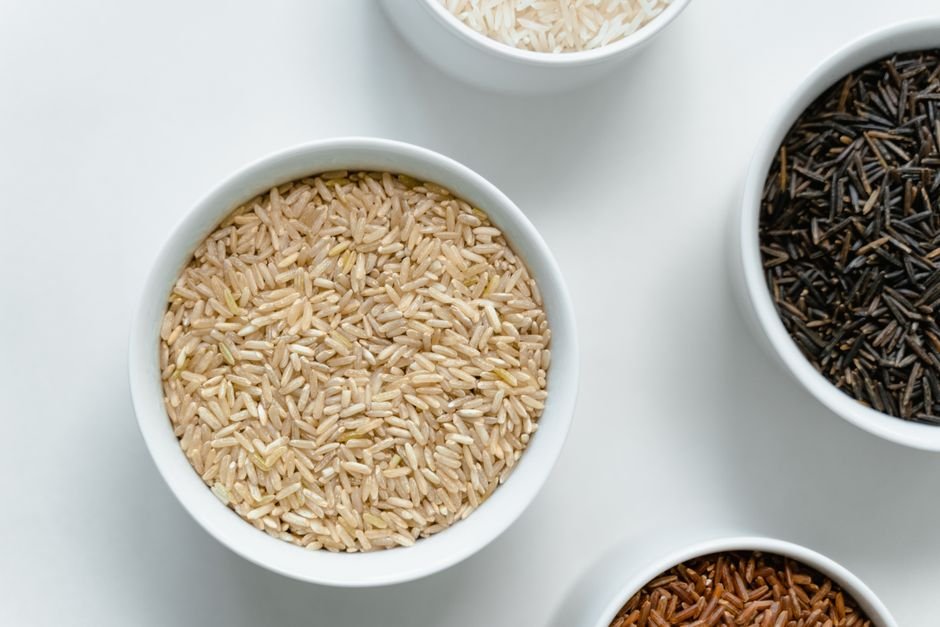
A rice cooker is an electric kitchen appliance designed primarily to cook rice perfectly every time. It works by boiling water, which is then absorbed by the rice until it reaches the desired texture. Once the water is absorbed, the cooker automatically switches from “cook” mode to “warm” mode, preventing the rice from burning.
Common Uses:
- Cooking white rice, brown rice, jasmine, or basmati rice
- Steaming vegetables, dumplings, or fish (in models with steam trays)
- Preparing one-pot meals like rice pilaf or congee
Advantages:
- Ease of use: Just add rice and water, and the cooker does the rest.
- Automatic features: Keeps rice warm after cooking.
- Consistent results: Perfectly cooked rice without supervision.
- Energy-efficient: Consumes less power than using a stove.
Limitations:
- Limited versatility: Mainly used for rice and light steaming.
- Longer cooking time: Takes 20–40 minutes depending on rice type.
2. What Is a Pressure Cooker?
A pressure cooker cooks food quickly using high-pressure steam. It traps steam inside a sealed pot, raising the temperature above boiling point (100°C or 212°F). This high pressure cooks food much faster than conventional methods, making it ideal for busy households.
Common Uses:
- Cooking lentils, beans, meat, and stews
- Making soups, curries, and even desserts
- Sterilizing utensils or baby bottles
Advantages:
- Faster cooking: Reduces cooking time by up to 70%.
- Versatile: Can cook a wide variety of foods.
- Nutrient retention: Preserves vitamins and minerals due to shorter cooking time.
- Energy-efficient: Uses less energy because of quick cooking.
Limitations:
- Learning curve: Requires practice to use safely and effectively.
- Monitoring: Some models need manual pressure control.
- Flavor blending: Because cooking is fast, some dishes may need additional simmering for better flavor.
3. Key Differences Between Rice Cooker and Pressure Cooker
| Feature | Rice Cooker | Pressure Cooker |
|---|---|---|
| Primary Function | Cooks rice and steams light foods | Cooks food under pressure quickly |
| Cooking Time | 20–40 minutes for rice | 5–15 minutes for most foods |
| Versatility | Limited to rice and steamed items | Suitable for a wide range of dishes |
| Ease of Use | Very easy, automatic operation | Requires some experience |
| Safety | Very safe with minimal risk | Needs careful handling due to pressure |
| Texture Control | Produces soft, fluffy rice | Produces tender, moist food quickly |
| Price Range | Generally cheaper | Slightly more expensive |
4. Which One Should You Buy?
Choosing between a rice cooker and a pressure cooker depends on your cooking habits:
- Choose a Rice Cooker if:
- You cook rice frequently.
- You prefer simple, hands-free cooking.
- You need an appliance mainly for grains and steamed dishes.
- Choose a Pressure Cooker if:
- You prepare a variety of foods like soups, meats, and legumes.
- You want to cook meals quickly.
- You enjoy experimenting with different recipes.
Many modern households even use both appliances a rice cooker for perfect rice and a pressure cooker for quick, flavorful meals. For more information on pressure cookers, you can check this pressure cooker overview.
5. The Modern Hybrid: Electric Multi-Cookers
Today, appliances like the Instant Pot combine the functions of a rice cooker, pressure cooker, slow cooker, and steamer in one device. These multi-cookers offer the best of both worlds convenience, speed, and versatility making them a popular choice for modern kitchens.
Who Suits Each Option Best?
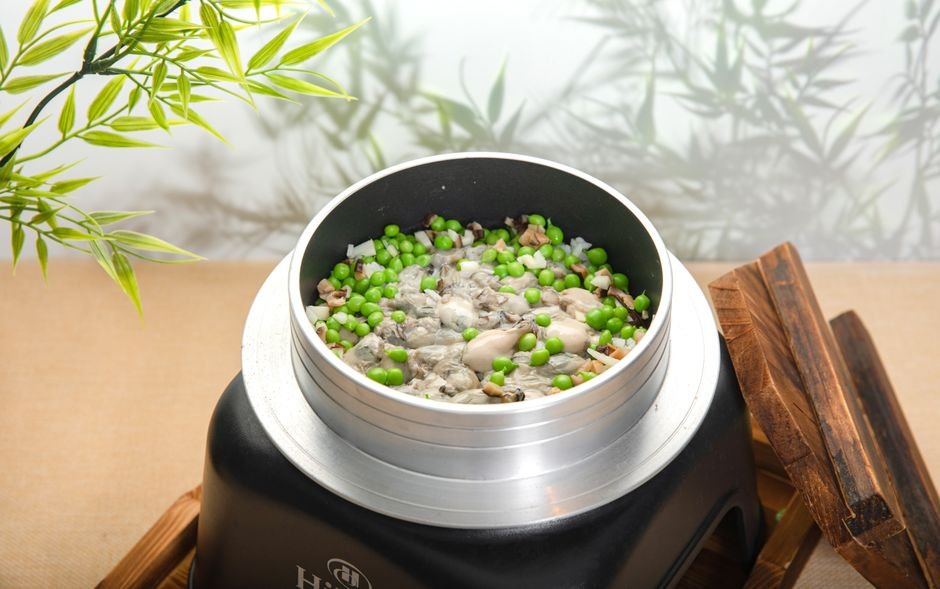
Rice cookers shine for those who frequently prepare rice or grains, especially if you appreciate the simplicity of just pressing a button. If you value convenience and precision, this appliance fits your kitchen well.
On the other hand, pressure cookers are excellent for busy cooks who want to speed up meal preparation. If you often make stews, soups, or tougher cuts of meat, a pressure cooker can significantly cut your cooking time.
If that matters to you, our piece on hot water pressure goes further.
Maintenance and Care
Maintaining your rice cooker is simple. Regularly clean the inner pot and steaming tray with warm, soapy water. Be sure to unplug it before cleaning and never submerge the entire appliance in water.
Pressure cookers, particularly stovetop models, require careful upkeep. Regularly inspect the gasket for wear. Replace it if it appears cracked; this ensures a proper seal for optimal cooking.
Both appliances benefit from occasional deep cleaning. For rice cookers, you can descale it by using a vinegar solution. Pressure cookers can be cleaned using baking soda to help remove odors.
Cost Comparison
The price range for rice cookers and pressure cookers varies widely. Basic rice cookers can start around $20, with high-end options reaching up to $300. Pressure cookers generally range from $30 to $200, depending on capacity and features.
Consider your budget and how often you plan to use the appliance. Investing more in a quality model can save you money in the long run if it lasts years. Look for sales or discounts online to help manage costs effectively.
Conclusion
Both rice cookers and pressure cookers have unique strengths. A rice cooker is perfect for consistent, hassle-free rice preparation, while a pressure cooker excels in speed and versatility. If you value simplicity, go for a rice cooker; if you prioritize efficiency and variety, a pressure cooker is your best bet. Ultimately, the right choice depends on your cooking style, time, and needs.





Leave a Reply