

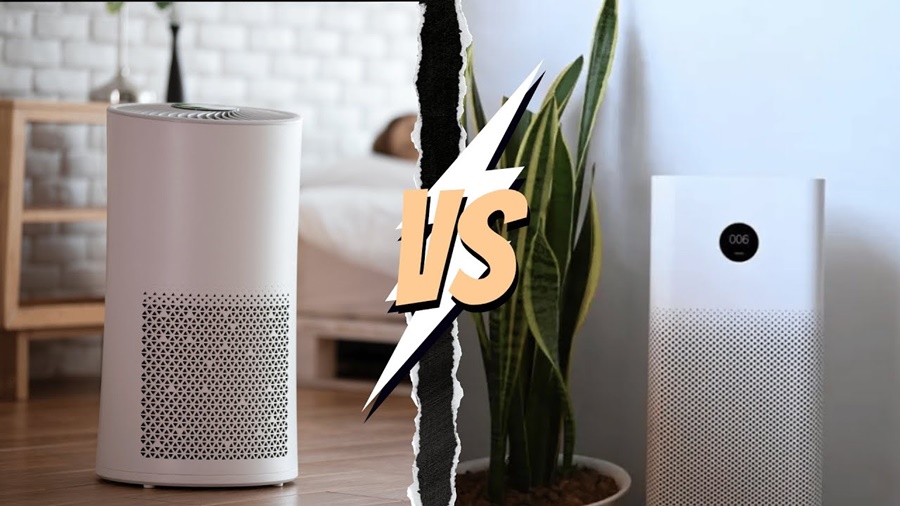
As a result, many people turn to air-cleaning devices such as air purifiers and ionizers. Indoor air quality has become a major concern for homeowners, office workers, and anyone looking to create a healthier living environment. Dust, allergens, pet dander, smoke, mold spores, and airborne pollutants can negatively affect health and comfort.
While both aim to improve indoor air quality, they operate in very different ways and offer distinct advantages and disadvantages.
This article explores the differences between air purifiers and ionizers, how they work, their benefits, drawbacks, and which option may be best for your needs.
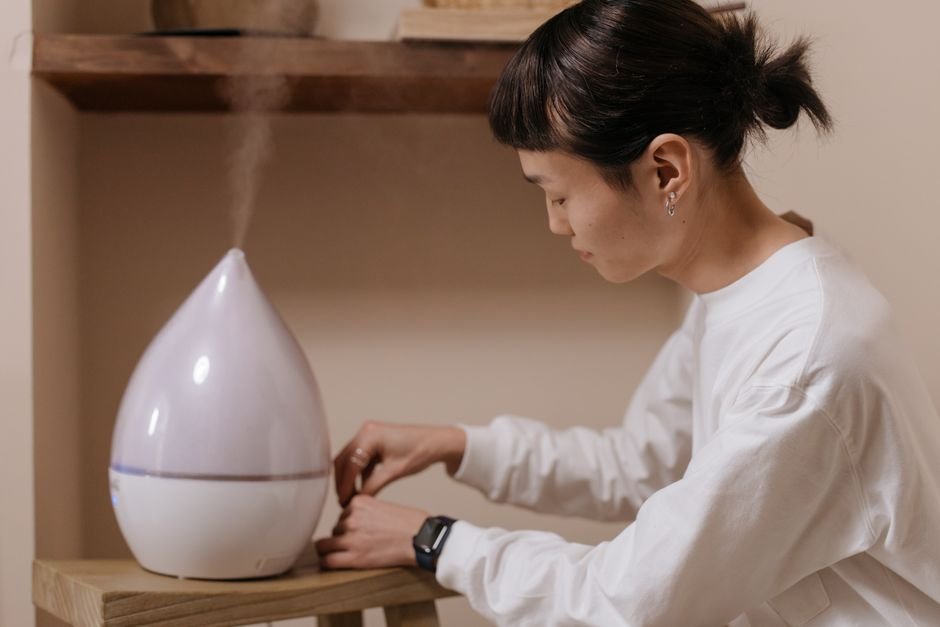
What Is an Air Purifier?
An air purifier is a device designed to remove airborne contaminants from indoor air. Most modern air purifiers use a combination of filters and technologies to capture particles and improve air quality.
How Air Purifiers Work
Air purifiers draw air into the machine through a fan. The air then passes through one or more filters that trap pollutants before releasing cleaner air back into the room.
Common filtration technologies include:
- HEPA (High-Efficiency Particulate Air) filters
- Activated carbon filters
- Pre-filters
- UV-C light technology
- Electrostatic filtration
HEPA filters are especially effective because they can capture extremely small particles, including dust, pollen, pet dander, and some bacteria.
Benefits of Air Purifiers
1. Effective Removal of Airborne Particles
Air purifiers physically trap pollutants rather than simply altering their behavior. This makes them highly effective for improving indoor air quality.
2. Allergy Relief
People suffering from allergies often benefit from HEPA air purifiers because they can remove pollen, dust mites, and pet dander from the air.
3. Odor Reduction
Many air purifiers include activated carbon filters that absorb odors from cooking, pets, smoke, and household chemicals.
4. Improved Respiratory Health
Cleaner air may help reduce symptoms associated with asthma and other respiratory conditions.
5. Wide Range of Applications
Air purifiers can be used in homes, offices, hospitals, classrooms, and commercial spaces.
Drawbacks of Air Purifiers
1. Filter Replacement Costs
Most air purifiers require periodic filter replacements, which can add to the overall cost of ownership.
2. Energy Consumption
Air purifiers rely on fans and filtration systems that consume electricity continuously.
3. Noise Levels
Some models produce noticeable noise, particularly at higher fan speeds.
What Is an Ionizer?
An ionizer, also known as an air ionizer, is a device that releases negatively charged ions into the air. These ions attach themselves to airborne particles such as dust, pollen, and smoke.
How Ionizers Work
The negatively charged ions bind to positively charged airborne particles. This causes the particles to become heavier and fall onto nearby surfaces such as floors, walls, furniture, and curtains.
Some ionizers also use electrostatic collection plates that attract and capture charged particles.
Unlike traditional air purifiers, many ionizers do not use replaceable filters.
Benefits of Ionizers
1. Low Maintenance
Since many ionizers do not require filters, maintenance costs are often lower.
2. Quiet Operation
Most ionizers operate silently because they do not rely on powerful fans.
3. Energy Efficiency
Ionizers generally consume less electricity than traditional air purifiers.
4. Compact Design
Many ionizers are lightweight and easy to place in small rooms or workspaces.
Drawbacks of Ionizers
1. Particles Remain Indoors
Although particles are removed from the air, they often settle on nearby surfaces rather than being permanently removed from the environment.
2. Frequent Cleaning Required
Dust and allergens that settle on furniture and floors must be cleaned regularly to prevent them from becoming airborne again.
3. Limited Odor Removal
Most ionizers are less effective at removing odors compared to air purifiers equipped with activated carbon filters.
4. Potential Ozone Production
Some ionizers produce ozone as a byproduct. Elevated ozone levels can irritate the lungs and may be harmful to people with asthma or respiratory conditions.
Air Purifier vs Ionizer: Key Differences
| Feature | Air Purifier | Ionizer |
|---|---|---|
| Primary Function | Filters and removes pollutants | Charges particles to make them settle |
| Filter Requirement | Usually yes | Often no |
| Maintenance | Filter replacement needed | Surface cleaning needed |
| Noise Level | Moderate | Very quiet |
| Odor Removal | Excellent with carbon filters | Limited |
| Allergy Control | Highly effective | Moderately effective |
| Energy Usage | Moderate | Low |
| Ozone Risk | Minimal in quality models | Possible in some models |
| Particle Removal | Captures pollutants permanently | Causes particles to settle nearby |
Which Is Better for Allergies?
For allergy sufferers, air purifiers are generally the superior choice. HEPA filtration can physically capture allergens before they are inhaled. Ionizers may reduce airborne particles temporarily, but allergens often remain inside the room on surfaces.
If allergies are a primary concern, a HEPA air purifier is typically the recommended solution.
Which Is Better for Smoke and Odors?
Air purifiers with activated carbon filters are significantly more effective at removing smoke, cooking odors, pet smells, and chemical fumes.
Ionizers may reduce some smoke particles but generally cannot eliminate odors effectively.
Which Is More Cost-Effective?
Ionizers usually have lower operating costs because they often do not require replacement filters. However, the lower maintenance cost may come at the expense of overall cleaning performance.
Air purifiers cost more to maintain but generally provide superior air-cleaning results.
Ideal Uses for Air Purifiers
Air purifiers are best for:
- Allergy sufferers
- Asthma patients
- Homes with pets
- Areas affected by smoke
- Removing odors
- Improving overall indoor air quality
Ideal Uses for Ionizers
Ionizers may be suitable for:
- Small offices
- Quiet environments
- Users seeking low-maintenance solutions
- Supplementary air-cleaning applications
- Budget-conscious consumers

Can You Use Both Together?
Yes. Some modern air-cleaning systems combine HEPA filtration and ionization technology. This approach allows particles to be charged and then captured by filters, providing enhanced air purification.
When choosing a combined system, ensure that ozone emissions are minimal and comply with recognized safety standards.
Conclusion
Both air purifiers and ionizers are designed to improve indoor air quality, but they achieve this goal in different ways. Air purifiers physically remove pollutants from the air using filtration systems, making them highly effective for allergies, asthma, odors, and overall air cleanliness. Ionizers work by charging airborne particles so they settle onto surfaces, offering quieter operation and lower maintenance costs.
For more on ionizers, see ionizers and ozone-generating air cleaners.
For most households, especially those with allergy sufferers, pets, smoke concerns, or respiratory issues, an air purifier with a HEPA filter is generally the better choice. Ionizers can be useful in certain situations but are often most effective as a supplemental air-cleaning solution rather than a complete replacement for a quality air purifier.
Ultimately, the best choice depends on your budget, air-quality concerns, maintenance preferences, and health needs.





Leave a Reply