

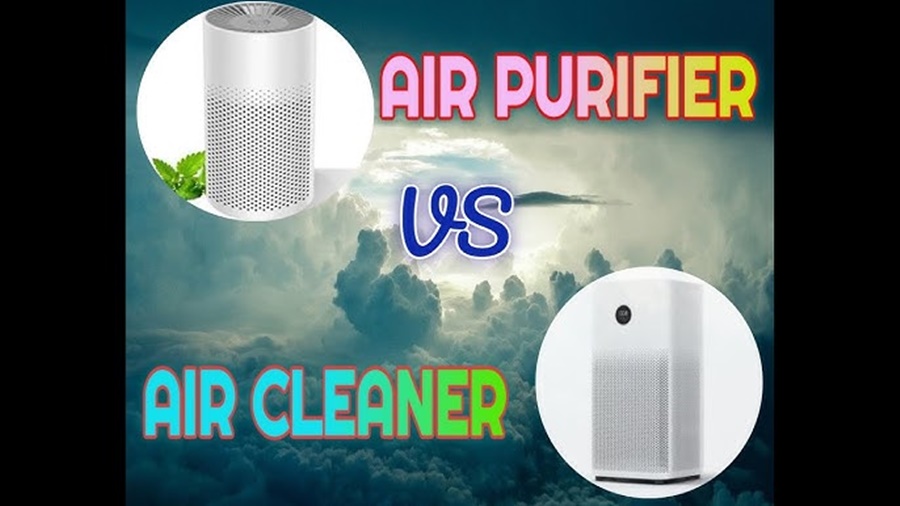
Indoor air quality has become a growing concern for homeowners, businesses, and health-conscious individuals. Dust, pollen, pet dander, smoke, mold spores, and airborne pollutants can negatively impact health and comfort. As a result, many people look for solutions to improve the air they breathe indoors. Two common options are air purifiers and air filters.
While these terms are often used interchangeably, they serve different purposes and function in distinct ways.
Understanding the differences between air purifiers and air filters can help consumers make informed decisions when choosing the best solution for their homes or workplaces. This article explores how each system works, their advantages and disadvantages, and which option may be right for specific needs.
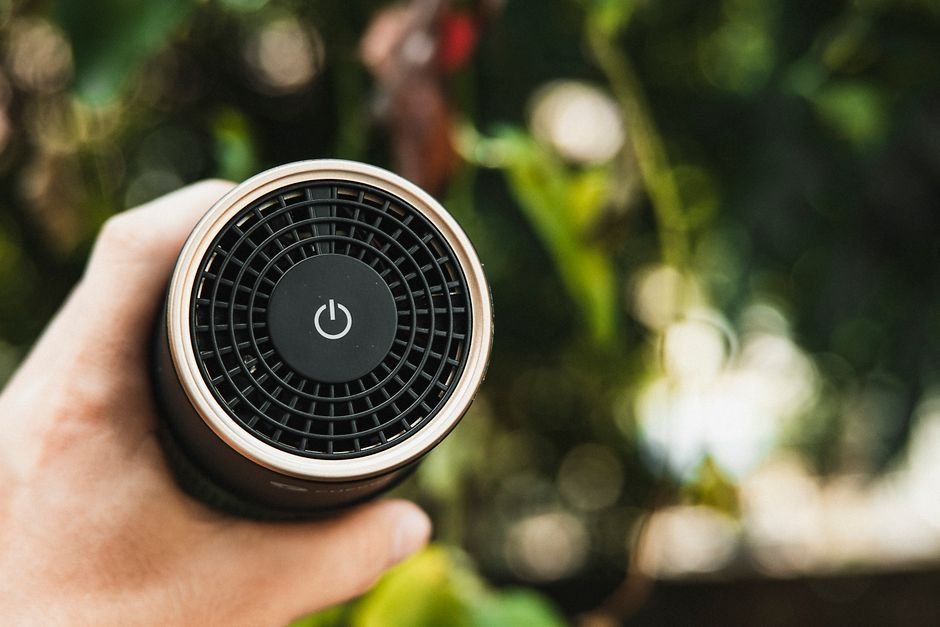
What Is an Air Filter?
An air filter is a device designed to capture and remove airborne particles as air passes through it. Air filters are commonly found in heating, ventilation, and air conditioning (HVAC) systems, furnaces, and air conditioning units.
The primary purpose of an air filter is to trap contaminants such as:
- Dust
- Pollen
- Pet hair and dander
- Mold spores
- Lint
- Debris
Air filters work by forcing air through a fibrous material that captures particles. Depending on the filter’s quality and rating, it can remove particles of various sizes.
Types of Air Filters
Fiberglass Filters
Fiberglass filters are inexpensive and commonly used in residential HVAC systems. They provide basic protection against large particles but are not highly effective at capturing smaller pollutants.
Pleated Filters
Pleated filters use folded material to increase surface area, allowing them to capture more particles than standard fiberglass filters. They offer better filtration and longer service life.
HEPA Filters
High-Efficiency Particulate Air (HEPA) filters are among the most effective filtration systems available. They can capture at least 99.97% of airborne particles as small as 0.3 microns.
Electrostatic Filters
These filters use static electricity to attract and capture particles. They can be disposable or washable and are often more efficient than standard filters.
What Is an Air Purifier?
An air purifier is a standalone device specifically designed to clean indoor air by removing pollutants, allergens, odors, and sometimes microorganisms. Unlike standard air filters, air purifiers often use multiple technologies to improve air quality.
Air purifiers are commonly used in bedrooms, living rooms, offices, and healthcare settings where clean air is a priority.
Types of Air Purifiers
HEPA Air Purifiers
These devices use HEPA filters to trap microscopic particles, including dust, pollen, and pet dander.
Activated Carbon Air Purifiers
Activated carbon filters are highly effective at removing odors, smoke, volatile organic compounds (VOCs), and chemical pollutants.
UV Air Purifiers
Ultraviolet (UV) purifiers use UV-C light to neutralize bacteria, viruses, and other microorganisms.
Ionic Air Purifiers
These purifiers release negatively charged ions that attach to airborne particles, causing them to settle or become easier to capture.
Hybrid Air Purifiers
Many modern air purifiers combine HEPA filtration, activated carbon, UV technology, and other purification methods to provide comprehensive air cleaning.
Key Differences Between Air Purifiers and Air Filters
Purpose
Air filters primarily protect HVAC equipment and improve basic indoor air quality by trapping particles.
Air purifiers are designed specifically to improve indoor air quality by removing a wider range of contaminants, including particles, odors, smoke, and microorganisms.
Installation
Air filters are usually installed within HVAC systems and operate whenever the heating or cooling system runs.
Air purifiers are typically standalone devices that can be placed in individual rooms and operate independently.
Filtration Capabilities
Standard air filters mainly remove larger particles such as dust and pollen.
Air purifiers often remove:
- Fine particulate matter
- Allergens
- Smoke particles
- Odors
- VOCs
- Bacteria
- Viruses
Coverage Area
Air filters can affect the air quality throughout an entire building when integrated into a central HVAC system.
Air purifiers usually focus on specific rooms or designated spaces.
Cost
Air filters are generally less expensive, with replacement costs varying depending on the filter type.
Air purifiers have a higher upfront cost and may require ongoing maintenance, including filter replacement and energy consumption.
Advantages of Air Filters
Cost-Effective
Air filters are affordable and relatively easy to replace.
Whole-Home Coverage
When installed in HVAC systems, air filters help improve air quality throughout the entire home.
Equipment Protection
Air filters prevent dust and debris from damaging HVAC components, improving efficiency and extending equipment lifespan.
Low Maintenance
Most filters only require periodic replacement based on usage and manufacturer recommendations.
Advantages of Air Purifiers
Enhanced Air Cleaning
Air purifiers can remove a broader range of pollutants than standard air filters.
Allergy Relief
Individuals with allergies often benefit from the superior particle removal offered by HEPA-based air purifiers.
Odor Control
Activated carbon technology helps eliminate unpleasant odors from cooking, pets, smoke, and chemicals.
Improved Health Environment
Certain air purifiers can reduce airborne bacteria and viruses, contributing to a cleaner indoor environment.
Disadvantages of Air Filters
- Limited effectiveness against odors and gases
- Lower-quality filters may miss smaller particles
- Dependence on HVAC system operation
- Some high-efficiency filters can restrict airflow if improperly selected
Disadvantages of Air Purifiers
- Higher purchase price
- Ongoing maintenance costs
- Limited room coverage for many models
- Some ionizing units may produce ozone, which can be undesirable in indoor environments
Which Option Is Better?
The answer depends on your specific needs.
Choose an air filter if:
- You want basic particle filtration.
- You need whole-home coverage through an HVAC system.
- You are looking for a budget-friendly solution.
- Your primary goal is protecting HVAC equipment.
Choose an air purifier if:
- You suffer from allergies or asthma.
- You want to remove odors and smoke.
- You need advanced air cleaning capabilities.
- You are concerned about bacteria, viruses, or chemical pollutants.
For the best results, many homeowners use both. A high-quality HVAC air filter provides whole-house filtration, while a room air purifier delivers targeted air cleaning where it is needed most. Moreover, understanding the differences between an Air Purifier vs Air Filter can greatly enhance your decision-making process when it comes to maintaining your indoor air quality.
Conclusion
Air filters and air purifiers both contribute to healthier indoor air, but they are not the same. Air filters primarily capture particles and protect HVAC systems, while air purifiers offer more advanced air-cleaning technologies that target a wider range of contaminants. Understanding their differences allows consumers to select the most effective solution based on their budget, health concerns, and indoor air quality goals.
In many cases, combining a quality air filter with an efficient air purifier provides the most comprehensive approach to maintaining clean, fresh, and healthy indoor air.





Leave a Reply