

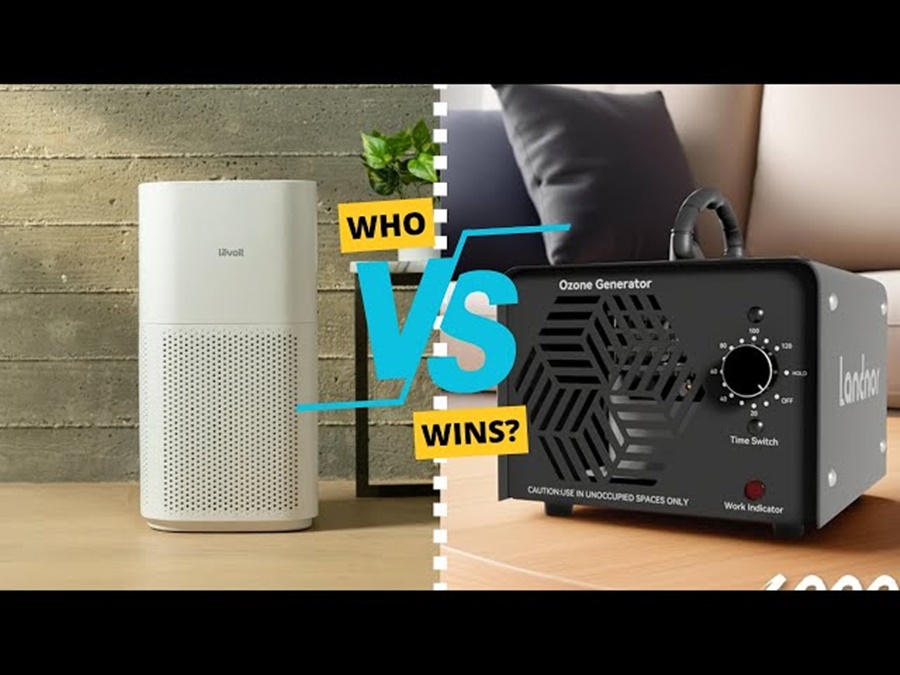
As people seek solutions to remove pollutants, allergens, odors, and airborne contaminants, two technologies often come up in discussions: air purifiers and ozone generators. Indoor air quality has become a major concern for homeowners, businesses, and health-conscious individuals. While both are designed to improve indoor air conditions, they operate in fundamentally different ways and have very different safety profiles.
This article explores the differences between air purifiers and ozone generators, their benefits, drawbacks, and which option is best for your needs.
What Is an Air Purifier?
An air purifier is a device designed to remove contaminants from indoor air. It works by drawing air through filters or purification systems that capture or neutralize pollutants before releasing cleaner air back into the room.
Modern air purifiers may use several technologies, including:
- HEPA (High-Efficiency Particulate Air) filters
- Activated carbon filters
- UV-C light technology
- Electrostatic precipitators
- Ionization systems
The primary purpose of an air purifier is to improve air quality by reducing airborne particles such as:
- Dust
- Pollen
- Pet dander
- Mold spores
- Smoke particles
- Bacteria and viruses
- Volatile Organic Compounds (VOCs)
Benefits of Air Purifiers
1. Improved Respiratory Health
Air purifiers help reduce allergens and airborne irritants that can trigger asthma, allergies, and other respiratory conditions.
2. Effective Particle Removal
HEPA filters can capture up to 99.97% of particles as small as 0.3 microns, making them highly effective against common indoor pollutants.
3. Odor Reduction
Activated carbon filters absorb odors from cooking, pets, smoke, and household chemicals.
4. Continuous Safe Operation
Most air purifiers are designed to operate continuously while people and pets are present in the room.
5. Better Indoor Comfort
Cleaner air can contribute to a healthier and more comfortable living environment.
Drawbacks of Air Purifiers
- Filter replacement can be costly.
- Performance depends on room size and airflow.
- Some models produce minor operational noise.
- Lower-quality units may not effectively remove gases or odors.
What Is an Ozone Generator?
An ozone generator is a device that intentionally produces ozone (O₃), a gas made up of three oxygen atoms. Ozone is highly reactive and can interact with pollutants, odors, and microorganisms.
Ozone generators are often marketed for:
- Odor elimination
- Smoke removal
- Mold remediation
- Air sanitization
The device releases ozone into the air, where it reacts with contaminants through a process called oxidation.
How Ozone Works
When ozone encounters certain substances, it breaks them down chemically. This oxidation process can neutralize odors and damage some microorganisms.
For example, ozone may react with:
- Smoke molecules
- Mold spores
- Bacteria
- Viruses
- Chemical odors
However, ozone does not physically remove particles from the air. Instead, it alters them chemically.
Benefits of Ozone Generators
1. Strong Odor Removal
Ozone can effectively eliminate persistent odors caused by smoke, pets, mold, and water damage.
2. Penetrates Hard-to-Reach Areas
Because ozone is a gas, it can reach spaces where traditional filters cannot, including cracks, fabrics, and ventilation systems.
3. Useful in Specialized Restoration Projects
Professional restoration companies sometimes use ozone generators after fires, floods, or severe contamination events.
Drawbacks of Ozone Generators
1. Health Risks
The biggest concern with ozone generators is safety. Ozone is a lung irritant that can cause:
- Coughing
- Chest pain
- Shortness of breath
- Throat irritation
- Reduced lung function
People with asthma, allergies, or respiratory conditions may be particularly vulnerable.
2. Unsafe for Occupied Spaces
High ozone concentrations should not be used in occupied rooms. Humans and pets typically need to leave the area during treatment.
3. Material Damage
Long-term ozone exposure can degrade:
- Rubber
- Electrical wiring insulation
- Fabrics
- Paint
- Certain plastics
4. Limited Air Cleaning Ability
Unlike air purifiers, ozone generators do not remove dust, pollen, pet dander, or other airborne particles from the air.

Air Purifier vs Ozone Generator: Side-by-Side Comparison
| Feature | Air Purifier | Ozone Generator |
|---|---|---|
| Removes Dust and Allergens | Yes | No |
| Removes Smoke Particles | Yes | Limited |
| Eliminates Odors | Yes | Excellent |
| Safe Around People | Yes | No |
| Continuous Operation | Yes | No |
| HEPA Filtration | Yes | No |
| Produces Ozone | Usually No | Yes |
| Suitable for Allergy Sufferers | Yes | No |
| Requires Vacating Room | No | Yes |
| Professional Restoration Use | Limited | Common |
Which Is Better for Allergies?
For allergy sufferers, air purifiers are the clear winner.
HEPA-filter air purifiers effectively capture:
- Pollen
- Pet dander
- Dust mites
- Mold spores
Ozone generators do not remove these particles from the air and may worsen respiratory symptoms due to ozone exposure.
Which Is Better for Odors?
The answer depends on the severity of the odor.
Mild to Moderate Odors
An air purifier with an activated carbon filter is usually sufficient for:
- Cooking smells
- Pet odors
- Household odors
Severe Odors
In situations involving:
- Fire damage
- Heavy smoke contamination
- Severe mold-related odors
Professional ozone treatment may be used as part of a larger restoration process. However, this should be performed carefully and according to safety guidelines.
Safety Considerations
Many health organizations caution against using ozone generators in occupied spaces. While ozone can neutralize certain contaminants, the concentrations required for effective cleaning may exceed levels considered safe for human exposure.
Air purifiers, particularly those equipped with HEPA and activated carbon filtration, are generally considered a safer long-term solution for improving indoor air quality.
When purchasing an air purifier, look for:
- True HEPA filtration
- Activated carbon filters
- Certified performance ratings
- Appropriate coverage for your room size
Avoid devices that intentionally generate high levels of ozone unless they are being used for specialized, unoccupied-space applications.
Who Should Choose an Air Purifier?
An air purifier is ideal for:
- Families with children
- Pet owners
- Allergy sufferers
- Asthma patients
- Office environments
- General indoor air quality improvement
It provides continuous air cleaning without exposing occupants to harmful gases.
Who Should Choose an Ozone Generator?
An ozone generator may be appropriate for:
- Professional restoration contractors
- Smoke damage remediation
- Water damage restoration
- Unoccupied buildings requiring odor treatment
It should not be viewed as a general-purpose air-cleaning device for everyday home use.
Conclusion
Although air purifiers and ozone generators are both marketed as air-quality solutions, they serve different purposes. Air purifiers physically remove airborne pollutants and are generally safe for everyday use around people and pets. Ozone generators, on the other hand, rely on chemical oxidation and can pose health risks if used improperly.
For most homes and offices, a high-quality air purifier with HEPA and activated carbon filtration is the safer and more effective choice. Ozone generators are best reserved for specialized odor-removal and restoration tasks in unoccupied spaces. Understanding these differences can help you choose the right solution for cleaner, healthier indoor air.





Leave a Reply