

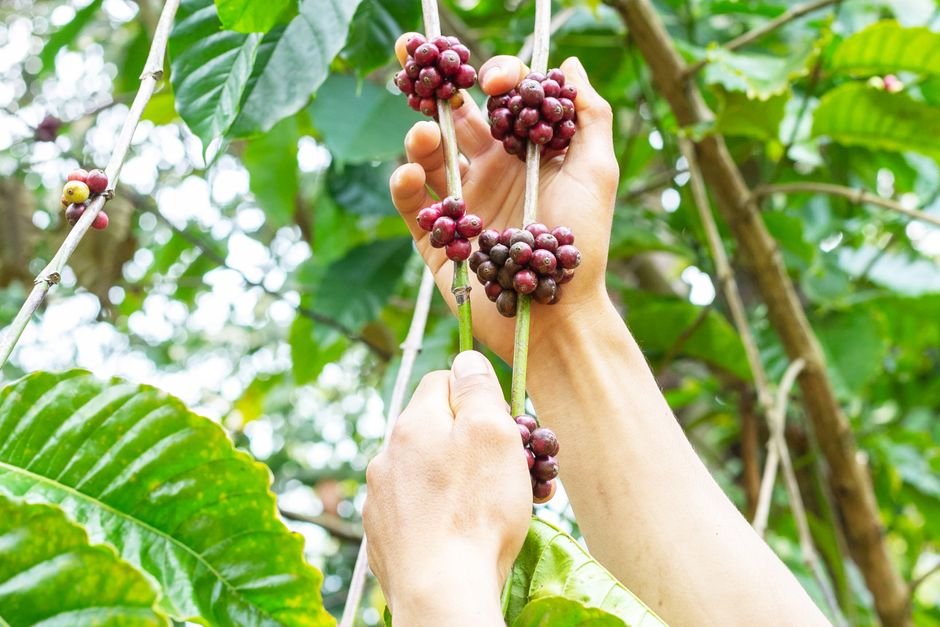
Around 70% of the world’s coffee comes from just a few countries, and the way these beans are harvested plays a critical role in their flavor and quality. Understanding the nuances of coffee bean harvesting can transform your appreciation of your daily cup into a deeper experience focused on origin and production methods.
Coffee is grown in over 70 countries, primarily in regions close to the equator. These coffee plantations employ various harvesting techniques that can either enhance or compromise the quality of the beans. As someone who has delved deep into the world of coffee sourcing, I’ve come to the conclusion that understanding these methods is essential if you want to enjoy the best cup possible.
Why Harvesting Techniques Matter
Not all coffee harvesting techniques are created equal. The method used significantly affects the quality of the beans, which translates directly to the taste of your cup of joe. Broadly, there are two primary methods: manual and mechanical. While mechanical harvesting is faster and requires less labor, it often results in lower-quality beans due to the indiscriminate picking of both ripe and unripe cherries.
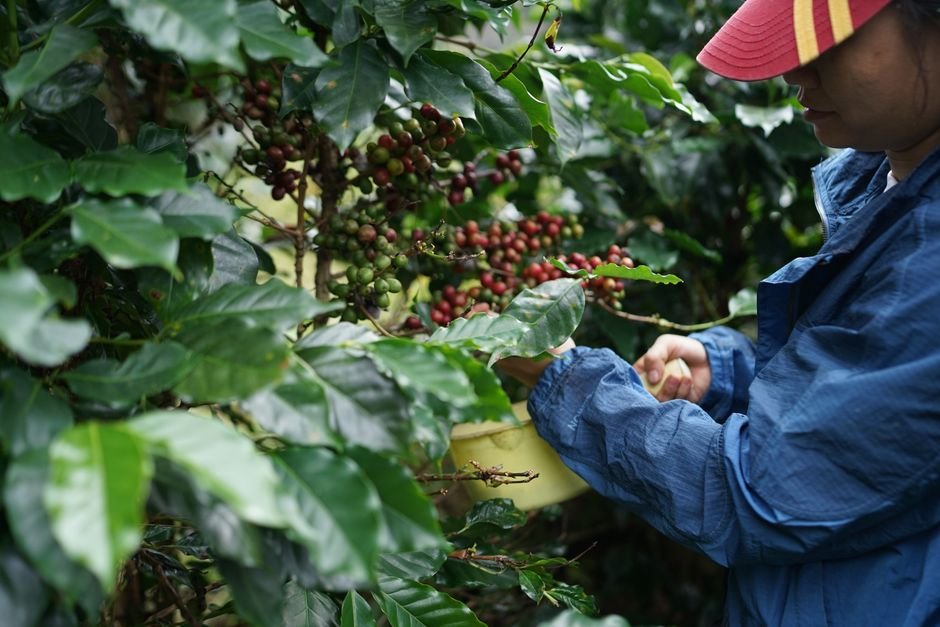
In contrast, manual harvesting, though more labor-intensive, allows pickers to select only the ripe cherries. This method may take longer and cost more, but it leads to a better final product. If you’re a coffee enthusiast, seek out beans that have been hand-picked, as these typically reflect the highest quality.
The meticulous selection process not only preserves the flavor but also impacts the overall yield of premium beans.
Traditional vs Modern Harvesting Techniques
The evolution of coffee harvesting techniques is fascinating. Traditional methods involve laborers picking cherries by hand, which promotes a careful selection process. In regions where coffee cultivation has been a family tradition for generations, you often find older farming techniques still in use. These growers care deeply about the quality of their coffee, fostering a more intimate relationship with the crop.
On the other hand, modern methods hinge on efficiency and productivity. For example, mechanical harvesters can cover a much larger area than human hands ever could, making them ideal for large plantations. However, many coffee connoisseurs would state that the flavor profile of beans from manually harvested sources is often superior.
After thorough research and tasting various coffees, I firmly advocate for purchasing beans that come from traditional harvesting methods, whenever possible.
The Role of Geography in Coffee Harvesting
Geography plays a pivotal role in how coffee beans are harvested. The altitude, weather, and soil conditions can all influence not just how beans are grown, but when they are harvested. For instance, coffee grown at higher altitudes tends to mature slower, resulting in denser beans that can provide a more complex flavor profile.
However, altitudinal differences also mean variations in harvesting times; growers in high-altitude regions might find their cherries ripening later than those in lower elevations.
Each coffee-growing region has its unique harvesting calendar, driven by local climate conditions. Bean quality can fluctuate depending on when the coffee is harvested within this season. Some regions even produce different varieties of coffee, which can yield entirely distinct flavor notes, based on local harvesting practices.
Understanding where your coffee comes from can enhance your overall experience, as you appreciate the nuances that each geography brings to the table.
Bean Quality Variations
It’s worth noting that harvesting methods influence not only the immediate flavor but also the long-term storage and quality of the beans. Ripe cherries, picked at their peak, tend to have a flavor profile that remains stable during storage, while improperly harvested beans can spoil or lose their flavor nuances over time.
Many coffee lovers overlook variations that can arise even after good harvesting practices. For example, the maturity of the beans at the time of harvest can lead to substantial differences in taste. It’s essential to educate yourself on how coffee beans are harvested if you want to guarantee quality.
This may include looking into farms that are committed to sustainable practices or specialty harvests.
A Personal Recommendation on Bean Sourcing
For the most authentic coffee experience, seek out single-origin or microlot beans, which are best for enthusiasts who are serious about flavor and provenance. Additionally, explore local roasters that focus on quality sourcing, which is excellent for anyone wanting to enjoy unique, seasonal flavor profiles.
Final Verdict: Choose Wisely When Selecting Your Beans
Ultimately, understanding how coffee beans are harvested is not merely for enthusiasts; it’s vital for anyone who consumes coffee regularly. Choosing beans from reliable sources that utilize manual harvesting techniques can greatly enhance your coffee experience. Every cup tells a story, and knowing how your beans are sourced is part of that narrative.
If you truly enjoy coffee, I strongly encourage you to seek out high-quality beans that have been harvested with care, paying off in exceptional flavor.
Related reading: machine vs moka.
Related reading: coffee machine.
FAQ
How long does the coffee harvesting season last? The coffee harvesting season varies by region, usually lasting from several months to up to eight months depending on climate and altitude.
What is the difference between Arabica and Robusta beans? Arabica beans are generally considered higher quality, with a smoother flavor, while Robusta beans are stronger and more bitter.
Are coffee beans always harvested at the same time? No, coffee beans do not ripen simultaneously. Different harvesting techniques allow for selective picking, ensuring only ripe cherries are collected.
How can I tell if my coffee beans were harvested manually? Look for packaging that indicates the origin, as well as terms like “hand-picked” or “selectively harvested.”





Leave a Reply