

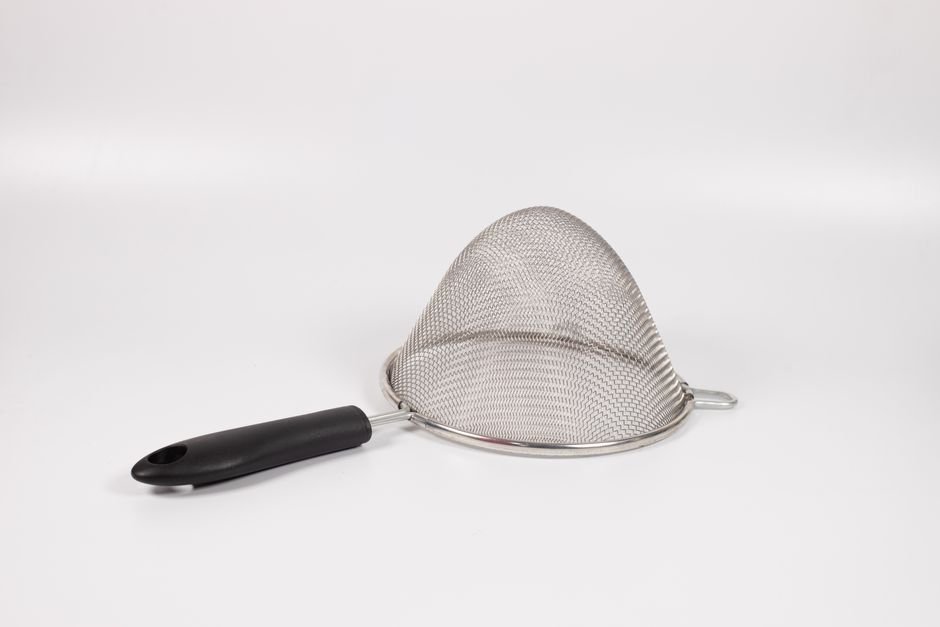
A kitchen sieve typically costs between $10 to $30, yet many cooks overlook its value. This tool is designed to separate fine particles from liquids or dry ingredients, making it far more useful than it seems. Understanding its various functions can help improve your cooking techniques.
A kitchen sieveoften referred to as a strainer, is an indispensable tool in cooking and baking. Its main function is to separate liquids from solids, which can be vital in many recipes. For example, when making a stock or broth, you’ll want to strain out the solids to achieve a smooth consistency.
Similarly, if you’re cooking pasta, you’ll use a sieve to drain the water, keeping the delicious noodles intact. This may seem like second nature to seasoned cooks, but beginners often don’t appreciate how crucial proper straining is to the final dish.

Essential Uses of a Kitchen Sieve
The uses of a kitchen sieve extend well beyond simple straining. I rely on mine for a variety of tasks. One of the standout functions is sifting dry ingredients. When I’m baking, a good kitchen sieve helps me break up clumps in flour and powdered sugar. This results in a finer, smoother batter and can even improve the texture of cakes and pastries.
Unlike a regular mixing method, sifting aerates the flour, making your baked goods light and fluffy.
You can also use sieves for rinsing grains, fruits, and vegetables. When making dishes like quinoa or rice, a fine-mesh sieve is perfect for washing away excess starch, which can stick to the grains and affect texture. I’m not a fan of having a gummy dish, so rinsing is a must for me.
It’s equally useful for fruits; think of washing berries to remove dirt and pesticides without squashing them.
Key Differences: Sieves vs. Strainers
While the terms “sieve” and “strainer” are often used interchangeably, there are subtle differences that can impact your cooking. A sieve generally has a finer mesh, making it ideal for delicate tasks such as sifting flour or straining puree for sauces. On the other hand, a strainer typically features a coarser mesh, suited for draining liquids from larger solids, like pasta.
Understanding these distinctions can optimize your use of kitchen tools for different culinary techniques.
In my experience, having both a sieve and a strainer in your kitchen arsenal can really enhance your cooking capabilities. For more precise recipes, reach for the sieve. However, if you’re dealing with more substantial solids and liquids, a strainer is your best bet.

Specialized Kitchen Sieves for Various Needs
If you’re getting serious about cooking, consider investing in specialized sieves. For instance, a nut milk bag is essentially a fine sieve that can strain liquids like almond milk, making it specific for dairy alternatives.
There are also flour sifters designed for baking that not only sift but can aerate at the same time, very handy for enthusiasts like me who take their baked goods seriously! Others even come with a spring-loaded handle that makes the process faster and less labor-intensive.
Another useful type is a chinois, which is perfect for making smooth, restaurant-quality sauces. Its cone shape and fine mesh allow for better drainage and clarity, resulting in a professional grade finish for your culinary creations. While these specialized tools may require a bit of an investment, they can truly elevate your cooking experience.
If that matters to you, our piece on induction cooktop reviews goes further.
Related reading: oven which is better.
Final Thoughts on Essential Kitchen Tools
For a reliable kitchen sieve, the OXO Good Grips version is a top choice for home cooks, while professional chefs may prefer the stainless steel options from Ateco. If you often work with delicate ingredients or liquids, investing in a high-quality sieve will enhance your culinary results significantly.
Frequently Asked Questions
What can you use a kitchen sieve for?
A kitchen sieve is used for several tasks such as sifting dry ingredients like flour, straining liquids like broth, and separating solid food from liquids, for example, when rinsing vegetables or herbs.
How does a sieve differ from a strainer?
While both tools are used to separate solids from liquids, a sieve typically has a finer mesh and is often used for sifting dry ingredients, whereas a strainer usually has a coarser mesh and is designed for straining larger quantities of liquid.
Why is a sieve important in cooking?
A sieve is important in cooking because it ensures a smoother texture in baked goods by removing lumps from flour or other dry ingredients, and it helps to clarify liquids by separating unwanted solids.
Can you sift flour without a sieve?
Yes, you can sift flour without a sieve by using alternative methods like whisking it in a bowl to aerate it or using a fine-mesh colander as a makeshift sieve.
What foods require a sieve?
Foods that commonly require a sieve include flour, powdered sugar, berries when rinsed, sauces that need straining, and any liquid intended to be clarified from solid ingredients.



Leave a Reply