

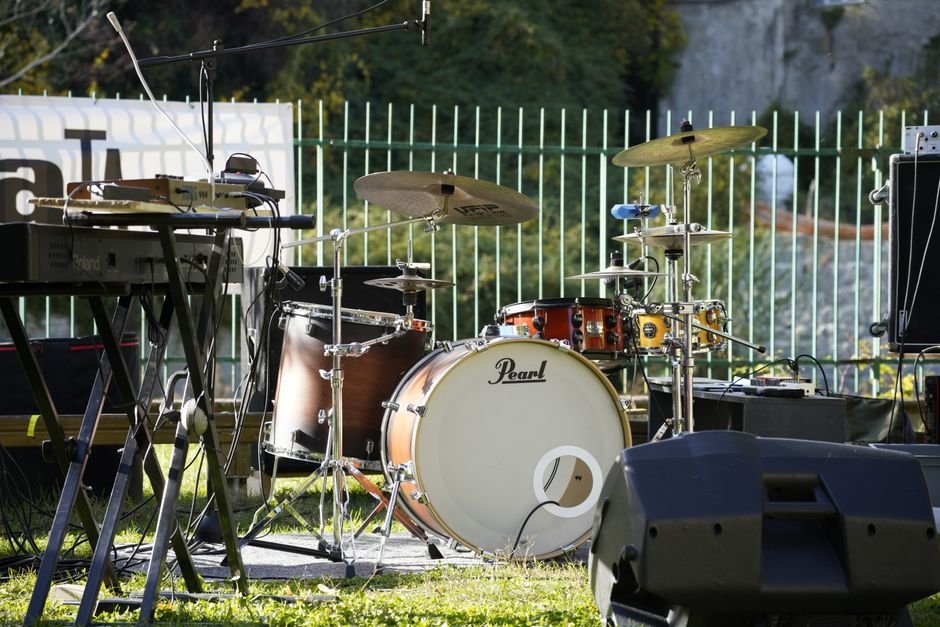
A well-structured outdoor sound system can cost anywhere from $500 to $5,000, depending on your needs and preferences. Many setups fail because people overlook proper speaker placement and equipment quality, resulting in muffled sound and frustration. Avoid these mistakes to ensure your music carries throughout your outdoor space without breaking the bank.
In this article, I’ll share my insights on outdoor sound system setup, emphasizing the importance of choosing the right equipment, placement strategies, and maintaining solid sound quality. Let’s delve into how to elevate your outdoor audio experience effectively.

Prioritize the Equipment: Choose Wisely
The foundation of a successful outdoor sound system lies in the quality of the equipment you choose. Start with wireless speakers or wired systems designed explicitly for outdoor use. Wireless speakers offer ease of setup and mobility, which is excellent for varying outdoor activities.
Look for models that offer robust battery life; a lifespan of at least 10 hours should keep the beats rolling throughout your event.
If you prefer wired speakers, make sure to invest in weather-resistant equipment. Outdoor conditions can be unpredictable; temperature fluctuations or unexpected rain can damage poorly designed gear. I often recommend opting for speakers with at least an IPX4 rating, ensuring they can withstand splashes and humidity.
Placement Strategy: Don’t Overlook Positioning
Once you’ve selected your speakers, the next step is strategic placement. Positioning your speakers correctly can drastically improve sound quality. For example, placing speakers too close to walls can lead to echo and muddled sound. Instead, aim for a placement that allows sound to disperse evenly, ideally at least a few feet away from walls and other barriers.
Also, keep height in mind. Mounting speakers on poles or placing them on elevated surfaces can enhance sound projection. Consider angling them slightly toward the listening area to optimize audio dispersion. Each gathering is unique, so take some time to walk around your space, adjusting speaker placements until you achieve the best sound experience.

Using Amplifiers: Amplify Responsibly
If you’ve opted for a wired system, amplifiers are a must for optimizing sound quality. Selecting the right amplifiers for outdoor use is crucial. Look for models that can handle the outdoor environment, especially in terms of temperature and moisture. Providing adequate power to your speakers ensures that sound quality remains clear, even at higher volumes.
It’s easy to assume that more power equates to better sound, but that’s not always the case. Overdriving speakers can lead to distortion. Instead, aim for an amplifier that complements your speakers’ power handling specifications. For instance, if your speakers can handle 50 watts, an amplifier rated for a similar output will allow for dynamic sound without sacrificing quality.
Sound Quality Optimization: Fine-Tuning Matters
Optimizing sound quality requires attention to detail. One common oversight many make is neglecting equalization settings. Most modern amplifiers or receivers come with built-in EQ options that let you adjust frequencies based on your environment. Experiment with bass and treble levels to find a balance that works best for your outdoor space.
Another aspect to consider is the wiring. If you’re using a wired system, ensure that you’re using high-quality cables. Cheap or old cables can lead to signal loss and interference, compromising sound quality. It’s worth investing in quality cables, as they directly affect your audio output.
Investing in speaker cables with a thicker gauge (such as 14 or 16 gauge) helps ensure minimal signal loss over longer distances.
Avoiding Common Mistakes: Learn from Others
Many encounter frustration with their outdoor sound systems simply due to common mistakes. A prevalent issue is underestimating the need for power. If you live in a bustling area, consider how much noise those surrounding activities may generate and choose speakers that can counter that effectively. Always opt for systems that offer flexibility regarding volume levels.
Also, don’t ignore the control setup. If you plan on using multiple devices, think about a unified control approach. Using a remote, mobile application, or smart assistant for playback control simplifies managing your sound system during events. This saves you from constantly running back and forth to adjust settings manually.
A Final Thought: Your Path to Great Sound
For those on a budget, a wireless speaker system like Sonos Move offers portability and decent sound quality for smaller gatherings. Conversely, if you're hosting larger events, investing in a more robust system like a portable PA from JBL can deliver clear audio over substantial distances, making it a better fit for outdoor parties.
For more, read about configurations closet.
We cover heating up common causes in more depth separately.
Frequently Asked Questions
How do I set up an outdoor sound system?
To set up an outdoor sound system, begin by selecting a suitable location that has access to power and is within range of your audio source. Position the speakers to maximize sound coverage while minimizing obstruction from trees and walls. Connect all components properly, ensuring cables are secured and protected from the elements.
What are the best outdoor speakers for camping?
The best outdoor speakers for camping are typically weather-resistant and portable models, such as Bluetooth speakers designed for rugged use. Look for options with a long battery life, good sound quality, and durability against impact and moisture, like the JBL Charge or Ultimate Ears MegaBlast.
Can I use indoor speakers outside?
While you can technically use indoor speakers outside, it's not advisable due to their vulnerability to weather elements such as moisture and temperature fluctuations, which can damage them. If you do use indoor speakers outside, ensure they are protected with a weatherproof cover and are not placed directly in rain or high humidity.
What equipment is needed for an outdoor audio setup?
An outdoor audio setup typically requires outdoor speakers, an audio source (like a smartphone or mixer), appropriate cables, and a power source. You may also need a receiver or amplifier depending on your speaker's specifications, as well as extension cords and outdoor-rated power strips for safety.
Why is my outdoor sound system not working well?
If your outdoor sound system is not working well, it could be due to several common issues such as poor speaker placement, inadequate power supply, or interference from competing sounds in the environment. Check all connections, ensure the speakers are rated for outdoor use, and adjust their position for optimal sound dispersion. Additionally, learning more about outdoor sound system setup can be beneficial.



Leave a Reply