

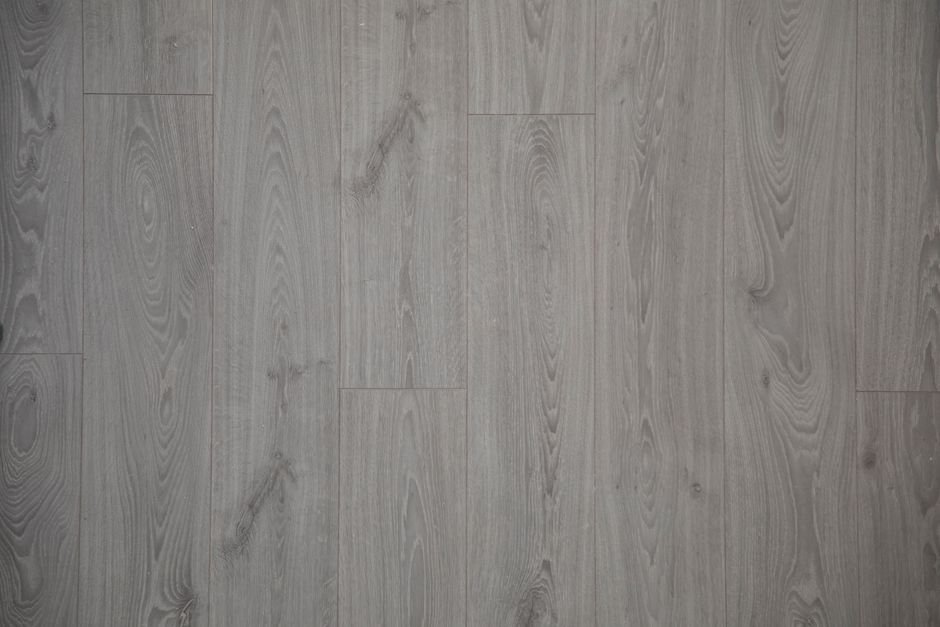
Around 20% of homeowners experience bubbling in their laminate flooring, a problem often traced back to moisture, poor installation, or issues with the subfloor. Identifying the root cause is essential for preventing further damage and effectively addressing the issue.
When I first noticed the bubbles in my laminate flooring, I was baffled. It seemed inexplicable at first, but through research and talking to professionals, I discovered the common reasons behind this issue. Understanding these factors is essential for anyone dealing with similar problems, so let’s break it down.

Identify Moisture Problems
Moisture is a primary factor leading to bubbling in laminate flooring. This material is sensitive to humidity, and excessive moisture can cause the flooring to swell and bubble. For instance, if you live in a humid climate or if your home experiences frequent spills or leaks, the laminate can absorb moisture, triggering this unsightly problem.
To manage humidity, use dehumidifiers in damp areasand ensure proper ventilation in places like bathrooms and kitchens. It’s also essential to wipe up spills promptly and maintain dry conditions to protect your floor from excessive moisture exposure. Remember, laminate flooring is not waterproof; it is water-resistant to a degree.
Installation Errors Could Be the Culprit
Improper installation often results in bubbling floorboards. When laminate flooring is installed without leaving adequate expansion gaps along the walls, it can buckle and form bubbles as it expands. This mistake is surprisingly common, especially in larger rooms. If your installation was DIY, rethink your approach for future projects.
I learned this the hard way. For future reference, an expansion gap of at least 1/4 inch is critical around the perimeter of the floor. This space allows the flooring to expand without restriction, preventing those pesky bubbles from ruining your hard work. If you’re planning to install laminate flooring, remember that this step is vital.
Examine Subfloor Issues
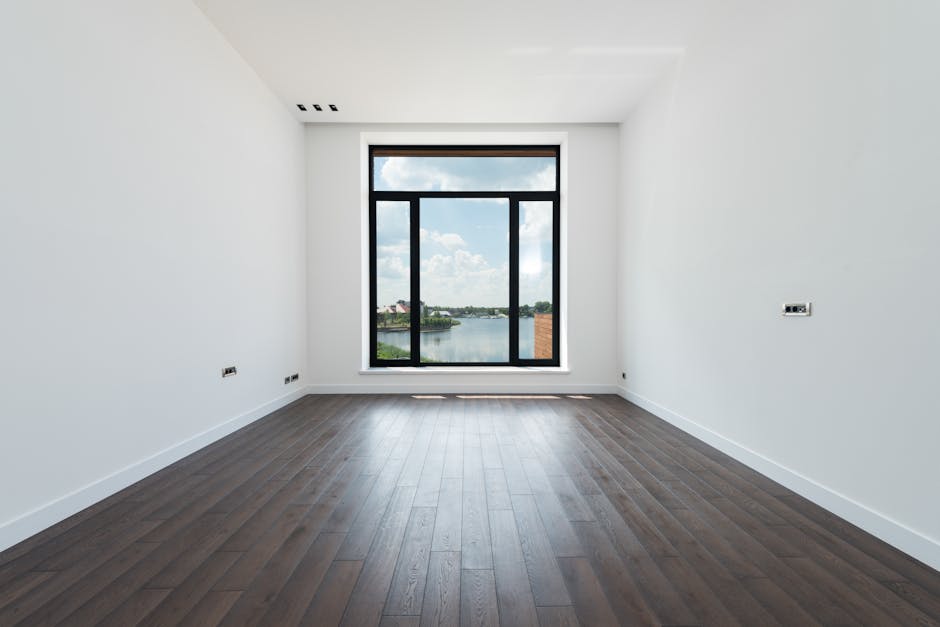
A problematic subfloor can also lead to bubbling in laminate flooring. If your subfloor is uneven or poorly prepared, it can create pressure points that bubble the laminate. Additionally, any moisture present in the subfloor itself can seep up into the laminate, causing swelling. A properly prepared subfloor should be dry, clean, and level before installation.
I recommend checking the subfloor for any signs of moisture or unevenness before you lay down laminate. A flat, dry subfloor will make a significant difference in the longevity and appearance of your flooring. If you discover issues, it’s worth addressing them before installation to save yourself the hassle later.
Prevention Strategies
To keep your laminate flooring in top shape, take proactive steps to avoid these problems. Beyond proper installation and moisture management, regular maintenance plays a huge role. Consider the following:
- Clean spills immediately to reduce moisture exposure.
- Use area rugs in high-traffic zones to protect against scratches and damage.
- Maintain a consistent indoor temperature and humidity level.
- Opt for quality underlayment that offers moisture protection and sound insulation.
Investing time and resources into these strategies can save you from future headaches. Trust me; a little effort pays off in longevity and beauty.
How to Fix Existing Bubbles
If you’re already dealing with bubbling laminate, the first step is to identify the cause, then address it accordingly. In some cases, you may need to remove the affected planks and let them dry. If the bubbles persist after drying, replacing the damaged sections might be necessary.
I’ve found that carefully removing any swollen portions and replacing them with new pieces can often restore the floor’s overall appearance. Be sure to maintain the correct installation techniques when replacing it to avoid the same issues down the road.
Seek Professional Help if Needed
Sometimes, the bubbling might indicate a more significant problem that requires a professional assessment. If you’re unsure about your ability to diagnose or fix the issue, consult with a flooring expert. They bring valuable insights and can offer solutions tailored to your situation.
Ultimately, finding the right solution depends on understanding the root cause and taking appropriate action. Don’t hesitate to ask for professional help if you feel overwhelmed.
We cover options for basement renovation in more depth separately.
Our write-up on easy methods for quick picks up where this leaves off.
Final Thoughts: A Careful Approach Wins
Investing in professional installation will provide the best long-term solution, especially for high-moisture areas. For those on a budget, proper sealing and regular maintenance can also prevent bubbling, making it suitable for DIY enthusiasts or first-time homeowners.
Frequently Asked Questions
What causes laminate flooring to bubble?
Laminate flooring can bubble due to trapped moisture beneath the surface, often from spills, leaks, or excessive humidity. Additionally, the expansion and contraction of the laminate due to temperature changes can lead to bubbles.
How can I prevent bubbling in laminate floors?
To prevent bubbling in laminate floors, ensure proper installation with adequate expansion gaps around the perimeter. Maintaining a stable indoor humidity level and promptly cleaning any spills can also help reduce the risk of moisture-related issues.
What is the best way to fix laminate bubbles?
The best way to fix laminate bubbles is to carefully cut into the bubble with a utility knife to release trapped air and moisture. You can then apply a strong adhesive or repair kit to flatten the area and press it down until it adheres properly.
Is moisture the main cause of laminate bubbling?
Yes, moisture is indeed a primary cause of laminate bubbling, as it can seep through seams or gaps and create pressure under the surface. This pressure leads to the laminate swelling and forming bubbles.
Can improper installation cause laminate flooring issues?
Absolutely, improper installation can lead to various issues with laminate flooring, including bubbling. If the flooring is not laid with sufficient expansion gaps or unevenly, it can trap moisture and lead to warping or bubbling over time.



Leave a Reply