

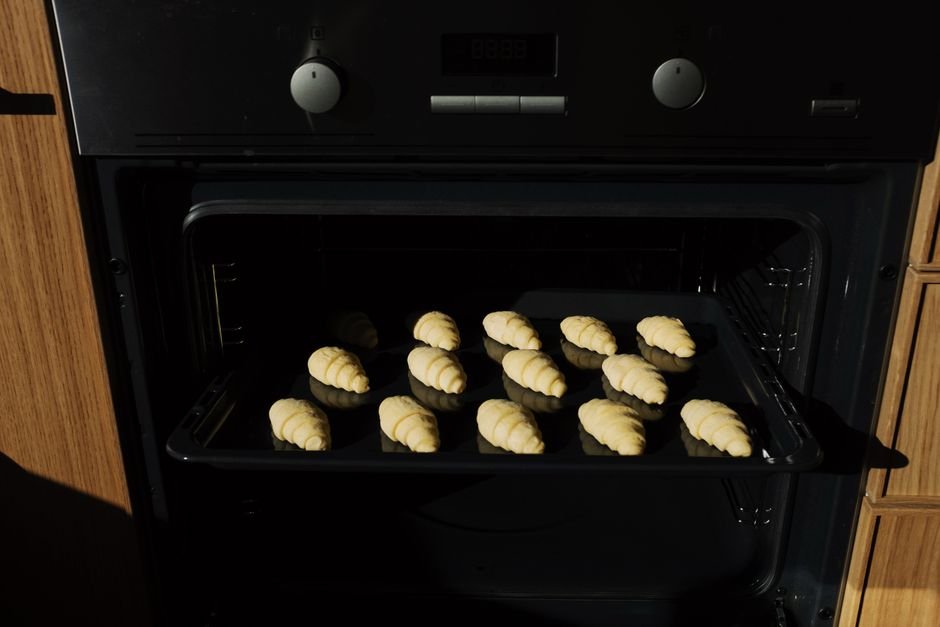
Cooking with a convection oven can reduce your cooking time by up to 25%. This appliance circulates hot air, providing even heat distribution and perfect browning. Let's explore how to harness its capabilities for better meals.
Understanding how convection cooking works is the first step. Unlike traditional ovens, convection ovens have a fan and an exhaust system that circulate hot air around food. This leads to quicker and more uniform cooking. Based on my experience, food cooks about 25% faster in a convection oven than in a conventional one.
With this increased efficiency comes the added possibility of achieving more consistent browning and crispiness.
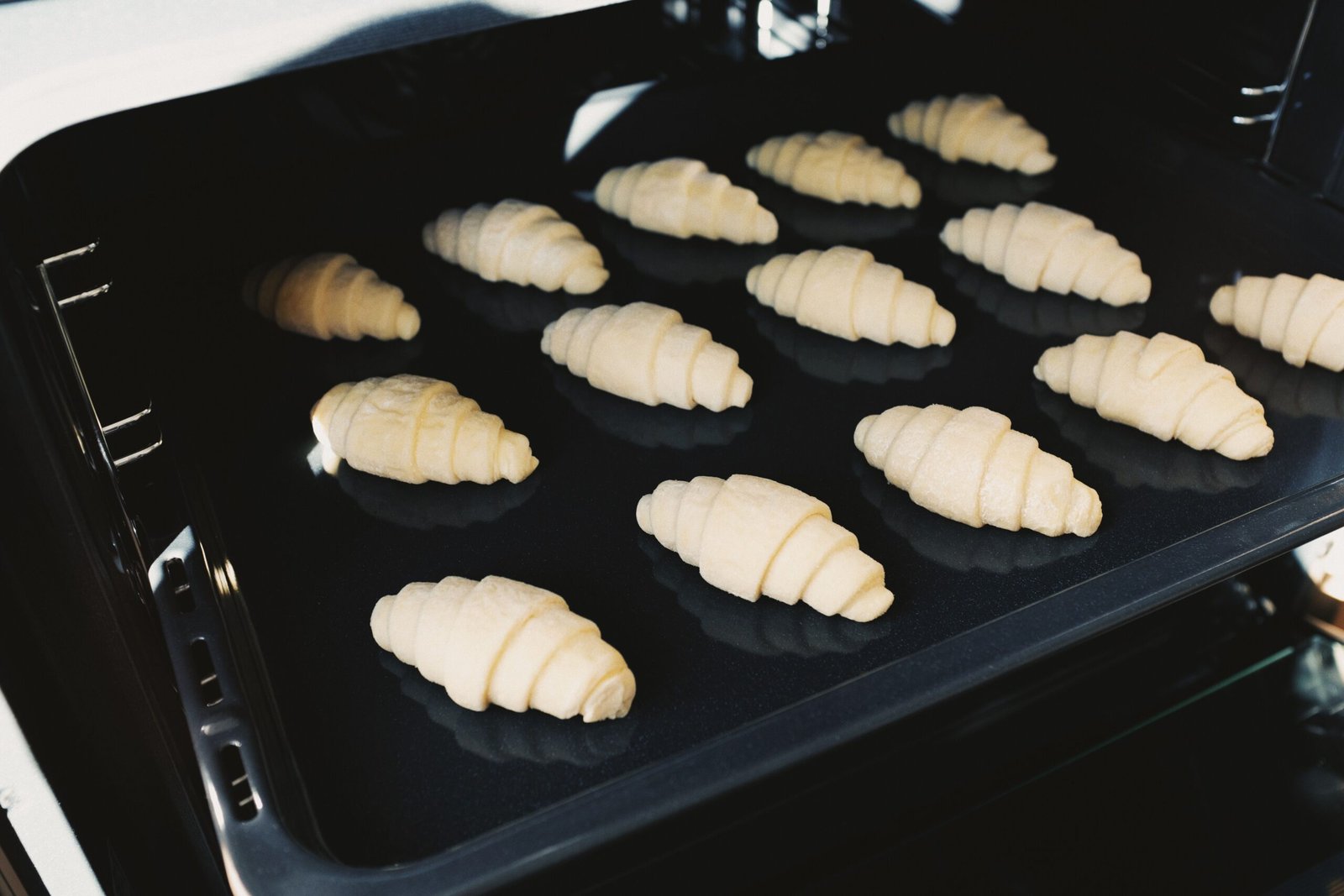
What Makes Convection Cooking Different?
The primary difference with convection cooking is the use of that fan, which helps maintain an even temperature throughout the oven. When I first started using my convection oven, I was surprised by how much hotter it feels, which can be a double-edged sword.
The air movement cooks food evenly, but it also means you need to reduce your cooking temperature by about 25 degrees Fahrenheit compared to conventional baking.
One aspect I love is how this method minimizes cooking time. For instance, a lasagna that normally takes an hour in a conventional oven can be ready in about 45 minutes in a convection oven. This is a game-changer for busy weeknights when time is of the essence.
Adjusting Recipes for Convection Ovens
Cooking with a convection oven often requires a few tweaks to your favorite recipes. Start by adjusting the cooking temperature and time. I usually decrease the temperature by 25 degrees and check for doneness a bit earlier than the original recipe suggests. This adjustment can help prevent overcooked meals, which is a common mistake when transitioning from a traditional oven.
Additionally, be mindful of how you arrange dishes in the oven. I recommend placing trays in the center of the oven for optimal air circulation. Avoid overcrowding; doing so can block airflow and hinder that magical even cooking. If you love baking, you might want to experiment with convection oven recipes like cookies or roasting vegetables, they turn out perfectly crispy!

Tips for Perfect Results
To further enhance your convection cooking experience, consider these tips. First, use shallow baking dishes. They help promote air movement, leading to crispier results. I also recommend using a meat thermometer. It’s a nifty tool that can prevent undercooking or overcooking meals. Aim for precise temperatures to get juicy chicken or impeccably baked bread.
Lastly, don’t hesitate to experiment. If you’re trying something new, note your adjustments for next time. The beauty of convection ovens lies in their versatility. They excel in both baking and roasting, so whether you’re whipping up pastries or a delectable roast, enjoy the process and adjust as you see fit.
Who Should Use a Convection Oven?
Anyone who enjoys cooking should consider using a convection oven. Whether you’re meal prepping for the week or hosting friends for dinner, this kitchen appliance prevails in efficiency. I find it especially useful for busy families who want to streamline dinner time. It’s a step away from the conventional and opens up a world of culinary adventures.
If you’re the type who loves experimenting with recipes, a convection oven might just be your best ally.
If you’re dealing with kitchen size challenges and think a standard oven is a must, consider reading about alternatives like mini ovens or toaster ovens. These have their benefits and can also fit into small kitchen spaces while offering useful functionalities.
Conclusion: Is a Convection Oven Worth It?
For those who prioritize efficiency, the Breville Smart Oven Air is an excellent choice, especially for tech-savvy cooks. If you prefer a budget option, the Oster Toaster Oven offers great performance for basic tasks. Each option caters to different cooking needs.
Frequently Asked Questions
Why does a convection oven cook faster?
A convection oven cooks faster because it uses a fan to circulate hot air around the food, which ensures even cooking and reduces cooking times. This efficient airflow allows for quicker heat transfer compared to traditional ovens.
What can you cook in a convection oven?
You can cook a wide variety of foods in a convection oven, including meats, vegetables, baked goods, and casseroles. It is particularly good for roasting and baking, as the even heat helps achieve a crispy texture.
How do you adjust baking time for convection ovens?
To adjust baking time for convection ovens, it is recommended to reduce the cooking temperature by about 25 degrees Fahrenheit and check for doneness a few minutes earlier than the recommended time for conventional ovens. This adjustment accounts for the more efficient heat distribution.
Is a convection oven better than a regular oven?
Whether a convection oven is better than a regular oven depends on your cooking needs. Convection ovens offer quicker cooking times and better browning, while regular ovens may be preferred for delicate baking or recipes that require stable heat.
Can you bake pastries in a convection oven?
Yes, you can bake pastries in a convection oven, and many bakers prefer them for achieving flaky layers and even browning. However, it may be beneficial to monitor the baking time closely, as pastries can cook faster in a convection environment. For further information on how to use a convection oven, check this link.




Leave a Reply