

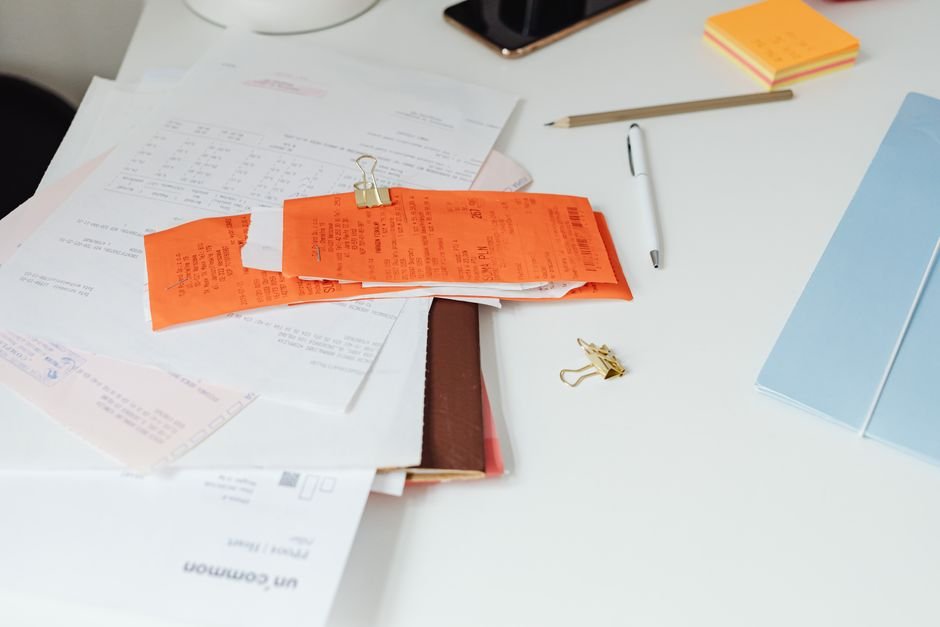
A staggering 40% of people admit to feeling overwhelmed by paper clutter in their home offices. This mess often hides important documents and reduces productivity. Understanding how to organize your paper documents effectively can save you time and frustration.
The right document storage solutions can save you time, space, and stress. Whether you’re tackling personal documents or paperwork for your work-from-home job, organizing your space effectively makes a world of difference. Here, I’ll outline practical tips that I’ve found invaluable in keeping my paper documents in check, ensuring that you can find what you need when you need it.

Creating an Effective Filing System
A well-structured filing system is the backbone of organizing paper documents at home. I began by categorizing my documents into distinct groups: financial records, medical files, work-related papers, and personal documents. This separation makes it easier to locate what I need without sifting through stacks of unrelated papers.
Investing in a quality filing cabinet is essential. I chose a secure, lockable cabinet that holds both standard and legal-size folders. This helps me avoid clutter while keeping sensitive documents safe. Label each folder clearly. Instead of generic labels, include the specific year or detail (e.g., “2023 Tax Returns” rather than just “Taxes”).
This way, you won’t waste time figuring out what’s in each folder.
Utilizing Digital Solutions
Paper can pile up quickly, but creating a digital backup for important documents significantly reduces physical clutter. Scan necessary documents using a scanner or a smartphone app. I use a cloud storage service that allows easy access to my papers from any device.
This way, if I need to refer to a file while traveling or working remotely, I can pull it up instantly without rummaging through stacks of paper at home.
Ditching extra copies is essential too. When you have a digital version, you can recycle or shred extra physical copies while still retaining all the necessary information. The more digital space you create, the clearer your physical space will feel.
Decluttering: What to Keep and What to Shred
Decluttering is as vital as organizing. Outdated or unnecessary documents only add chaos. Take some time to evaluate what to keep versus what to throw away. This often boils down to longevity and necessity; records such as tax returns should be kept for about seven years, while things like bank statements might only need to be held for a year’s time.
Shredding is a must for sensitive documents that don’t need to be retained. I find it liberating to clear out old paperwork. Get a shredder that can handle multiple sheets at once to make the job easier. I also keep a recycling bin nearby for non-sensitive papers, so I can sort as I go.

Maintaining Your Organization Over Time
Creating an organized home office is tougher than just initial setup; it requires regular maintenance. I’ve established a rule for myself: I review and manage my paperwork monthly. During this time, I sort through any new documents and add them to the right folder or digitize as needed. You’ll be surprised at how much paperwork can accumulate in just a few weeks.
In addition, make it a habit to check your filing system when you receive new papers. Incorporate a “one in, one out” policy if you find yourself overwhelmed; for every new document you keep, consider discarding or digitizing something else. This results in continuous decluttering.
Involving Your Family in Paper Management
If you share your home with family, involve them in the organization process. You might be surprised to find that a collective approach not only lightens your load but also helps everyone understand where to find important documents. Create a shared space or system for household documents, like bills or notices, where everyone knows to place items that require attention.
Setting clear rules about what should be kept and what can be recycled helps prevent future clutter. As your lifestyle changes, consider updating these strategies to adapt to new circumstances and to minimize unnecessary paper usage moving forward.
Worth reading alongside this: purifier vs dehumidifier.
Final Thoughts: Your Path to a Clutter-Free Office
I recommend establishing a three-tier filing system to manage your documents efficiently; use it for those who need quick access, while transitioning to digital storage for rarely used items. Regularly clearing out outdated paperwork will keep your space organized and functional.
Frequently Asked Questions
How can I organize my paper documents efficiently?
To organize your paper documents efficiently, start by sorting them into categories such as bills, medical records, and important legal documents. Use labeled folders or binders to keep each category together, and regularly review and purge unnecessary papers to maintain an organized system.
What are the best systems for storing documents at home?
The best systems for storing documents at home include using a filing cabinet with labeled folders, a portable filing box or even a dedicated shelf with binders. Choose a system that is easily accessible and allows you to locate documents quickly when needed.
Can I digitize my paper documents for home storage?
Yes, you can digitize your paper documents by using a scanner or a scanning app on your smartphone, turning physical paperwork into digital files. This helps save space at home and allows for easier organization and retrieval of documents.
Why is it important to organize paper documents at home?
Organizing paper documents at home is important to ensure easy access to important information, reduce clutter, and maintain peace of mind. A well-organized system helps prevent the loss of critical documents and can save time when searching for specific papers.
What tools help in organizing home documents effectively?
Tools that help in organizing home documents effectively include file cabinets, binders, label makers, and document trays. Additionally, apps and scanner software for digitizing papers can further streamline the organization process.
For more tips on how to organize paper documents at home, consider checking out additional resources.




Leave a Reply