

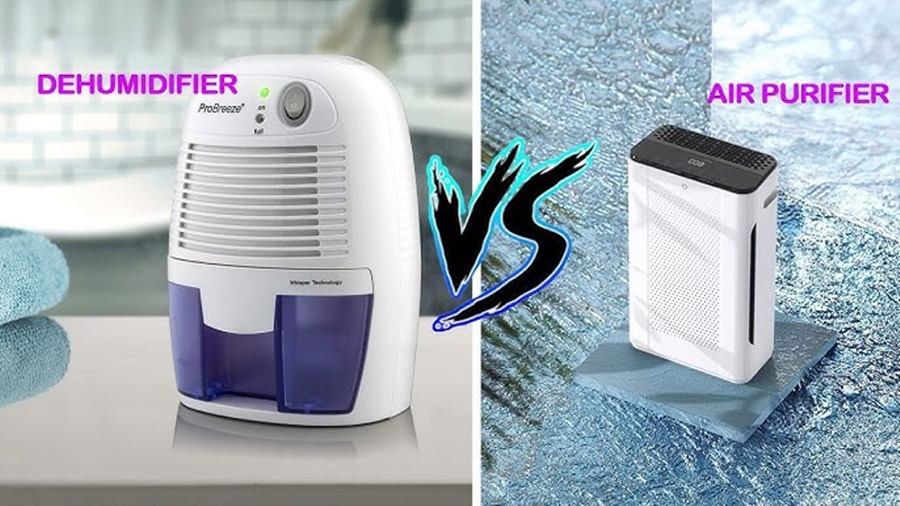
Two common devices designed to improve indoor conditions are air purifiers and dehumidifiers. Indoor air quality plays a major role in maintaining a healthy and comfortable living environment. Many homeowners struggle with issues such as dust, allergens, mold growth, unpleasant odors, and excess moisture. While both contribute to a healthier home, they serve very different purposes.
Understanding the differences between an air purifier and a dehumidifier can help you choose the right device for your specific needs. This article explores how each device works, their benefits, key differences, and how to determine which one is best for your home.

What Is an Air Purifier?
An air purifier is a device designed to remove airborne contaminants from indoor air. It works by drawing air through a series of filters that capture particles and pollutants before releasing cleaner air back into the room.
Air purifiers are commonly used to reduce:
- Dust and dust mites
- Pollen
- Pet dander
- Mold spores
- Smoke particles
- Airborne bacteria
- Odors and volatile organic compounds (VOCs)
Most modern air purifiers use HEPA (High-Efficiency Particulate Air) filters, which can capture up to 99.97% of particles as small as 0.3 microns.
Benefits of an Air Purifier
Improves Air Quality
Air purifiers remove harmful particles and pollutants, creating cleaner and healthier indoor air.
Reduces Allergies
People suffering from allergies often experience relief because allergens such as pollen, dust, and pet dander are filtered from the air.
Eliminates Odors
Many air purifiers include activated carbon filters that absorb cooking smells, pet odors, smoke, and chemical fumes.
Helps Asthma Sufferers
Cleaner air may reduce asthma triggers and improve breathing comfort.
Removes Fine Particles
Air purifiers are particularly effective at capturing microscopic particles that are invisible to the naked eye.
What Is a Dehumidifier?
A dehumidifier is a device that removes excess moisture from the air. It works by drawing humid air into the machine, extracting water, and then releasing drier air back into the room.
Dehumidifiers are commonly used in areas with high humidity levels, such as:
- Basements
- Bathrooms
- Laundry rooms
- Kitchens
- Coastal homes
- Poorly ventilated spaces
The extracted water is collected in a tank or drained through a hose.
Benefits of a Dehumidifier
Reduces Humidity Levels
Maintaining indoor humidity between 30% and 50% helps create a more comfortable environment.
Prevents Mold Growth
Mold thrives in damp conditions. By lowering moisture levels, dehumidifiers help prevent mold and mildew.
Protects Furniture and Electronics
Excess moisture can damage wooden furniture, electronics, books, and other household items.
Reduces Musty Odors
Damp environments often develop unpleasant smells. A dehumidifier helps eliminate these odors by controlling moisture.
Discourages Dust Mites
Dust mites thrive in humid environments. Lower humidity levels make it harder for them to survive.
Key Differences Between Air Purifiers and Dehumidifiers
| Feature | Air Purifier | Dehumidifier |
|---|---|---|
| Primary Purpose | Removes airborne pollutants | Removes excess moisture |
| Improves Air Quality | Yes | Indirectly |
| Controls Humidity | No | Yes |
| Removes Dust and Allergens | Yes | Limited effect |
| Prevents Mold Growth | Removes mold spores | Reduces moisture that causes mold |
| Removes Odors | Yes, with carbon filters | Helps reduce damp odors |
| Suitable for Allergy Sufferers | Highly effective | Somewhat helpful |
| Suitable for Damp Areas | Not specifically | Highly effective |
When Should You Choose an Air Purifier?
An air purifier is the better choice if your main concerns include:
- Allergies
- Asthma symptoms
- Pet hair and dander
- Dust accumulation
- Smoke particles
- Air pollution
- Household odors
For example, if you live in a city with poor air quality or have pets in your home, an air purifier can significantly improve indoor air cleanliness.
When Should You Choose a Dehumidifier?
A dehumidifier is ideal if you experience:
- High indoor humidity
- Condensation on windows
- Damp walls
- Mold growth
- Musty smells
- Moist basements
If your home feels sticky or humid, especially during warm weather, a dehumidifier can make your living space more comfortable and help prevent moisture-related problems.
Can You Use Both Together?
Yes, many homeowners use both devices simultaneously. Since they address different issues, they can complement each other effectively.
For example:
- An air purifier removes airborne allergens, dust, and pollutants.
- A dehumidifier controls moisture levels and prevents mold growth.
Together, they create a healthier indoor environment by tackling both air contamination and humidity issues.
Which Device Is Better for Mold?
This depends on the situation.
An air purifier can capture mold spores that are already floating in the air, reducing their spread throughout the home.
A dehumidifier addresses the root cause by lowering humidity levels that allow mold to grow.
For serious mold concerns, using both devices provides the best results. It’s important to understand the Air Purifier vs Dehumidifier debate when assessing your needs.
Energy Consumption Comparison
Air purifiers generally consume less electricity because they primarily operate fans and filters.
Dehumidifiers usually use more energy because they rely on refrigeration technology to remove moisture from the air.
If energy efficiency is a priority, compare the power ratings and energy certifications before purchasing either device.
Cost Comparison
Air Purifier Costs
- Typically lower operating costs
- Requires periodic filter replacement
- Cost varies depending on room size and filtration technology
Dehumidifier Costs
- Often higher electricity consumption
- Requires emptying the water tank or setting up drainage
- May require occasional maintenance and cleaning
Long-term costs depend on usage frequency and the size of the area being treated.
Factors to Consider Before Buying
Before choosing between an air purifier and a dehumidifier, consider:
Room Conditions
Determine whether poor air quality or excessive humidity is the primary issue.
Health Concerns
People with allergies, asthma, or respiratory conditions may benefit more from an air purifier.
Climate
Homes in humid climates often benefit greatly from dehumidifiers.
Room Size
Choose a device that is appropriately rated for the size of the room.
Maintenance Requirements
Air purifiers require filter replacements, while dehumidifiers require regular water tank maintenance.
Conclusion
Air purifiers and dehumidifiers are both valuable tools for improving indoor comfort and health, but they serve different functions. An air purifier removes airborne pollutants such as dust, pollen, smoke, and pet dander, making it ideal for improving air quality and reducing allergy symptoms. A dehumidifier removes excess moisture from the air, helping prevent mold growth, musty odors, and humidity-related damage.
If your primary concern is cleaner air, choose an air purifier. If excess moisture is causing problems in your home, a dehumidifier is the better option. In many cases, using both devices together provides the most comprehensive solution for maintaining a healthy indoor environment.





Leave a Reply