

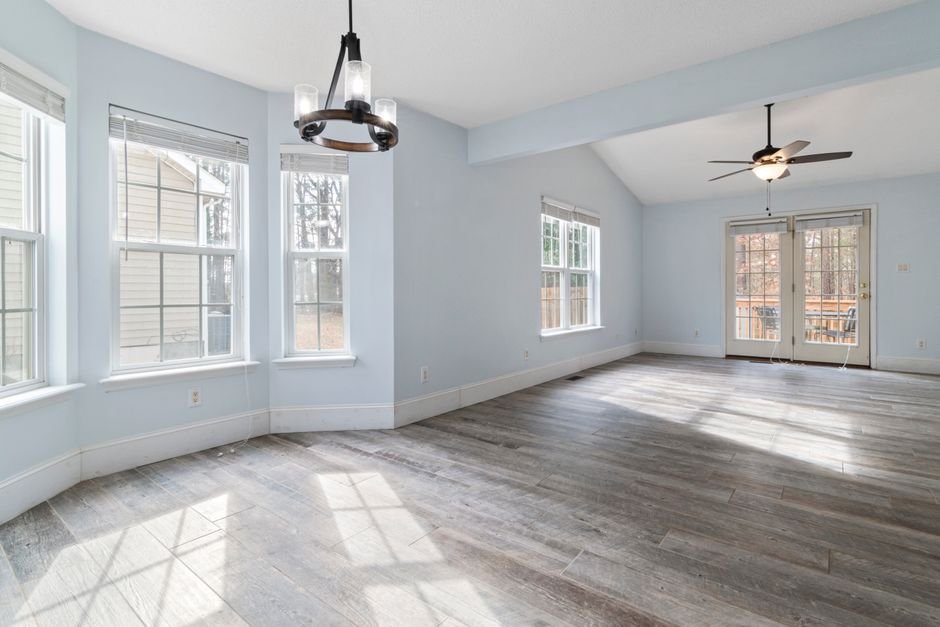
Home renovations typically involve a significant financial investment, with flooring options averaging between $2 to $15 per square foot. With numerous choices available, like hardwood, tile, luxury vinyl, and laminate, it’s easy to get lost in the details. However, understanding a few key principles can simplify your selection process.
To pick the right flooring, start by considering your lifestyle and the room’s function. For instance, heavy foot traffic requires different flooring than a cozy bedroom. Throughout my research, I’ve learned that understanding these factors makes narrowing down the options much simpler.
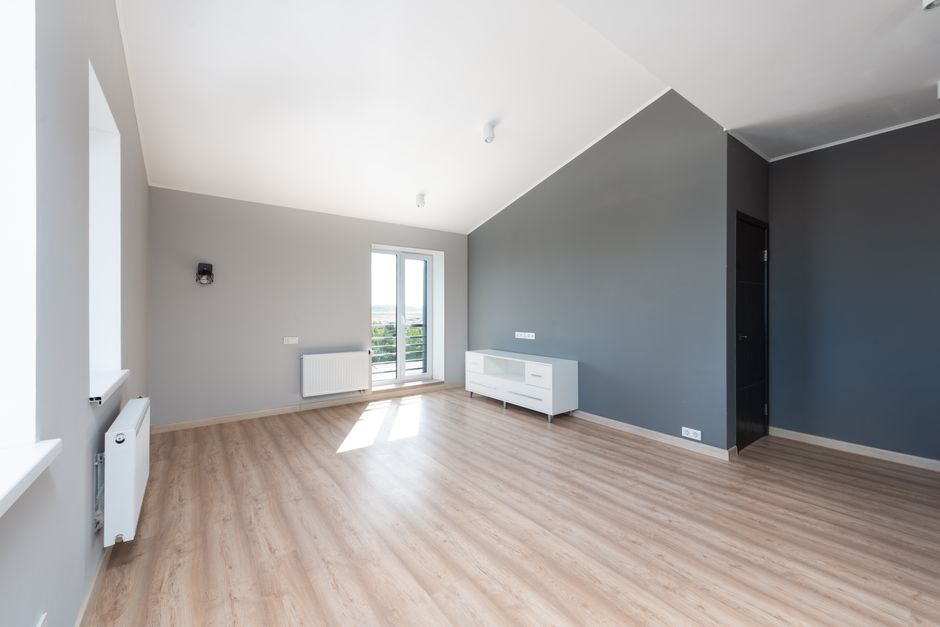
Assessing Durability Needs for Your Space
When selecting flooring, durability is a key factor. Rooms like kitchens and bathrooms usually see more moisture and spills, so sturdy materials like tile and luxury vinyl are often recommended. Luxury vinyl is waterproof and resilient, which makes it a strong contender for these areas. For instance, it can absorb spills without warping or wearing down easily.
On the other hand, hardwood flooring adds elegance but isn’t always suitable for areas prone to water exposure unless properly sealed. In my view, you’ll want to opt for materials that stand up to the expected wear and tear of each space. If you have young children or pets, durability goes to the forefront of your selection criteria.
Aesthetic Preferences
Your style should influence your choice as much as practicality. Hardwood floors generally scream warmth and sophistication, with variations like oak and maple offering different visual textures. If your aesthetic leans towards sleek, modern designs, maybe tile or luxury vinyl is more suited. Both can mimic natural materials while providing a more uniform, seamless look.
If you’re considering resale value, hardwood floors typically have broader appeal and can enhance the overall value of your home. This is particularly crucial if you’re planning to sell soon. My inclination is to lean towards aesthetics that align with both current trends and timeless designs to ensure longevity in appeal.

Breaking Down Flooring Types and Materials
Each flooring type comes with specific advantages and drawbacks that can affect your decision. For example, hardwood flooring can last decades with proper care but comes with high maintenance needs. According to my experience, you’ll need to refinish hardwood every few years to maintain its beauty.
Luxury vinyl, on the other hand, is an excellent alternative that’s practically maintenance-free and often costs less. It’s available in styles mimicking everything from wood planks to stone tiles. However, be wary of lower-quality options, as they can fade or scratch easily. So, it’s crucial to check the durability ratings before making a final choice.
Budget Considerations: What You Get for Your Money
Your budget will heavily influence your flooring decision. While hardwood can cost significantly more upfront, around $8 to $15 per square foot installed, laminate can be as low as $2 to $5 per square foot. However, it’s worth noting that while laminate is budget-friendly, it typically lacks the same lifespan as hardwood.
In an average-sized room, if you’re considering 200 square feet, you might spend anywhere from $400 to $3,000 just on flooring material. So, it’s important to not only calculate the immediate expenses but also consider long-term value. If you’re willing to invest more now for better longevity, hardwood might be worth the splurge.
Installation and Maintenance: Ease and Costs
Don’t forget to account for installation costs and required maintenance. Some floors, such as tile, require more complex installation processes and can drive overall costs up. If you’re a DIY enthusiast, you might consider laminate, which is often easier to install and perfect for hands-on projects.
Moreover, certain floors like tile and vinyl require less ongoing maintenance compared to hardwood, which demands periodic refinishing and careful cleaning procedures. From my experience, opting for low-maintenance materials can save you both time and money in the long run.
Final Verdict: Which Flooring Takes the Lead?
I recommend luxury vinyl for homeowners focused on low maintenance and water resistance; it offers durability and style at a reasonable price point. For those who prefer a timeless and sophisticated finish, hardwood is the best choice but requires more upkeep and a higher budget. For functionality in moisture-heavy areas like kitchens and bathrooms, how to pick the right flooring for your home renovation remains the superior option.
Our write-up on organized living picks up where this leaves off.
Frequently Asked Questions
What is the most durable type of flooring?
Porcelain tile is considered one of the most durable types of flooring, as it is resistant to scratches, stains, and moisture. It is ideal for high-traffic areas and can withstand heavy usage without significant wear.
How do I choose the right flooring color?
When choosing flooring color, consider the overall color palette of your home and the mood you want to create. Lighter colors can make a space feel larger and brighter, while darker shades can add warmth and coziness.
Is laminate flooring a good choice for living rooms?
Yes, laminate flooring is a good choice for living rooms due to its affordability, variety of designs, and ease of maintenance. It mimics the look of wood or stone while being durable enough to handle foot traffic.
Why is hardwood flooring so popular?
Hardwood flooring is popular because of its timeless aesthetic, durability, and ability to increase home value. It offers a warm and inviting atmosphere and can be refinished multiple times to maintain its appearance.
Can I install new flooring over existing tile?
Yes, you can install new flooring over existing tile, but it’s important to ensure the tile is in good condition and level. This can save time and effort in removing the old flooring, but consider the height difference with trim and transitions.



Leave a Reply