

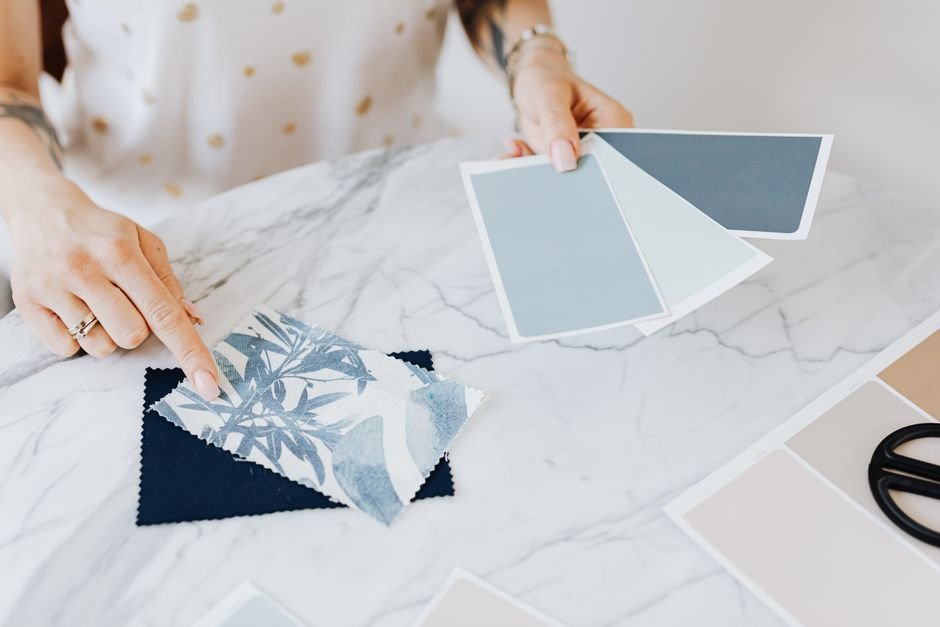
Choosing paint colors for your home renovation can significantly impact your spending, as a new color scheme can add thousands to your home’s value. To avoid feeling lost in the decision-making process, it’s crucial to recognize how different colors can affect the perception of space and mood.
Armed with this knowledge, you can create a color palette that complements your home’s architecture and suits your personal taste.
Here are seven effective ways I’ve learned to navigate the process of selecting paint colors that not only suit your taste but also make your home feel warm and inviting.

1. Consider the Space’s Purpose
Before you choose a color, think about how you’ll use the room. Each space serves different functions; a bedroom should evoke calmness, while a kitchen might benefit from a more energizing hue. Choosing paint colors that align with these purposes helps set the desired mood. For instance, soft blues or greens work well in bedrooms, while yellows or vibrant whites can brighten a kitchen.
Tip: Look at a color wheel to find complementary colors that can enhance your room’s purpose.
2. Understand the Psychology of Colors
Colors can significantly impact our emotions and behaviors. Warm colors like reds and oranges can energize and inspire creativity, making them suitable for playrooms or home offices. Cooler colors, such as blues and greens, create a sense of tranquility, ideal for relaxation areas. Knowing the emotional influence of colors helps ensure that your paint choices promote the atmosphere you desire.
Tip: Test colors in small patches on the wall and observe the effects at different times of the day.
3. Create a Cohesive Color Palette
Developing a cohesive color palette across different rooms in your home maintains visual continuity. Consider choosing a dominant color and a few complementary shades. This approach will make the transitions between rooms feel seamless. For example, if you decide on a soft gray, try pairing it with warmer tones in adjoining spaces to create a balanced aesthetic.
Tip: Use online tools to visualize how different colors work together before committing to paint purchases.
4. Account for Natural Light
The amount of natural light entering a room will significantly affect how paint colors appear. Spaces with abundant sunlight can handle richer, bolder hues without feeling dark or overpowering. In contrast, rooms with limited natural light typically benefit from lighter colors that can help create brightness and an illusion of spaciousness. Pay attention to how your chosen colors change under different lighting conditions.
Tip: Observe how the color looks at various times of day to ensure it fits well with the room’s natural light.
5. Sample the Paint First
Never underestimate the importance of testing paint colors before making a final decision. Purchasing small sample pots allows you to apply swatches directly to your walls and see how well they blend with furniture and other decor. This step can prevent costly mistakes down the line and gives you a clearer idea of the finished look.
I always recommend sampling at least three shades to see what truly resonates with you.
Tip: Paint larger patches to better visualize how the color interacts with your room’s size and decor.
6. Think About Paint Finishes
Choosing the right paint finish can dramatically affect the appearance of your color. Matte finishes can give a sophisticated look but are less durable and harder to clean. On the other hand, satin and semi-gloss finishes are more forgiving, reflecting light and standing up better to wear and tear, especially in high-traffic areas.
Knowing what finish works best for each room enhances both the aesthetics and functionality.
Tip: For kitchens and bathrooms, opt for finishes that are easy to wipe clean, like satin or semi-gloss.
7. Incorporate Accent Colors Strategically
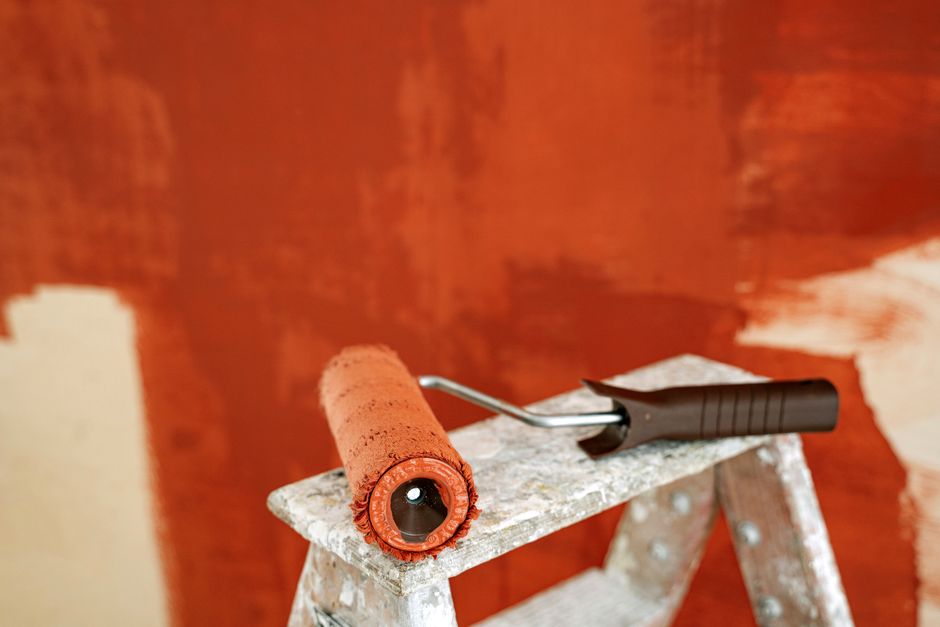
Accent colors are an excellent way to add interest to your space without overwhelming the overall aesthetic. These can be used on a single wall, in decorative elements, or even in furniture. A bold color in the right context can serve as a focal point. For instance, painting an accent wall in a rich navy can draw attention without detracting from the room’s overall harmony.
Tip: Pair an accent wall with decor in similar or complementary shades to ensure coherence.
How to Choose
For a balanced look, consider using neutrals in high-traffic areas while opting for bolder shades in less visited spaces like bedrooms or home offices. Testing samples on your walls can make a big difference, helping you visualize how each color interacts with the lighting and furnishings. Take the time needed to refine your choices, as a well-thought-out palette will enhance your living environment. If you want to learn more about how to choose paint colors for home renovation, check out this guide.
We cover easy travel in more depth separately.
Related reading: home office organization.
Frequently Asked Questions
How do I choose paint colors for each room?
Start by considering the function of each room, as this will influence your color choice. Look for inspiration in furniture, artwork, or fabrics already in the space, and test samples on your walls to see how they look at different times of day.
What are popular paint colors for home interiors?
Neutral colors like soft grays, beiges, and whites are popular for creating versatile backdrops. Additionally, earthy tones and muted pastels are trending for adding subtle warmth and character without overwhelming a space.
How can paint colors affect mood?
Colors can significantly influence how a space feels; for example, blues and greens are often calming, making them ideal for bedrooms. On the other hand, warm colors like red or yellow can energize a room, making them suitable for social areas like kitchens and living rooms.
Is it better to use light or dark paint colors?
Light colors can make a room feel larger and more open, while dark colors create a cozy and intimate atmosphere. The choice between light and dark ultimately depends on the room’s size, lighting, and the mood you wish to create.
Can I mix different paint colors in my home?
Yes, mixing different paint colors can create visual interest and define spaces within an open floor plan. It’s essential to maintain cohesion by selecting colors that complement each other and follow a common theme throughout your home.





Leave a Reply