

Around 50% of people feel overwhelmed by the clutter in their homes, mistakenly believing that decluttering means getting rid of everything they love. You can maintain your prized travel items while still creating an organized space that feels inviting and functional. The key is finding harmony between personal treasures and minimalism.
To effectively declutter your home, start with a strategy that acknowledges your travel habits. You should create a space that encourages minimalism without sacrificing the items that bring joy and adventure into your life. Let’s look at a few critical steps to streamline your belongings, transform your space, and make room for those cherished items.

Assessing Your Current Space
Begin by taking a close look at each room in your home. A practical approach is to tackle one space at a time. For instance, if you start with your bedroom, review every item on your dresser, in your closet, and under the bed.
You might think you have only a few items in there, but you may uncover several travel-related items that you haven’t used in months.
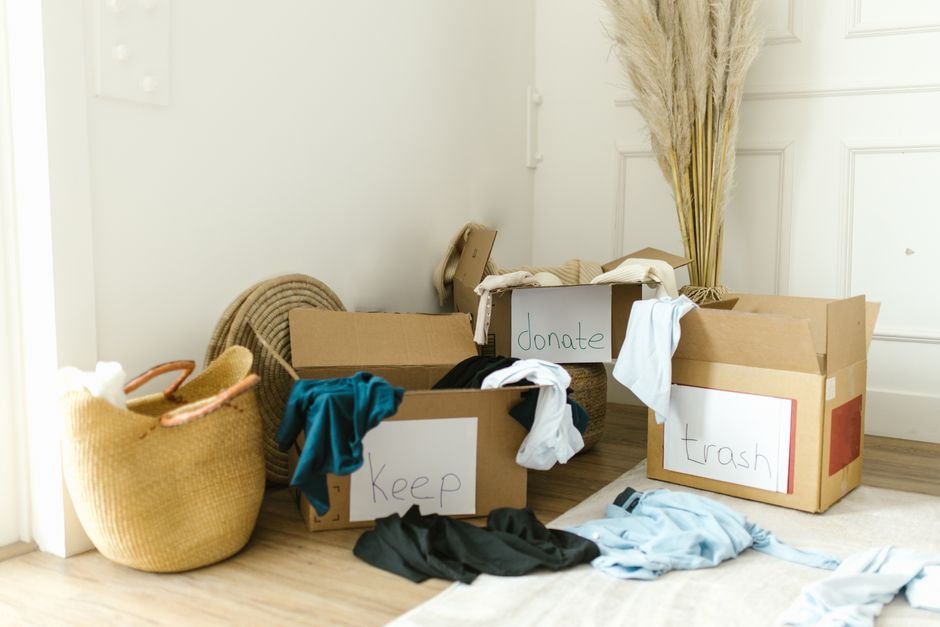
To determine what stays and what goes, ask yourself practical questions. Will you use this item in the next year? Does it fit with your vision for a clutter-free space? As you sift through your travel gear, keep in mind that not everything needs to stay. While deciding, make separate piles for keep, toss, and donate. This process can provide clarity and keep you motivated.
Creating Storage Solutions
Once you’ve decided what to keep, it’s time to find effective storage solutions. Consider using clear plastic bins for seasonal items such as winter jackets or travel accessories like suitcases and backpacks. Label each bin, making it easier to locate the items you need. My personal favorite is to use a combination of decorative baskets that can double as décor and storage.
Additionally, think vertically. Install shelves in closets or use over-the-door hooks on room doors to make wise use of space. These methods keep your essential items visible and accessible while maintaining a minimal aesthetic. Your travel gear deserves a dedicated spot that reflects your love for adventure without overwhelming your home.
Travel Essentials You Should Keep
As you declutter, consider the travel gear that genuinely serves you. Essential items might include a sturdy suitcase trusted travel documents, and a well-used backpack. Anything that aids your travel experience, yet collects dust at home, may not be essential. Limit your collection to just a few meaningful items that evoke positive memories.
This doesn’t mean you have to part with everything in your closet. However, it suggests a more mindful approach. Maybe you should keep a couple of pieces that have personal significance while letting go of duplicates or items you rarely use. You would be surprised at how liberating it feels to let go of excess baggage, so don’t hesitate to release the clutter.

Implementing Cleaning Hacks
Effective decluttering goes hand in hand with cleaning. While you streamline your belongings, also consider implementing cleaning hacks to maintain that fresh space. For example, tackle one cleaning task at a time and give yourself a set timeframe (like 20 minutes) to deal with the space. This will keep you focused and ensure you don’t feel overwhelmed.
In my experience, using multi-surface cleaners saves time. A one-stop solution for counters, tables, and even your travel bags can cut cleaning time in half. Also, dedicate a small bin at your front entrance for easily accessible travel essentials, like sunglasses or a travel guidebook. This promotes organization and reduces the chances of clutter creeping back in.
Fostering a Minimalistic Mindset
Lastly, embrace minimalism as a lifestyle choice rather than a one-time project. Minimalism isn’t just about having fewer things; it’s about appreciating what you possess and being conscientious about future purchases. Every time you think about acquiring something new, consider if it truly adds value to your life.
This mindset applies to both your home and your travel experiences. Prioritize quality over quantity. Are you intrigued by a gadget that seems essential but will likely gather dust? Think twice before making the purchase. By adopting this approach, you’ll maintain a clutter-free home and an organized travel experience.
Final Recommendations: Own Your Space
The process of decluttering goes beyond merely getting rid of items. It’s a purposeful journey toward owning your space and letting only what truly matters remain. Remember that adventure does not necessitate excess. Feel free to keep your beloved travel gear, but ensure it actively contributes to your enjoyment of life, both at home and beyond. If you’re looking for more guidance on how to declutter your home, consider exploring various techniques that can further enhance your decluttering journey.
For more tips on keeping your home clean and organized, check out my guide on How to Vacuum Efficiently Room by Room for a Spotless Home and if you want to enhance your kitchen efficiency while keeping it tidy, I recommend reading How to Organize Your Kitchen for Maximum Efficiency.
There is more on hepa filter elsewhere on the site.
Frequently Asked Questions
What is the best way to start decluttering?
The best way to start decluttering is to choose a specific area or room to focus on, rather than trying to tackle your entire home at once. Begin by sorting items into categories: keep, donate, and discard, and allocate time to work on this task consistently.
How can decluttering improve your life?
Decluttering can improve your life by creating a more organized and stress-free living environment, which can enhance mental clarity and productivity. It also allows you to better appreciate the items you truly value, leading to a greater sense of control and well-being.
Is there a decluttering checklist to follow?
Yes, a decluttering checklist can be extremely helpful; it typically includes steps like tackling one room at a time, setting specific time limits, and breaking down areas into smaller tasks. Lists may also feature categories like clothing, kitchen items, or sentimental objects, guiding you through the process systematically.
Can decluttering help save money?
Decluttering can help save money by allowing you to identify items you no longer use or need, which can be sold to generate extra cash. Additionally, having a clear space can prevent you from purchasing duplicates of items you already own, enabling better financial management.
Why does decluttering feel so hard?
Decluttering often feels hard because it involves making emotional decisions about items that may hold sentimental value or memories. Additionally, the overwhelming task of facing accumulated belongings can induce stress and procrastination, making it challenging to get started.



Leave a Reply