

Smart home automations can reduce energy bills by up to 30%, particularly when you're not at home. By putting these systems in place, you can effectively curb energy waste and keep an eye on your consumption remotely. Here are seven automation strategies that have proven successful in driving down energy costs while you're away.
These tips are perfect for anyone who wants to keep their utility bills in check while ensuring their home remains safe and efficient. Whether you’re a tech novice or an experienced user, you’ll find something that suits your needs.
1. Install a Smart Thermostat
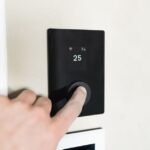
A smart thermostat is a game-changer in energy management. It learns your routine, adjusting heating and cooling to when you are actually home. I found that models equipped with geofencing can even modify the temperature settings based on your location, so your home isn’t wasting energy while you’re away. This energy-efficient appliance is best for those who spend time away from home regularly.
To get started, choose a model that connects to your Wi-Fi and can be controlled via a mobile app. Once installed, connect it to your home’s HVAC system following the manufacturer’s instructions, or hire a professional for a quick setup.
2. Utilize Automated Lighting Systems
Automated lighting systems are another smart way to cut down on energy usage. By setting schedules or utilizing motion sensors, you can easily ensure that lights are only on when needed. I’ve noticed that using timers helps simulate occupancy, which can deter potential intruders while saving electricity. This option suits anyone who frequently travels or simply wants added convenience.
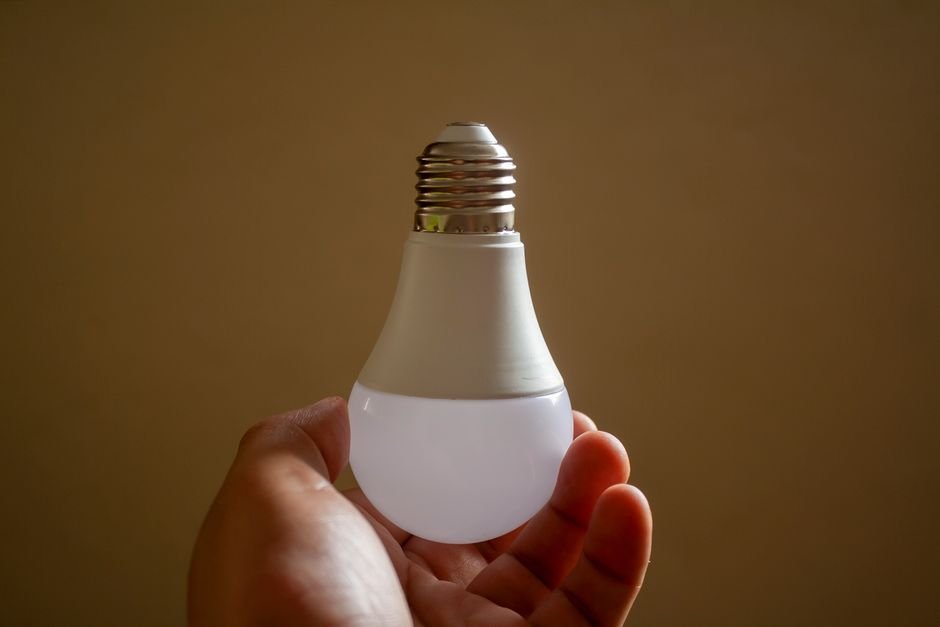
If you don’t want to replace your existing light fixtures, consider smart bulbs that can be controlled via an app. Install them in the areas you use most, such as the living room or kitchen, and program them according to your schedule.

3. Integrate Solar Energy Solutions
If you’re interested in long-term savings, consider integrating solar energy solutions into your home. Though the initial investment can be sizable, the reduction in energy bills over time can be substantial. I’ve heard from many homeowners that even having solar panels can allow you to sell excess energy back to the grid.
This option works best for those who have plans for long-term home ownership.
To maximize your investment, consider pairing solar panels with a battery storage system. This way, you can store excess energy for use during peak hours, ensuring you get the most out of your installation.
4. Employ Smart Plugs for Appliances
Smart plugs are an often-overlooked but essential part of energy savings. They allow you to monitor and control energy usage from various devices through an app. I’ve found they are particularly advantageous for items like coffee makers or fans that can be accidentally left on. This automation is excellent for those who want to ensure every appliance is energy-efficient while they’re away.
To use smart plugs, simply plug them into an outlet and connect your devices. Set schedules for when devices should turn on or off to avoid unnecessary energy expenses.
5. Schedule Power for Smart Devices
Many smart devices come equipped with scheduling options or can function based on your preferences. For example, setting your smart heater to turn off while you’re gone and back on shortly before your arrival can save significant electricity. This feature is great for tech-savvy users who enjoy maximizing their energy efficiency without losing comfort.
Take the time to explore the app settings of your smart devices. You may be surprised at how detailed and customizable your scheduling options can be.
6. Leverage Remote Monitoring Systems
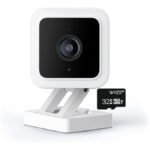
Investing in a remote monitoring system can help you track energy usage in real-time from your smartphone. This means you can instantly see which devices are consuming unnecessary energy and take action, whether you’re home or away. Having this capability is particularly useful for anyone who struggles with energy management during trips.
Many systems come with features that alert you to any faulty appliances or unusual spikes in energy consumption. Setting specific alerts can help you tackle small issues before they escalate into bigger problems.
7. Optimize Your HVAC System with Zoning
If you have a larger home, implementing zoning in your HVAC system can lead to substantial energy savings. By heating or cooling only specific areas of your home based on actual need, you reduce the workload on your system. This approach works wonders for families who spend most of their time in certain rooms while other spaces remain unoccupied.
It’s a smart choice for anyone looking to optimize energy use.
To implement zoning, you’ll generally need a qualified technician to install dampers in your ductwork that can be controlled by your smart thermostat. This upfront investment often pays off quickly through reduced utility bills.
How to Choose
When considering which smart home automations are right for you, start by evaluating your daily routines and habits. Identify areas where you may be wasting energy and prioritize solutions tailored to those aspects. The key is to create a cohesive system that benefits your lifestyle and enhances your home’s efficiency.
It’s also vital to ensure that any new automation integrates well with your existing systems. Check compatibility before purchasing to avoid unnecessary headaches down the road. If you are unsure about any automations, I recommend reading more on upgrading your home with smart devices as it offers insights that can simplify your decisions.
For further guidance, consider exploring smart home automations for energy savings.
See also our take on carpet cleaning solutions.
There is more on best home elsewhere on the site.
Frequently Asked Questions
How does smart home automation save energy?
Smart home automation saves energy by optimizing energy use through intelligent scheduling, remote control, and real-time monitoring. Devices can automatically adjust settings based on occupancy or time of day, ensuring that energy is only used when necessary.
What are the best smart home devices for saving energy?
The best smart home devices for saving energy include smart thermostats, energy-efficient smart bulbs, smart plugs, and home energy monitors. These devices can help manage and reduce energy consumption effectively.
Can smart thermostats significantly reduce energy bills?
Yes, smart thermostats can significantly reduce energy bills by learning the homeowner's schedule and adjusting heating and cooling accordingly. They can also be controlled remotely, allowing for better temperature management when away from home.
Why is energy efficiency important in smart homes?
Energy efficiency is important in smart homes because it reduces overall energy consumption, lowers utility costs, and decreases environmental impact. Efficient energy use contributes to sustainability and enhances the comfort level of the home.
Is smart home automation worth the investment for energy savings?
Smart home automation is typically worth the investment for energy savings, as the initial costs are often offset by the reduction in energy bills over time. Additionally, many smart devices offer increased convenience and improved home management.
Leave a Reply