

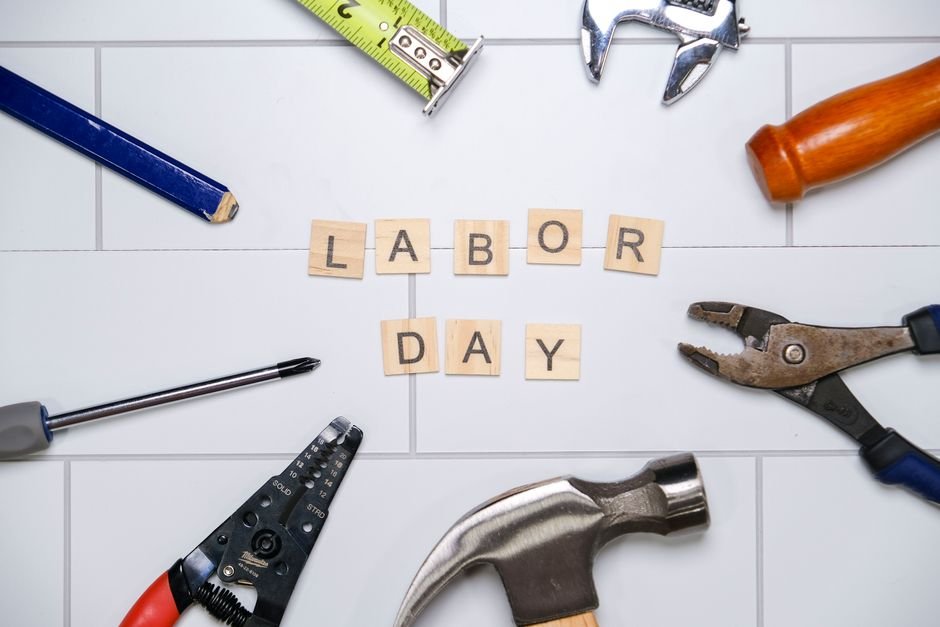
About 30% of homeowners end up spending more on repairs due to using the wrong tools. A toolbox filled with mismatched items can turn simple jobs into expensive headaches. To successfully manage home repairs, having the proper tools is essential, so here's what you need to get started.
The first step in equipping yourself for home repairs is investing in a reliable toolbox. A sturdy toolbox not only organizes your tools but also makes them easily accessible when you need them. Based on my experience, a metal toolbox is preferable due to its sturdiness, while also being lightweight enough to carry around. Now, let’s break down the essential tools you’ll want to include.
Your Essential Toolbox Starts Here
First up, a good-quality screwdriver set is crucial. I recommend getting a set that includes both Phillips and flathead screwdrivers in various sizes. You may think you can get by with just one or two, but having a variety means you’re prepared for any screw you encounter.
Trust me, you’ll thank yourself later when you don’t have to run to the store to buy a specific size that you didn’t anticipate needing.
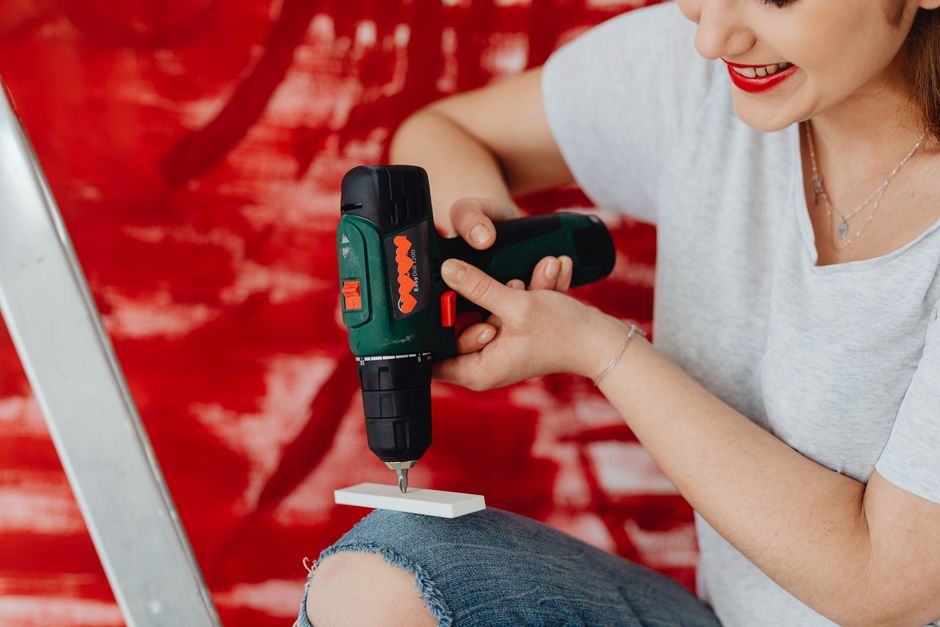
Next, you need a reliable drill. A cordless drill is my go-to because it offers the freedom to work anywhere without being tethered to an outlet. Look for one with multiple speed settings and a good battery life. This is invaluable for many tasks, such as hanging shelves or assembling furniture. You’ll just find yourself reaching for it more than you think.
- Prioritize a good-quality drill.
- Go for a screwdriver set with varied sizes.
- Include high-quality drill bits for versatility.
Pliers and Wrenches: Two More Must-Haves
Pliers are another essential tool that often get overlooked. A set that includes needle-nose pliers, slip-joint pliers, and wire-cutting pliers is ideal for any DIYer. You’ll find needle-nose pliers handy for those tight spaces, while slip-joint pliers can tackle various sizes of pipes and fittings. You definitely need these to make your life easier during home repairs.
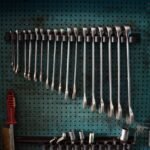
Alongside pliers, you can’t skip mounting wrenches. A small socket set is perfect when adjusting or tightening nuts and bolts. Instead of fiddling around, having the right wrench will save you time and effort, especially during complicated setups or repairs. When both tools are in hand, you’ll feel like a pro.
- Get a plier set with multiple types.
- Don’t neglect a good socket set.
Adding the Finishing Touches to Your Toolbox
When you’re considering the finer details of your toolbox, don’t overlook the importance of a good tape measure. A 25-foot tape is standard and versatile enough for most jobs, whether you’re measuring for new furniture or checking space for home renovations. Accuracy is crucial in your repairs, so don’t skimp on this essential.
If you’re going into DIY home repair, a level tool becomes a game changer. A simple 2-foot level will ensure that everything you install, like shelves or picture frames, is straight. It can prevent frustrating adjustments later on. For small tasks, even a digital level app on your phone can work, but nothing beats the reliability of a physical level.
- Choose a 25-foot tape for flexibility.
- Invest in a basic level for straight alignments.
Why Comprehensive Tool Knowledge Matters
Understanding how to use these tools effectively is just as important as owning them. Having a wealth of resources, whether through DIY guides or video tutorials, can significantly enhance your skills and confidence.
If you’re facing specific projects, like fixing a leaking appliance or repairing your slow cooker, you might find it useful to consult specialized guides such as how to troubleshoot a slow cooker for perfectly cooked meals or how to fix a leaking refrigerator water line fast. The expertise gathered there can save you frustration and money.
Your toolbox should reflect the kinds of home repairs you expect to tackle. Once you have these basics down, you can customize your toolkit with more specialized items, like a tile cutter or a stud finder, as you dive deeper into DIY projects.
Final Recommendations for Your Toolbox
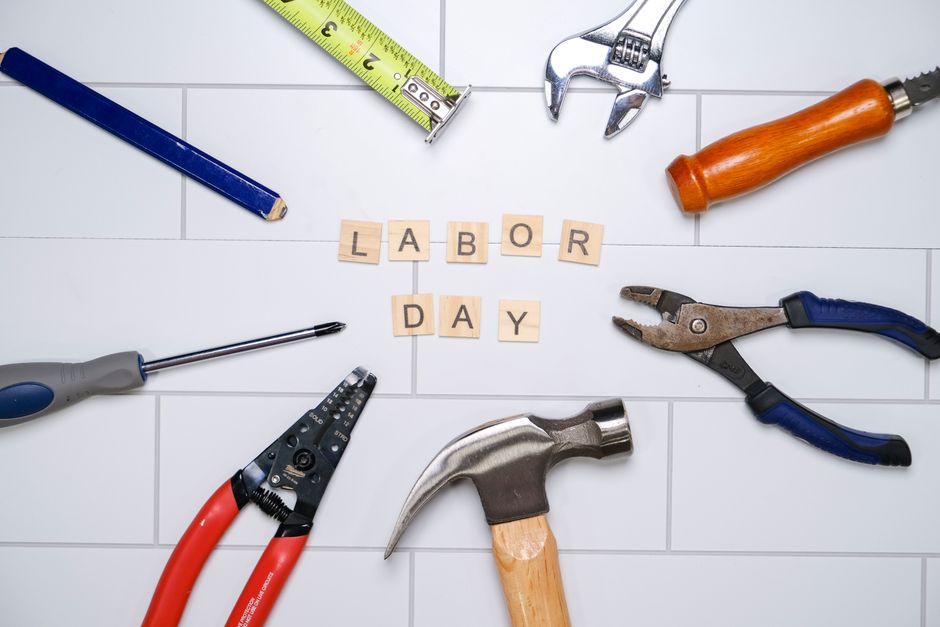
A set of basic tools should include a sturdy toolbox, a versatile screwdriver set, a cordless drill, pliers, wrenches, a tape measure, and a level. For those who want to perform regular maintenance, investing in a high-quality screwdriver set will be worthwhile, whereas someone focused on larger projects might prioritize a cordless drill.
Choosing the right tools tailored to your specific needs will streamline your repair tasks and minimize future expenses.
For more, read about home organization tools.
See also our take on declutter your home.
Frequently Asked Questions
What basic tools should every homeowner have?
Every homeowner should have a basic toolkit that includes a hammer, screwdrivers (both flathead and Phillips), a tape measure, pliers, and an adjustable wrench. Additionally, a utility knife and a level can be particularly helpful for various repairs.
How do I choose the right tools for home repairs?
To choose the right tools, consider the types of repairs you are likely to encounter and the specific tasks you need to perform. Invest in quality tools from reputable brands to ensure durability and effectiveness.
Is it cheaper to do DIY home repairs?
Generally, DIY home repairs can be cheaper since you save on labor costs by doing the work yourself. However, it's important to factor in the cost of tools, potential mistakes, and the time you'll spend on the project.
What is the most important tool for home repairs?
While there are many important tools, a multi-bit screwdriver often ranks among the most essential because it can handle various screw types and sizes, making it versatile for many repair tasks. Investing in a good-quality screwdriver set can streamline your repair efforts.
Can I rent tools for home repairs?
Yes, you can rent tools for home repairs at many hardware stores and rental centers, which is a great option for infrequently used or specialized tools. Renting can save money and provide access to higher-quality equipment for specific projects.



Leave a Reply