

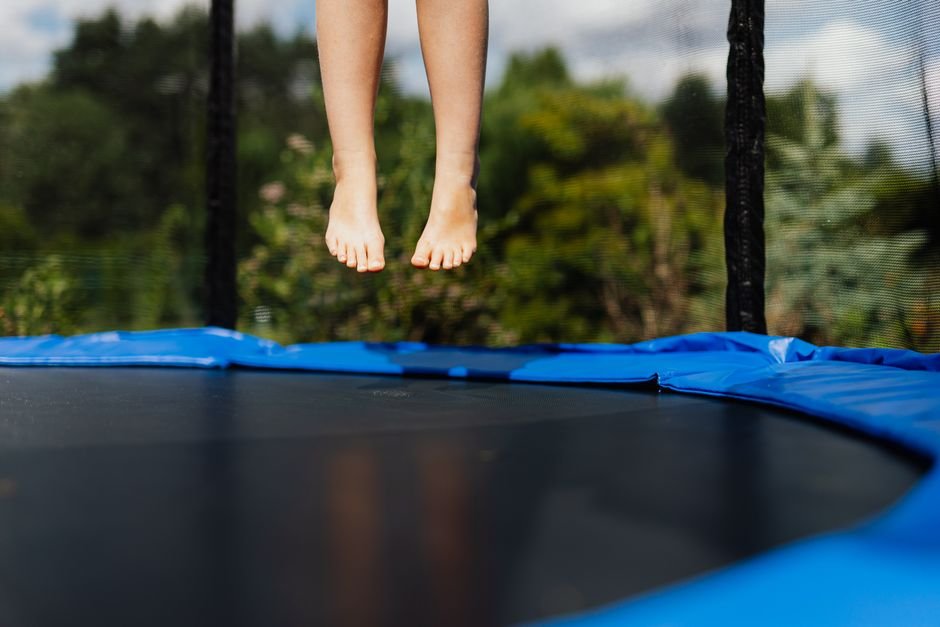
A trampoline requires precise air pressure to function properly; otherwise, it won't provide an enjoyable jumping experience. If you notice that your trampoline is losing air, it's crucial to determine the reason behind it. Understanding the cause can help restore its performance quickly.
I’ve dealt with a trampoline losing air pressure before, and I can tell you it’s frustrating. I’ve learned through trial and error that understanding the core issues will save time and money while ensuring the safety and fun factor of your trampoline remains intact.

Common Causes of Trampoline Air Loss
The first step in troubleshooting your trampoline is to recognize the common causes of air loss. Typically, loss of air pressure can be attributed to a faulty inflation valvepunctures in the trampoline cover, or even wear and tear from general use.
Many people overlook the inflation valve, but if it isn’t sealing properly, it can leak air. Additionally, small punctures or tears in the trampoline material may not be visible at first glance; they can significantly impact overall performance. For instance, if your trampoline is made from PVC, as many are, it can degrade under UV exposure and wear out quickly if not properly cared for.
How to Identify Air Leaks in Trampolines
If you’re suspecting your trampoline isn’t holding air pressure well, start by checking for visible damage. Look around the seams, inflation valve, and any areas prone to high usage. Sometimes, using a pressure gauge can help you determine if you’re losing air quicker than normal.
Another effective method for leak detection is to perform a simple soap and water test. Mix a solution and apply it to suspected areas. If bubbles appear, you’ve identified a leak. This method is particularly useful because it’s quick and doesn’t require specialized equipment. Simply re-inflate the trampoline and check for air escaping in real-time.

Steps to Fix Air Loss in Your Trampoline
Once you’ve pinpointed the source of the air loss, it’s time to take action. If the leak is in the inflation valve, you might need to replace it altogether. This is often a simple task that only requires some basic tools and a replacement valve.
If you discover a puncture, it’s essential to patch it promptly. Depending on the material of your trampoline, you might find a dedicated patch kit to suit your needs. Make sure to follow manufacturer guidelines for application, and remember: the patch needs time to set. Give it a full day, if possible, before reinflating the trampoline to ensure a tight seal.
Preventive Measures to Consider
Preventing air loss is often easier than fixing it. Regular inspections of your trampoline can help catch issues early. For example, after heavy use or adverse weather conditions, take the time to check the seams, stitching, and the inflation valve. This small effort can save you from larger repairs down the road.
Another preventive measure is to provide some shade over your trampoline. Sun exposure can deteriorate materials and hasten wear and tear. A simple tarp or canopy can work wonders in protecting the trampoline’s structural integrity.
When to Seek Professional Help
If after your troubleshooting efforts the trampoline still isn’t holding air pressure, it may be time to seek professional help. Sometimes, the damage is beyond at-home repairs, particularly if you’re dealing with structural issues. Calling in experts means you’ll ensure everything is inspected properly, and it often ends up being worth the cost in the long run.
Additionally, if you feel unsure about performing repairs, seeking professional assistance can provide peace of mind. Remember, trampoline safety is paramount, and using a faulty trampoline can lead to serious injuries.
You can also consult the trampoline manufacturer for specific guidance on repairs or recommendations for service providers. They often have resources or contacts that can simplify the process.
Your Role in Trampoline Maintenance
For best results, perform regular maintenance checks and address any issues as soon as they arise. Homeowners who frequently use the trampoline or have multiple jumpers should consider investing in higher-quality materials or replacement parts to ensure longevity and safety.
We cover best electric pressure in more depth separately.
Frequently Asked Questions
Why is my trampoline going flat?
Your trampoline may be going flat due to a slow air leak, which can occur from small punctures, seams weakening, or the valve not sealing properly. Additionally, temperature changes can cause the air inside to contract, leading to a decrease in pressure.
How can I fix an air leak in my trampoline?
To fix an air leak, first locate the source of the leak by inspecting seams and the air valve for damage. Once identified, you can use a patch kit designed for inflatable products or apply a waterproof adhesive to seal the hole.
What causes trampolines to lose air?
Trampolines can lose air due to tiny punctures, worn-out seams, or a malfunctioning valve. Environmental factors like extreme temperatures can also cause the air inside to shrink or expand, affecting air pressure.
Can I use a bicycle pump for my inflatable trampoline?
Yes, you can use a bicycle pump to inflate your trampoline, provided you have the correct adapter to fit the trampoline's air valve. Using a bicycle pump can make the task easier, especially if it has a pressure gauge.
What is the best way to detect air leaks in trampolines?
The best way to detect air leaks is to visually inspect the trampoline for any visible damages and by performing a water test, where you spray a soapy solution on suspected areas and look for bubbles forming. Alternatively, you can listen for hissing sounds while the trampoline is inflated.



Leave a Reply