

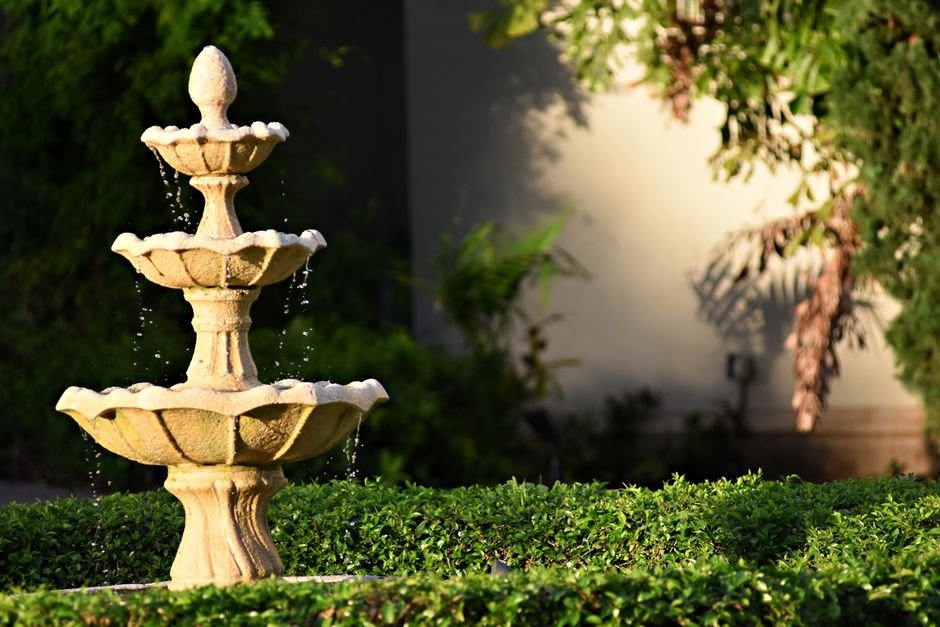
A leaking outdoor fountain can waste an estimated 100 gallons of water a day, leading to higher utility bills and potential damage to your patio. The source of the leak could be cracked materials, improperly sealed joints, or malfunctioning pumps. Addressing these issues promptly can prevent further complications and costs.
Both aesthetically pleasing and soothing, water features like fountains frequently require maintenance to keep them in top shape. A leak not only wastes water but can lead to damage around the fountain area. Through my research and experience, I’ve found the most common culprits of fountain leaks and how to effectively address them.
Common Causes of Outdoor Fountain Leaks
Fountain leaks can usually be traced back to specific causes. The first major factor is the material of the fountain itself. Many outdoor fountains are made from materials such as stone, resin, or concrete. Over time, these materials can develop cracks due to weather conditions or simply from wear and tear.
A small crack may not seem significant, but even a hairline fracture can lead to significant water loss.
Another frequent issue arises from the joints and seals. If your fountain isn’t properly sealed at the joints where different parts fit together, water can easily escape. Check around the base and the connections of different fountain tiers for any signs of wear or moisture.
This is often where I’ve discovered leaks, but it’s easy to overlook if you don’t inspect closely enough.
Pumps can also be a source of leaks. If the pump is faulty or the fittings are loose, it might be continually cycling water inappropriately, leading to excess water loss. Getting familiar with your fountain’s pump system can help you better identify and rectify these issues early.

Effective Leak Repair Techniques
Once you’ve identified the source of your fountain’s leak, addressing it promptly is crucial. For cracks in the material, using a strong waterproof sealant can be your best bet. Depending on the fountain’s material, you’ll need to choose the correct sealant.
For stone fountains, a specific stone repair epoxy works well, while resin fountains may require a particular type of adhesive that adheres well to plastics.
When it comes to joint repairs, completely cleaning the area is essential before applying fresh sealant. Make sure to allow any old sealant or adhesive to dry entirely before applying the new material, as a wet surface can lead to ineffective sealing. Be thorough; usually, reapplying sealant at critical junctions can resolve a leakage issue effectively.
If you suspect problems with the pump, conduct a thorough examination. Begin by tightening all fittings and ensure that the pump itself is positioned correctly. Sometimes, simply repositioning or reseating the pump can stop unwanted water flow. If it appears damaged or continues to leak despite adjustments, you may need to replace it.
This is often a straightforward process, as long as you have the correct pump size.

Preventative Measures for Future Leaks
To avoid leaks before they start, regular maintenance can really make a difference. I recommend inspecting your fountain every spring and fall. During these checks, look for any cracks or signs of wear, and evaluate the condition of the sealants used. This proactive approach can allow you to catch small issues before they escalate.
- Clear debris from around the fountain.
- Check the water level; too low can lead to pump damage.
- Ensure any vegetation nearby doesn’t impede water flow.
Using a quality water feature cover during harsh weather can also reduce wear and tear. If you’re in an area prone to freezing temperatures, draining the fountain before winter adds an extra layer of protection against cracks caused by freezing water. I’ve found that investing just a bit of time into maintenance can save a lot of effort fixing leaks down the line.
The Verdict: Keeping Your Fountain Functional
To effectively resolve leaks, thoroughly inspect the fountain for cracks and ensure all joints are sealed correctly; this approach is best for DIY enthusiasts. If the pump is the issue, replacing it may be necessary, particularly for those who prefer a hassle-free solution. Consistent maintenance will keep your fountain functioning well and enhance the overall appearance of your outdoor space.
Worth reading alongside this: line fast.
Related reading: espresso machine.
Frequently Asked Questions
What causes outdoor fountains to leak?
Outdoor fountains can leak due to various reasons such as cracks in the basin, faulty seals, or plumbing issues. Additionally, changes in temperature and weather can cause materials to expand and contract, leading to leaks.
How can I stop my fountain from leaking?
To stop your fountain from leaking, first identify the source of the leak by examining for cracks or damaged seals. Once located, repair the affected area with appropriate repair kits or call a professional if the damage is significant.
Can I use sealant on my fountain?
Yes, you can use sealant on your fountain, particularly if you have identified gaps or cracks. Make sure to choose a waterproof sealant that is suitable for the material of your fountain to ensure a proper bond.
Why is my fountain losing water quickly?
If your fountain is losing water quickly, it could be due to a significant leak, evaporation, or spills caused by the pump's water flow being too high. Examine the fountain for cracks and check the surrounding area for any signs of water pooling.
Is it normal for fountains to have minor leaks?
While minor leaks can occur in fountains as they age, they should not be common. It's important to monitor any leaks closely, as neglecting them can lead to larger issues and greater water loss.





Leave a Reply