

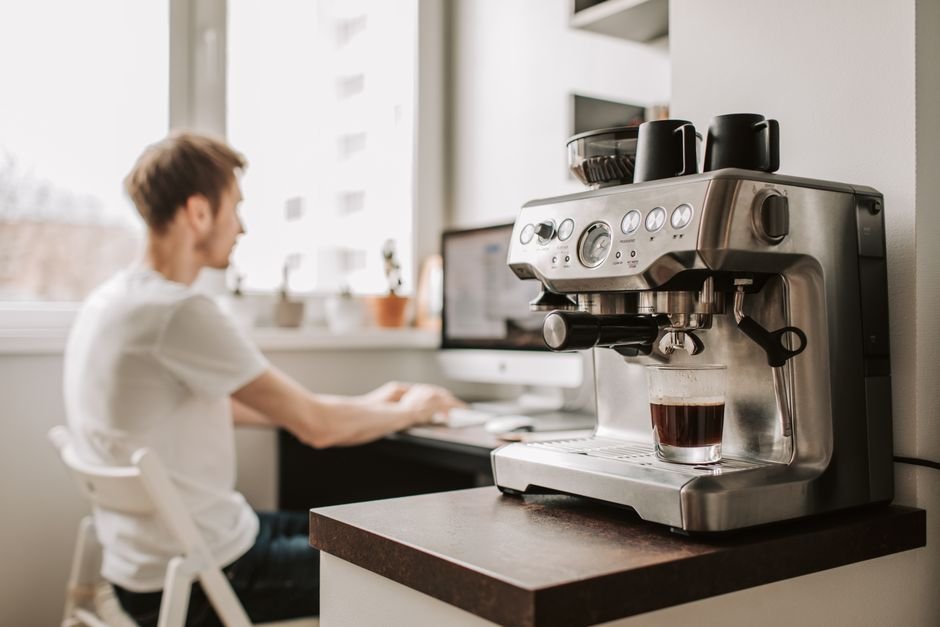
One in four Breville espresso machine owners report inconsistent extraction as a major issue. These machines, while popular, can present challenges that even seasoned baristas encounter frequently. I've experienced various problems firsthand and have gathered feedback from fellow coffee enthusiasts.
It’s crucial to understand these potential pitfalls before committing to brewing your perfect cup. Knowing what can go wrong will save you headaches in the long run.

Common Issues with Breville Espresso Machines
Breville espresso machines are designed with a range of features that enhance the brewing experience, but this complexity often means that issues can arise. One common complaint I see is about inconsistent pressure during extraction. This can lead to under-extracted shots that taste sour or over-extracted shots that are bitter. A good rule of thumb is to regularly check the machine’s pressure gauge.
If you notice fluctuations, it could signal a more serious issue with your machine.
Another frequent issue is temperature control. Many users report that their machine either doesn’t heat up sufficiently or overcooks the coffee. This is particularly important if you are looking to maintain the integrity of your espresso’s flavor. To address this, I recommend allowing the machine to warm up properly for at least 20 minutes before brewing. Also, regularly descaling the machine helps improve temperature consistency.
Breville Espresso Machine Troubleshooting Tips
If you find that you’re experiencing problems with your Breville espresso machine, don’t panic. Begin with the basics. First, check your grind size; it must be fine enough for espresso but not so fine that it clogs the portafilter. You should also ensure that your tampering pressure is consistent, aim for about 30 pounds of pressure.
Cleaning the machine regularly is another crucial step that can prevent many issues. The brew basketportafilter, and group head should be cleaned after every use. If you find that coffee grounds are accumulating, this can lead to blockages and other operational problems.
Also, pay attention to the water used in the machine. Hard water can lead to calcium buildup, resulting in long-term damage. If you’re in a hard water area, consider using filtered water.
Breville Espresso Machine Maintenance and Best Practices
For reliable performance, regularly check and replace seals and gaskets on your Breville machine. If you want to elevate your espresso experience, invest in freshly roasted beans from a reputable roaster that guarantees quality; this is the best choice for ensuring rich flavor in every cup.
Espresso Martini Recipe
This Espresso Martini is an elegant drink that combines the bold flavors of espresso and coffee liqueur, making it the perfect cocktail for coffee lovers. It’s quick to prepare, ensuring you can whip it up in minutes, impressing any guests at your next home gathering.
Prep time 10 minutes | Cook time 25 minutes | Total 35 minutes | Serves 4
Ingredients
- 1 cup freshly brewed espresso (cooled)
- 2 ounces vodka
- 1 ounce coffee liqueur (like Kahlúa)
- 1 ounce vanilla syrup (adjust to taste)
- Ice cubes
- Coffee beans for garnish
Instructions
- Brew 1 cup of espresso using your Breville machine and allow it to cool.
- In a cocktail shaker, combine the cooled espresso, 2 ounces of vodka, 1 ounce of coffee liqueur, and 1 ounce of vanilla syrup.
- Add ice cubes to the cocktail shaker until it is about three-quarters full.
- Shake vigorously for 15-20 seconds, until well chilled and mixed.
- Strain the mixture into 4 chilled martini glasses.
- Garnish each drink with 3 coffee beans on the surface.
Recipe Notes
The Espresso Martini can be made ahead and stored in the refrigerator for up to 2 days. For a twist, you can substitute the vodka with flavored vodka, such as vanilla.
Nutrition (per serving) Calories 280 | Protein 2g | Carbs 16g | Fat 0g | Fiber 0g | Sodium 10mg
Nutrition is an estimate based on the ingredients above.
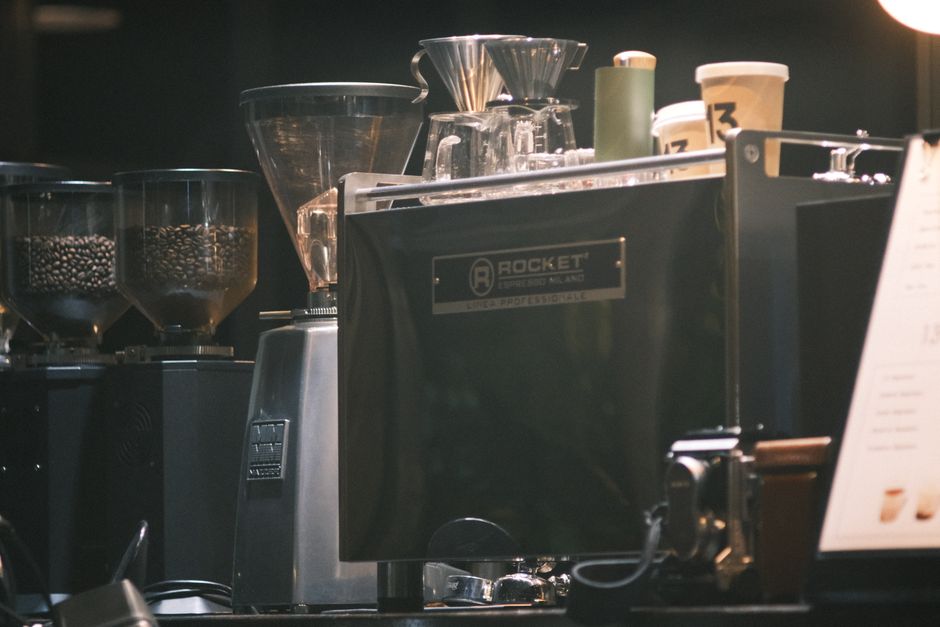
Understanding the common problems with Breville Espresso machine ensures that you can enjoy delicious espresso every time. By keeping these troubleshooting tips and maintenance practices in mind, you can keep your machine running smoothly and relish your perfect brew.
There is more on toaster oven elsewhere on the site.
Frequently Asked Questions
What alcohol is in an espresso martini?
An espresso martini primarily contains vodka as its base spirit. Additionally, it often includes coffee liqueur, such as Kahlúa, which complements the espresso flavor.
Why is my espresso martini not frothy?
If your espresso martini is not frothy, it might be due to using stale espresso or not shaking it vigorously enough. Freshly brewed espresso, combined with a good shake, creates the signature froth.
Can you make an espresso martini decaf?
Yes, you can make an espresso martini with decaffeinated espresso. This option allows you to enjoy the cocktail's flavor without the caffeine boost.
Is it necessary to use fresh espresso in a martini?
Using fresh espresso is highly recommended for an espresso martini because it enhances the flavor and aroma of the drink. Stale espresso will not emulate the rich taste and frothy texture that fresh espresso provides.
What is a good garnish for espresso martini?
A good garnish for an espresso martini is typically three coffee beans, which are often placed on top of the froth. This garnish not only adds visual appeal but also symbolizes health, wealth, and happiness.



Leave a Reply