

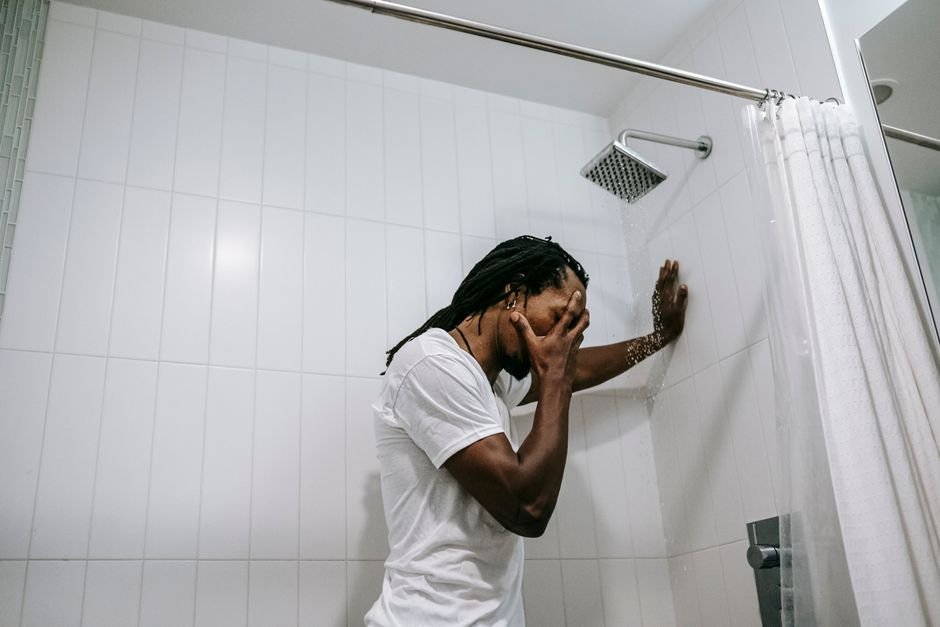
Low water pressure in your shower can drop to below 20 psi, turning an everyday routine into a frustrating experience. This common problem often has specific causes, prompting the question, "Why is my shower head lacking adequate pressure?" Fortunately, there are several straightforward fixes available.
Before you pull out your tools or call in a plumber, let’s explore the potential culprits behind low shower water pressure. Understanding the problem can help you determine whether you can fix it yourself or if it requires professional intervention.
Common Causes of Low Shower Water Pressure
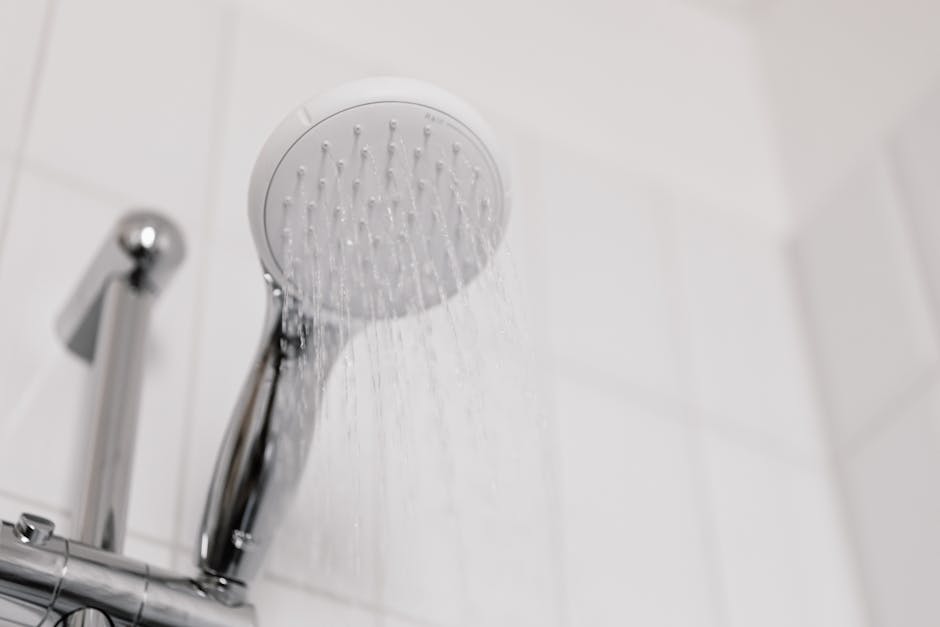
One of the leading reasons for low water pressure in showers is mineral buildup in the showerhead. Over time, minerals like calcium and lime accumulate, clogging the tiny openings. This is especially common in areas with hard water. If you feel your showerhead has become increasingly less effective, check for these blockages.
You can usually clear them out with a vinegar soak or a simple cleaning solution.
Another potential culprit is your plumbing system itself. If your home has older pipes, they may be developing rust or corrosion inside. This buildup will restrict water flow, impacting your shower pressure. Even if your showerhead appears to be clean, internal plumbing issues can lead to low water pressure.
Additionally, water pressure regulators play a significant role in maintaining consistent water pressure throughout your home. If the regulator is set too low or is malfunctioning, it could inadvertently reduce the pressure in your shower. If it seems like an issue across multiple fixtures in your home, you might need to look into adjusting or replacing your regulator.
Lastly, if you’ve recently made changes to your plumbing system or added new fixtures, these can inadvertently affect the water pressure as well. New installations or modifications can sometimes create unexpected pressure issues.
Simple DIY Fixes for Boosting Pressure
Addressing mineral buildup is often the simplest solution. You can soak your showerhead in a vinegar solution by filling a plastic bag with vinegar, securing it over the showerhead with a rubber band, and letting it sit for several hours. The acidity of the vinegar will dissolve mineral deposits, restoring full functionality.
If cleaning the showerhead doesn’t solve the issue, check the plumbing. Inspect exposed pipes for signs of leaks or corrosion. If the pipes are old, this might be a sign that you need a pipe replacement, which can improve water flow significantly. For large scale water issues, involving a professional plumber is often the best course of action.
In cases where adjusting the pressure regulator may be necessary, you can often find the regulator near your main water supply line. Make sure to consult your plumbing manual or a professional if you’re unsure how to make any adjustments. Remember that increasing the pressure too much could lead to leaks in old pipes, so proceed with caution.

When to Call a Professional
If you’ve tried cleaning your showerhead and adjusting the water pressure regulator with little to no improvement, it might be time to call a professional. Persistent low water pressure could indicate deeper issues within your plumbing system that require an expert’s eye. This includes leaks hidden behind walls or under floors that could lead to significant water damage.
Moreover, if you find that low pressure is not limited to just your shower and affects other areas of your house, it’s a strong signal that the problem lies within your plumbing and requires immediate attention. At this point, a certified plumber can diagnose and resolve any underlying plumbing issues, ensuring your water pressure returns to normal. Another aspect to consider is why does my shower head have low water pressure which can also point to issues that require professional help.
If that matters to you, our piece on pressure washer not goes further.
We cover home renovation take in more depth separately.
Conclusion: Take the Right Steps to Fix Low Pressure
For minor issues like mineral buildup, cleaning the showerhead can resolve low pressure effectively. If that doesn't help and the problem affects multiple fixtures, hiring a plumber is the best option to diagnose and address underlying plumbing issues.
Frequently Asked Questions
What causes low water pressure in the shower?
Low water pressure in the shower can be caused by a few factors, including mineral buildup in the showerhead or plumbing, a partially closed valve, or issues with the main water supply. In some cases, the problem could also stem from a water heater malfunction or low water supply due to community plumbing issues.
How can I increase my shower's water pressure?
You can increase your shower's water pressure by cleaning the showerhead to remove mineral deposits, ensuring that the plumbing valves are fully open, or installing a high-pressure showerhead. Additionally, you might consider checking for any plumbing leaks or installing a water pressure booster.
Can a shower head affect water pressure?
Yes, a shower head can significantly affect water pressure. If the showerhead has flow restrictors or is clogged with mineral deposits, it can reduce the flow of water and create a low-pressure effect.
Why is only my shower experiencing low pressure?
If only your shower is experiencing low pressure, it may be due to localized issues such as a clogged showerhead, problems with the shower valve, or specific plumbing configurations that affect water flow. It's also possible that there are blockages or leaks in the pipes leading to that particular shower.
Is low shower pressure common in hotels?
Low shower pressure can be common in hotels, often due to the plumbing systems serving multiple rooms or the use of water-saving fixtures. Additionally, fluctuations in water pressure may occur during peak usage times when many guests are using water simultaneously.




Leave a Reply