

Eco-friendly home renovation can save you around 20% on utility bills over time. Instead of defaulting to conventional materials, it’s worth exploring sustainable alternatives that improve both your home’s comfort and the environment. Here are the top eco-friendly materials to consider that won’t strain your finances.
These seven materials are not only affordable but also effective at enhancing the function and aesthetic of your home. Whether you’re tackling a DIY project or hiring professionals, you’ll find practical details and insights to help you make informed choices.

1. Reclaimed Wood
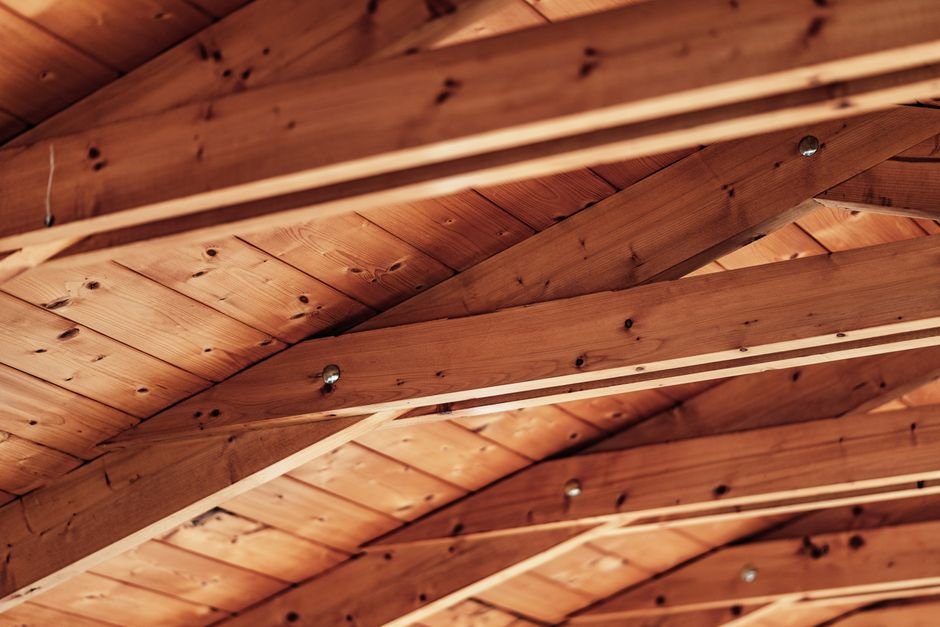
Reclaimed wood is a standout favorite for renovations thanks to its charm and sustainability. Using wood that has been salvaged from old buildings or furniture not only adds character to your space but also reduces deforestation. I prefer choosing reclaimed wood for features like mantels, flooring, or accent walls because each piece carries its own history. It speaks volumes in design while being eco-conscious.
Tip: Look for local suppliers who specialize in reclaimed wood to ensure quality and support local businesses.
2. Bamboo Flooring
Bamboo flooring is one of the most sustainable options available. Bamboo grows rapidly, up to three feet per day, and can be harvested every five to seven years without harming the plant. This makes it a renewable resource that provides durability and style. Whether you’re opting for an open concept or something cozier, this flooring stands up well to wear and tear.
Consider a strand-woven bamboo which is denser and more durable, making it ideal for high-traffic areas.
3. Energy-Efficient Insulation
Energy-efficient insulation can significantly reduce your energy bills and carbon footprint. Materials like cellulose are made from recycled paper products, while cotton insulation is sourced from recycled denim. Both options work to maintain temperature, requiring less energy to heat or cool your home. I have often recommended cellulose insulation for attics and walls, given its effectiveness and eco-friendliness.
Check local building codes to ensure the insulation you choose meets required standards for your region.
4. Non-Toxic Paint
Choosing non-toxic paint can greatly impact indoor air quality, making it safer for you and your family. Conventional paints can contain harmful VOCs that affect respiratory health. I’ve switched to brands that offer plant-based paints, these are less toxic and still provide vibrant colors and solid coverage. For a fresh look, these paints can be used in any room without compromising safety.
Before purchasing, check for certifications that guarantee low or zero VOC levels to ensure you’re making a healthy choice.
5. Recycled Glass Countertops
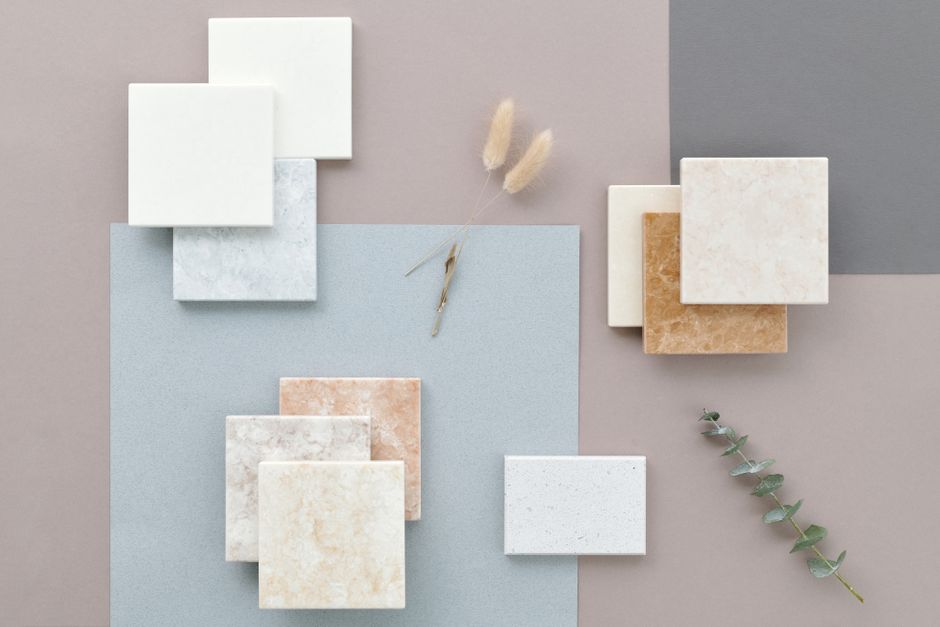
Recycled glass countertops bring an elegant touch to kitchens and bathrooms, showcasing colorful fragments blended into a sturdy surface. They are made from post-consumer glass, which keeps waste out of landfills while offering resilience against heat and scratches. I love how they can be customized to reflect your style, from subtle tones to bold colors.
Keep an eye out for local artisans or businesses that specialize in creating countertops to support your community while minimizing transport emissions.
6. Eco-Friendly Adhesives
Many people overlook adhesives in their eco-friendly renovations, yet traditional adhesives can contain harmful chemicals. There are now plenty of eco-friendly options available that use natural materials, making them safer for your home and the planet. When installing flooring, cabinets, or even artwork, opt for these sustainable adhesives that do not compromise your health for performance.
Read the labels carefully; look for adhesives with plant-based ingredients to ensure you are choosing a high-quality alternative.
7. Sustainable Roofing Materials
If you’re considering roofing, opting for sustainable materials can make a significant difference. Metal roofs, for example, are often made from recycled content and can last up to 50 years, reflecting heat and improving energy efficiency. I recommend evaluating the lifespan and energy-saving potential during your planning phase, as this investment pays off over time.
Explore local recycling programs that offer rebates for using eco-friendly roofing materials, which can help offset initial costs.
How to Choose
Bamboo flooring is a strong, renewable option you should prioritize if you want a durable and stylish finish. For those on a tighter budget, recycled metal roofing offers exceptional longevity and energy efficiency. Each choice makes a significant impact both financially and environmentally.
Our write-up on home organization picks up where this leaves off.
Frequently Asked Questions
What are the most sustainable materials for renovation?
Some of the most sustainable materials for renovation include reclaimed wood, recycled metals, bamboo, and natural stone. These materials not only minimize environmental impact but also often have healthier characteristics for indoor air quality.
Why choose eco-friendly products for home renovation?
Choosing eco-friendly products for home renovation helps reduce your carbon footprint and minimizes waste. Additionally, these products often improve indoor air quality and provide a healthier living environment.
How to find cost-effective green renovation materials?
To find cost-effective green renovation materials, consider sourcing locally to reduce transportation emissions and costs. Additionally, look for discounts at salvage yards, online marketplaces, and consider purchasing from manufacturers who specialize in sustainable materials.
Is bamboo a good material for eco-friendly renovation?
Yes, bamboo is an excellent material for eco-friendly renovation due to its fast-growing nature and renewability. It is strong, versatile, and can be used for flooring, cabinetry, and even furniture.
Can eco-friendly insulation improve energy efficiency?
Yes, eco-friendly insulation can significantly improve energy efficiency by reducing heat loss and keeping homes warmer in winter and cooler in summer. Materials like recycled cellulose, sheep’s wool, and cotton are effective alternatives that enhance thermal performance.
For more insights on the best eco-friendly materials for home renovation, you can find detailed information on green home renovations.




Leave a Reply