

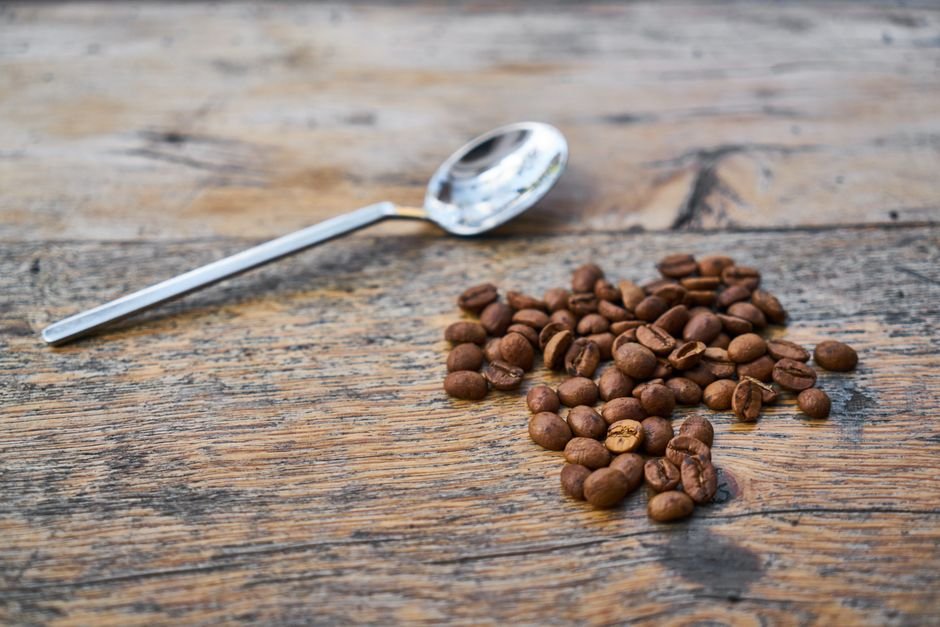
Choosing the right coffee beans can make or break your brew; using the wrong type could lead to a muddled cup instead of a flavorful one. Certain beans shine with specific brewing methods, so knowing their characteristics is essential for enhancing your coffee experience while on the go.
In this guide, I’ll share eight coffee bean types that align with various brewing methods, plus the practical details you need to make the most out of each option. Whether you prefer the robust flavors of a dark roast or the bright notes of a light roast, I’ve got insights to ensure you brew with confidence.
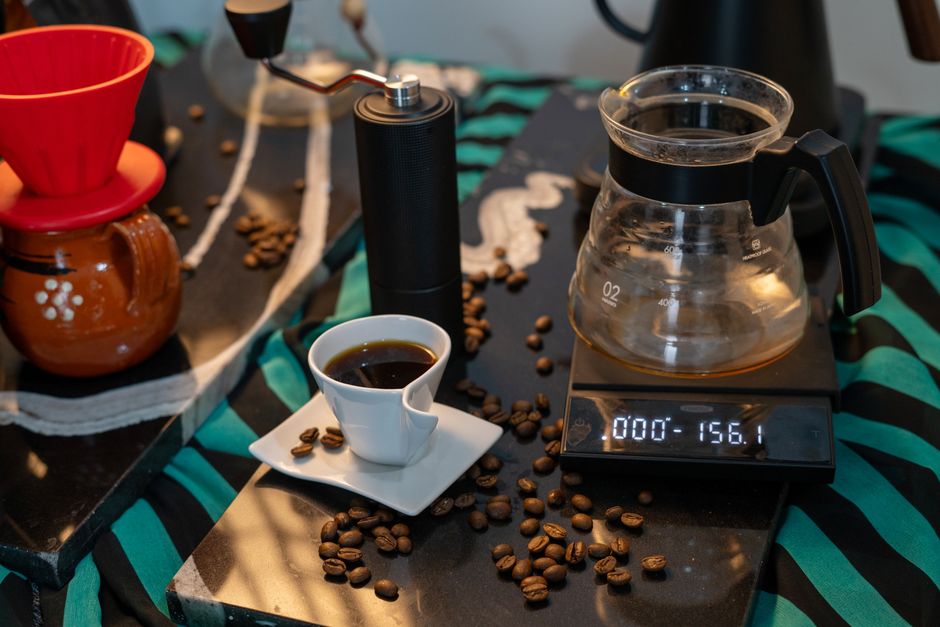
1. Arabica Beans for French Press
Arabica beans are celebrated for their smooth, complex flavors, making them an excellent choice for French press brewing. The immersion process of the French press allows the beans’ natural oils and intricate notes to shine. A light to medium roast of Arabica will yield a clean cup with hints of fruit and floral undertones, ideal for those who enjoy savoring subtle flavors.
For the best extraction, grind your Arabica beans just before brewing. Aim for a coarse grind, as finer particles can lead to a bitter taste and sediment in your cup.
2. Robusta Beans for Espresso
Robusta beans pack a punch with their bold, robust flavors and higher caffeine content. They are often used in espresso blends because of their ability to create a rich crema, a desirable feature in espresso shots. While they can taste more earthy and nutty than Arabica, the intense flavor stands out in espresso, giving drinkers a strong, rich experience.
If you want to create a well-balanced espresso shot, look for blends that mix a high percentage of Robusta with Arabica. This not only enhances the flavor but also improves the crema’s texture.
3. Single-Origin Beans for Pour-Over
Pour-over brewing brings out the individual characteristics of single-origin beans beautifully. These beans are sourced from a specific region, often boasting unique flavor profiles influenced by local soil and climate. Whether you choose coffee from Ethiopia with its fruity notes or a chocolatey Guatemalan bean, pour-over brewing allows you to appreciate every layer of flavor.
Start with a medium grind, and ensure your water temperature is around 200°F to avoid over-extracting and accidentally highlighting bitterness.
4. Dark Roast for Cold Brew
Dark roast beans make a fantastic choice for cold brew, as their deep, rich flavors balance the smoothness of cold extraction. The longer brewing time of cold brew (about 12 to 24 hours) allows the bold flavors of darker beans to flourish without the acidity that often accompanies lighter roasts. You’ll enjoy a sweet, smooth finish that many love.
For cold brew, coarsely grind the dark roast beans to allow for proper extraction without bitterness. A 1:4 coffee-to-water ratio will yield a concentrated brew that’s easy to dilute with water or milk.
5. Medium Roast for Filter Coffee
For filter coffee, medium roast beans strike the perfect balance between acidity and body. The flavor is versatile enough to appeal to various palates, offering a well-rounded cup without overwhelming bitterness or acidity. Medium roast beans often display caramel and chocolate notes that brew beautifully in drip machines.
A good rule of thumb is to use a medium grind and to combine it with water heated to about 195°F to ensure optimal extraction without brewing too quickly.
6. Light Roast for Aeropress
The Aeropress is known for producing a clean, concentrated cup, and light roast beans are ideal for this method. Their crisp acidity and pronounced flavors can be fully captured using the Aeropress, resulting in a vibrant cup that highlights distinctive characteristics. Think bright citrus notes or sweet berry flavors that can astonish your taste buds.
For the Aeropress, a fine grind works well, along with a water temperature of approximately 175°F. Adjust the brew time to explore different flavor notes; less time will yield a fruitier profile, while longer extraction adds depth.
7. Blend for Moka Pot
A well-crafted blend of beans is key for brewing in a Moka pot where exposure to steam and pressure enhances the coffee’s flavor. A blend combining both Arabica and Robusta can result in a balanced cup that has the sweetness of Arabica and the body of Robusta. This combination allows for an espresso-like experience without the fuss of a full espresso machine.
Grind your blend to a fine consistency, similar to table salt, to mimic the pressure brewing process effectively. Ensure your water doesn’t reach a boiling point, as this can lead to over-extraction and bitterness.

How to Choose
For a balanced cup, opt for medium roast Arabica beans when using a drip coffee maker as they suit the brewing style well. Dark roast Robustas are better for espresso, providing a rich crema and bold taste that appeals to lovers of strong coffee. When considering various coffee bean types for different brewing methods, each choice maximizes your coffee experience.
Frequently Asked Questions
What coffee beans are best for espresso?
The best coffee beans for espresso are typically dark roast beans that are finely ground to enhance the extraction process. Varieties like Arabica or Robusta can provide a rich flavor profile and a good crema.
Why do different brewing methods need different beans?
Different brewing methods require different beans because each method extracts flavors and oils at varying rates and temperatures. This means that certain beans may work better with specific brewing techniques to achieve the desired taste and aroma.
How do I choose coffee beans for French press?
When choosing coffee beans for French press, look for a coarser grind to prevent clogging and to allow for optimal extraction. Also, a medium-dark roast often complements the method, offering a well-balanced flavor.
Is light or dark roast better for pour over?
Light roast is generally preferred for pour over because it highlights the coffee's complex flavors and acidity. However, some coffee lovers enjoy dark roasts for their deeper, bolder flavors, so it ultimately depends on personal preference.
Can the same beans be used for all brewing methods?
While you can technically use the same beans for all brewing methods, the grind size and roast type will need to be adjusted for each method to optimize flavor extraction. Different techniques can bring out specific qualities in the beans, making some beans better suited for certain methods.


Leave a Reply