

When it comes to keeping your lawn neat and tidy, a good trimmer is essential. Whether you’re edging your lawn, cleaning up around flower beds, or managing overgrown weeds, choosing between a cordless trimmer and a gas trimmer can make a big difference in how quickly and efficiently the job gets done.
This article explores the pros and cons of each option to help you decide which type of trimmer best fits your needs.

What is a Cordless Trimmer?
A cordless trimmer, also known as a battery-powered trimmer, runs on rechargeable lithium-ion batteries. It offers the convenience of mobility without the fumes, noise, or maintenance of gas-powered models.
Key Features:
- Runs on rechargeable batteries (usually 20V to 80V)
- Lightweight and easy to handle
- Quieter than gas models
- Push-button start
- No fuel or oil required
What is a Gas Trimmer?
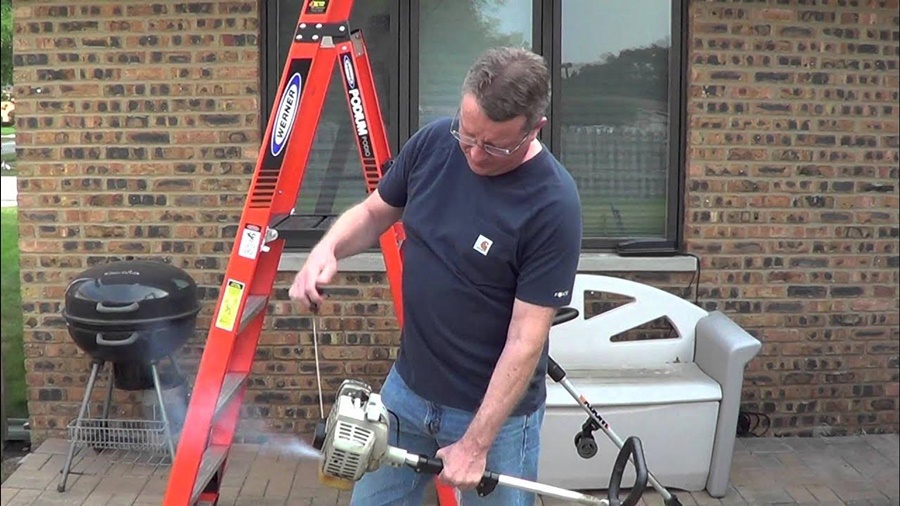
A gas trimmer is powered by a gasoline engine, typically a 2-stroke or 4-stroke motor. These machines are known for their power and ability to tackle tough, overgrown areas with ease.
Key Features:
- Runs on gasoline (sometimes mixed with oil)
- Heavier and more powerful
- No battery recharge downtime
- Pull-start engine
- Regular maintenance required (fuel, spark plug, air filter)
Cordless Trimmer: Pros and Cons
Pros:
- Quiet Operation: Ideal for residential areas or early-morning work.
- Low Maintenance: No fuel mixing, oil changes, or engine servicing.
- Lightweight: Easier for beginners or those with limited strength.
- Eco-Friendly: No emissions, making it better for the environment.
Cons:
- Battery Life: Limited runtime (usually 30–60 minutes); may require spare batteries for large jobs.
- Less Power: Not ideal for very thick weeds or commercial use.
- Charging Time: Batteries can take 1–2 hours or more to recharge.
Gas Trimmer: Pros and Cons
Pros:
- High Power: Great for thick brush, tall grass, and heavy-duty trimming.
- Unlimited Runtime: As long as you have fuel, you can keep working.
- Durability: Often built for tougher, longer-lasting use.
Cons:
- Noisy Operation: Can be disruptive in quiet neighborhoods.
- Maintenance Required: Regular oil changes, spark plug checks, and fuel mixing.
- Heavy and Bulky: May cause fatigue over extended periods.
- Emissions: Produces exhaust and pollutants.
Performance Comparison
| Feature | Cordless Trimmer | Gas Trimmer |
|---|---|---|
| Power | Moderate | High |
| Runtime | Limited by battery | Unlimited (with fuel) |
| Noise Level | Low | High |
| Maintenance | Minimal | High |
| Weight | Light | Heavy |
| Ease of Use | Very user-friendly | Requires some experience |
| Cost (initial) | Moderate to high | High |
| Environmental Impact | Low | High |
Best Use Cases
Cordless Trimmer Is Best For:
- Homeowners with small to medium-sized yards
- People seeking quiet and clean operation
- Occasional yard maintenance
- Eco-conscious users
Gas Trimmer Is Best For:
- Large properties or commercial landscaping
- Cutting thick weeds, brush, or overgrowth
- Users who need longer runtimes without breaks
- Rural areas where power sources are limited
Cost Considerations
- Cordless trimmers typically range from $100 to $300, depending on battery size and brand. Replacement batteries can cost extra.
- Gas trimmers range from $150 to $400, but ongoing costs for fuel, oil, and maintenance should also be considered.
Common Mistakes to Avoid
Users often overlook the importance of adapting trimmer settings to the type of vegetation. If you use a cordless trimmer on thick grass, it may struggle. Choose a gas model for more demanding jobs. Conversely, using a gas trimmer on delicate flowers can result in damage.
Another common error is neglecting to read the manufacturer’s instructions. Proper understanding of your trimmer ensures you use it efficiently and safely. Take the time to familiarize yourself with the controls and recommended maintenance schedules.
Who Each Option Suits Best
Cordless trimmers are ideal for homeowners with smaller yards. They’re perfect if you want to avoid the hassle of fuel and oil. If you have light to moderate overgrowth, this option provides quiet operation without emissions.
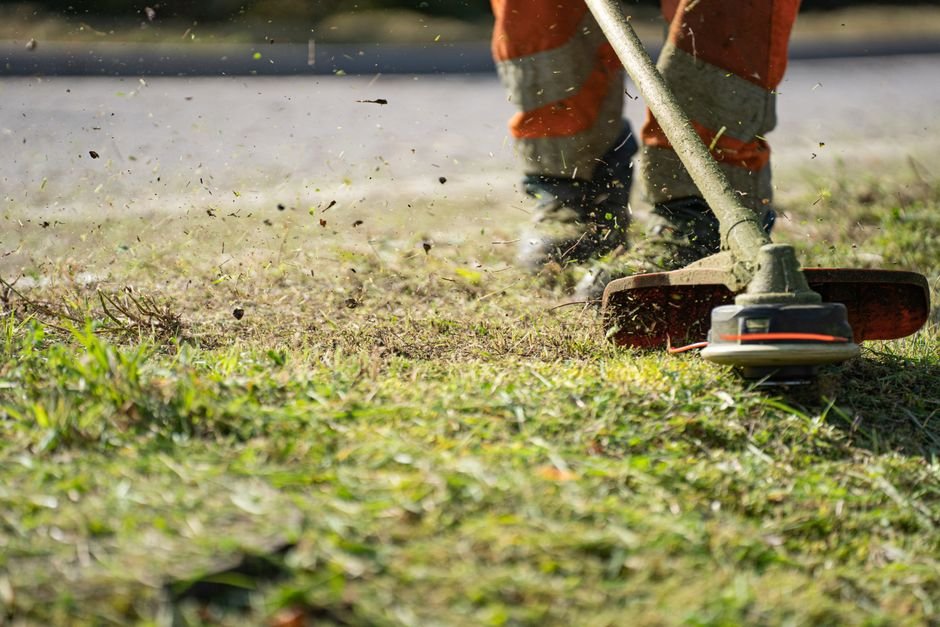
On the other hand, gas trimmers suit landscapers or homeowners with larger properties. If your yard requires frequent heavy-duty trimming, gas models offer power that cordless units can’t match. These trimmers are also preferable if you often work in remote areas without access to electricity.
For more, read about hedge trimmer which tool.
Maintenance and Care
Maintaining your trimmer is essential for performance and longevity. Cordless trimmers require regular battery checks and may need periodic blade or string replacements. Charge the battery fully before each use. In contrast, gas trimmers demand oil and fuel mixture, along with routine spark plug changes. Both types benefit from cleaning after use, which prevents buildup of grass clippings.
Conclusion
The decision between a cordless trimmer and a gas trimmer ultimately depends on your specific needs:
- Choose a cordless trimmer if you want a lightweight, quiet, and eco-friendly option for regular trimming and light to moderate yard work.
- Choose a gas trimmer if you need maximum power, longer runtime, and the ability to handle tough vegetation and large areas. For a detailed comparison of these options, refer to Cordless Trimmer vs Gas Trimmer.





Leave a Reply