


Neglecting to clean your pressure cooker can lead to lingering odors and tough stains that may damage the appliance. A clean pressure cooker not only prolongs its life but also ensures your meals taste right. Here's how to tackle the cleaning process easily and efficiently.
Understanding how to clean a pressure cooker involves knowing its crucial parts and maintaining proper pressure cooker safety. The interior, lid, gasket, and valve require special attention since these areas can harbor food particles and bacteria. Let’s get started.
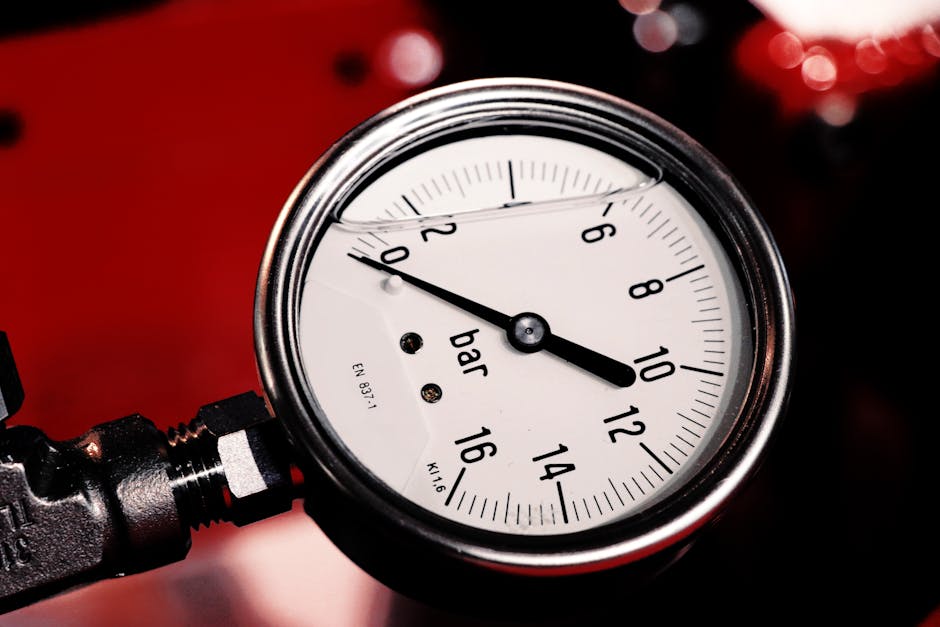
Essential Tools for Cleaning a Pressure Cooker
You don’t need fancy gadgets to clean your pressure cooker effectively. Here’s a simple list of what I use:
- Soft sponge or cloth for gentle scrubbing
- White vinegar for removing tough stains
- Baking soda to tackle grimy residues
- Toothbrush for cleaning small crevices
- Dish soap for regular cleaning
These tools are all you really need. Avoid abrasive cleaners that can scratch your cooker’s surface or damage the silicone gasket. Trust me, replacing that gasket can be a hassle.
The Pressure Cooker Parts
Before getting your hands dirty, familiarize yourself with the pressure cooker parts. The main components you’ll be interacting with include the pot, lid, sealing ring (gasket), steam release valve, and anti-block shield. Cleaning each part properly ensures that your pressure cooker remains safe and functional.
The sealing ring is one of the most critical parts to clean, as it can absorb odors and spices over time. It’s generally removable, so take it out for a thorough wash. However, avoid using strong chemicals, hot, soapy water is usually enough. I’ve noticed that many people forget about the steam release valve, which can develop build-up that affects functionality.
Make it a habit to check and clean it regularly.
Step-by-Step Cleaning Process
Now, let’s move into the actual cleaning process. Start by disassembling your pressure cooker. Remove the sealing ring and the steam release valve where applicable.
Here’s how I clean it:
- Fill the pot with warm soapy water and let it soak for about 10 minutes.
- While it soaks, take the sealing ring and clean it under running water. If there are stubborn stains, try rubbing some baking soda onto the area and rinse well.
- Use the toothbrush or a soft sponge to scrub the steam release valve and anti-block shield to ensure no particles are trapped.
- Rinse all parts under warm water and dry them thoroughly. Make sure there’s no moisture left on the sealing ring before reassembling.
It usually takes about 15-20 minutes to clean everything properly, so don’t rush. A thorough clean is crucial for maintaining the longevity of your pressure cooker.

How to Remove Stains from a Pressure Cooker
Stains can be the trickiest part of pressure cooker maintenance. The combination of high heat and various foods can lead to unsightly marks on both the interior and exterior. If you notice discoloration, don’t be tempted to use harsh chemicals. Instead, I recommend a natural approach.
Mix a paste of baking soda and water and apply it to the stained areas. Let it sit for about 30 minutes before scrubbing gently with a sponge. Rinse thoroughly. If baking soda doesn’t do the trick, a little white vinegar can help cut through grease and odors.
Additional Tips for Long-Term Maintenance
To minimize the need for deep cleaning, try following a few easy maintenance habits. Always rinse the sealing ring after use and store it separately from the pot to avoid warping. Regularly check the valve for blockages and clean it, especially if you use your cooker frequently.
If you use your pressure cooker for food with strong odors, I recommend sanitizing it occasionally with a vinegar and water solution. The right maintenance can keep your appliance looking shiny and new while preventing dangerous build-up.
My Final Verdict on Pressure Cooker Care
For the best results, use a mixture of vinegar and baking soda for heavy-duty cleaning, which is suitable for most models. If you're short on time, a simple wipe-down after each use can maintain cleanliness without much effort. Regular maintenance ensures your pressure cooker remains a reliable tool in your kitchen. If you’re also interested in how to clean a pressure cooker, there are other resources available for more detailed methods.
There is more on pressure washer elsewhere on the site.
For more, read about gas vs electric.
Frequently Asked Questions
What is the safest way to clean a pressure cooker?
The safest way to clean a pressure cooker is to disassemble it fully, including removing the gasket and the safety valve. Use warm soapy water and a soft sponge to clean the inner pot and lid, ensuring you avoid any harsh chemicals that could damage the non-stick surface.
How often should you clean a pressure cooker?
You should clean your pressure cooker after every use, especially if it has been used to cook foods that tend to stick or create residue. Regular cleaning will ensure the longevity of the cooker and help maintain optimal cooking performance.
Can a pressure cooker be washed in the dishwasher?
Some components, like the inner pot, are generally dishwasher safe, but it's important to check the manufacturer's guidelines for your specific model. The lid, gasket, and other parts may need to be hand washed to avoid damage.
Why does my pressure cooker smell after use?
A pressure cooker may smell after use due to leftover food particles or residue that have become trapped in the gasket or lid. It's important to thoroughly clean these areas and ensure there are no remnants that could cause odors.
Is it necessary to clean the gasket of a pressure cooker?
Yes, it is necessary to clean the gasket of a pressure cooker, as food particles and grease can accumulate in it and affect its sealing ability. Regularly inspecting and cleaning the gasket will help ensure safe and effective operation.





Leave a Reply