

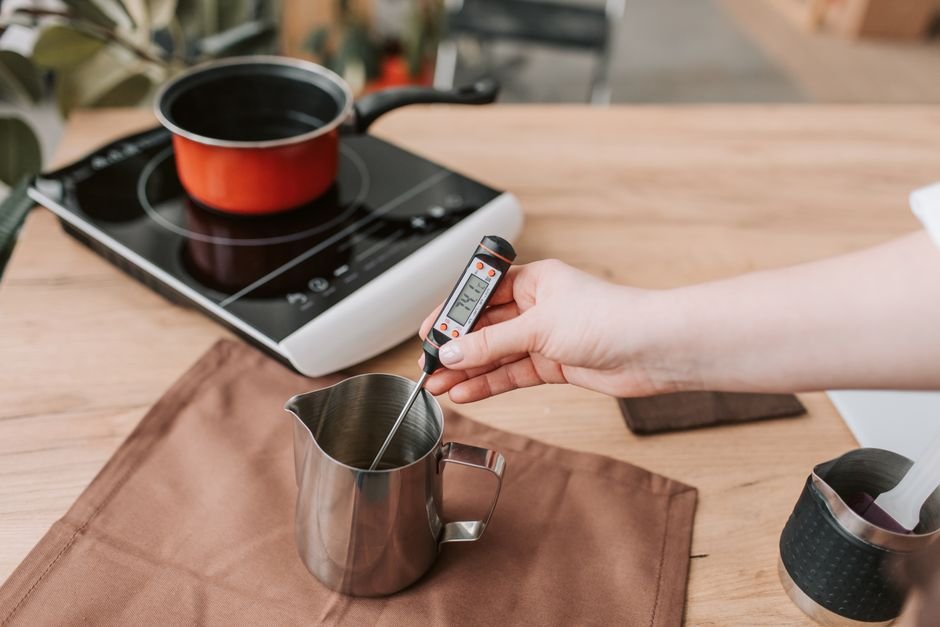
A slow cooker that won't heat up is a common issue that can derail dinner plans. Often, the problem stems from simple oversights or malfunctions that are easy to fix. Let's explore some typical reasons your slow cooker may be struggling to heat properly.
Most often, the underlying problem comes down to slow cooker settings, power supply issues, or heating elements. In my experience, identifying the problem quickly helps get you back to creating those slow-cooked meals you love. So what should you check first?
Common Reasons for Heating Failures
The first step is understanding that slow cookers can fail to heat for various reasons. One major factor you shouldn’t overlook is the setting you’ve chosen.
Many people mistakenly think they have it set correctly, only to find it’s on the “keep warm” setting instead of “high” or “low.” Be sure to double-check that the dial or buttons are set to your desired cooking temperature. This is especially common when using multi-function slow cookers.
Another reason for your slow cooker not heating may relate to the power supply. If there’s a power outage or if the outlet is faulty, the unit may not operate. Try plugging the cooker into a different socket to rule this out. If you notice your kitchen lights flicker, you might have an electrical appliance problem that needs addressing, possibly a professional’s touch.
Issues with the Heating Elements
The heating element in your slow cooker is responsible for distributing heat evenly, so if it’s malfunctioning, your dishes will never cook properly. Over time, heating elements can develop faults. If you notice any inconsistencies in heating, like some parts of your food cooking while others remain cold, it could be time to inspect the heating element.
Usually, this will require disassembly of the pot, which I wouldn’t recommend if you’re not handy with electrical appliances.
Per-manufacturers, repairs can often be complex and not worth the cost if you’re dealing with an older model or a low-cost slow cooker. If you find it’s a heating element issue on an inexpensive unit, I would suggest considering a new model instead. Sometimes the hassle isn’t worth the effort.

Checking Electrical Connections
Don’t underestimate the importance of checking all electrical connections. If the power cord is frayed or damaged, or if the connection where the pot meets the base is not secure, you’ll have heating issues. Ensure that the cord is intact and plugged in all the way.
If there’s any visible damage to the cord, it’s a safety hazard and should be replaced immediately.
Another common oversight is a dirty or obstructed base unit. Food debris can accumulate where the pot meets the heating base, preventing effective contact essential for heat transfer. A quick clean can sometimes solve the issue. It’s always wise to ensure everything is dry and free from residue, as moisture can also lead to issues.
Addressing User Errors
Sometimes the problem isn’t with the appliance; it might be user-related. Make sure you’re following the manufacturer’s instructions for setting up the slow cooker and adding ingredients in the recommended order. I’ve read about people placing frozen meat in their pot and wondering why it takes forever to cook.
Always aim for thawed or fresh ingredients for the best results and consistent heating.
This isn’t just about cooking times; it’s about ensuring the cooker can generate heat evenly. If a recipe calls for a preheated slow cooker, take that seriously. Also, avoid lifting the lid too often during cooking, as this lets out heat and extends cooking time.
Manufacturer Guidelines and Common Sense
If troubleshooting these points does not resolve the issue, consult your slow cooker’s manual. Most brands provide specific guidance on operational checks and common issues. They might have a dedicated customer service team to assist you. If you own a popular brand, it may even have a community or online forum for users where you can see common concerns.
Lastly, if your problem persists even after checking all these factors, it might be time to reconsider your appliance. Investing in a more reliable model can save you time and energy in the long run, especially if you want to enjoy the convenience of slow cooking without the hassle of ongoing repairs.
For those weighing options, I recommend checking out the best slow cooker reviews I’ve compiled, you’ll find several trusty options there for your next purchase.
Final Recommendations
To avoid further cooking setbacks, consider investing in a quality slow cooker like the Instant Pot Duo for versatility or the Crock-Pot 7-Quart if you prefer a straightforward model. Both options cater to different cooking styles and can enhance your culinary experience without hassle.
For more, read about honest reviews.
For more, read about honest reviews.
Frequently Asked Questions
Why does the slow cooker take so long to heat?
A slow cooker is designed to heat gradually, allowing food to cook evenly over time. The low wattage of its heating element contributes to the longer heating process, which is intended for slow cooking.
What are common slow cooker problems?
Common problems with slow cookers include malfunctioning heating elements, broken lids, and issues with the control settings. Additionally, if the cooker is not properly sealed or is overfilled, it may fail to heat effectively.
How do I test my slow cooker's heating element?
To test the heating element, unplug the slow cooker and use a multimeter to check for continuity in the heating element. If there is no continuity, the element may be faulty and needs to be replaced.
Can a slow cooker be repaired if not heating?
Yes, a slow cooker can often be repaired if it is not heating, depending on the specific issue. If it's a simple problem like a broken heating element or faulty switch, replacements can be made for proper function.
What should I do if my slow cooker isn't hot enough?
If your slow cooker isn't hot enough, check if it is plugged in and functioning properly. Ensure the lid is on securely and adjust the temperature setting; if problems persist, consult the manual or consider repairs.





Leave a Reply