

Neglecting to clean your sous vide immersion circulator can lead to a 30% decrease in efficiency and could even shorten its lifespan. After a long cooking session, it’s easy to forget this maintenance step, yet it’s essential for consistent results. Here’s how to properly clean your sous vide device without risking damage.
First, it’s important to understand why regular cleaning is essential. Residual food particles, grease, and minerals can build up over time, potentially affecting the circulator’s performance. Neglecting this can lead to inaccurate temperature control and even malfunction. So, to protect this kitchen appliance, I’ve developed a cleaning routine that’s both effective and safe.
The Cleaning Process
One of the first things to tackle is descaling, especially if you’re in an area with hard water. Over time, limescale deposits can clog the heating elements. To start, I fill a pot with equal parts of vinegar and water, ensuring there’s enough liquid to cover the immersion circulator’s heater.
After that, I immerse the circulator in the solution and set it to run at a moderate temperature for about 30 minutes. This step effectively loosens mineral build-up, making it easier to clean.
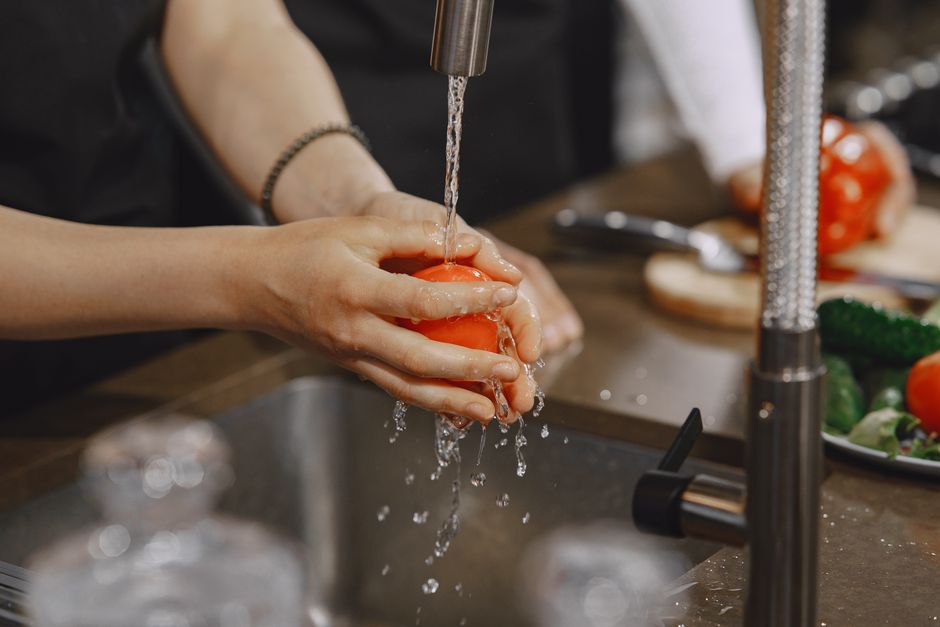
Once the descaling process is done, remove the circulator from the solution and rinse it under warm running water. Be cautious not to submerge the entire unit; water can damage the electrical components. Instead, use a damp cloth to wipe down the exterior, focusing on any spots that may have accumulated grease or grime.
Employing a soft sponge can help you reach stubborn areas without risking scratches.
Tools Needed for Cleaning
To maintain your sous vide immersion circulator properly, having the right supplies on hand makes a significant difference. Here’s what I suggest keeping in your cleaning kit:
- White vinegar or a commercial descaling solution
- Soft sponge or lint-free cloth
- Warm water
- Optional: an old toothbrush for detailed scrubbing
While it might seem straightforward, investing a little time and effort into the right cleaning tools ensures that you maintain the longevity of your circulator. I find that the toothbrush is especially useful for getting into tiny crevices where dirt may hide. Always make sure your cleaning tools are non-abrasive to prevent scratching the surface of your device.
Tips for Prolonged Care
Besides routine cleaning, you can take additional measures to ensure your circulator remains in top condition. After each use, I recommend giving the device a quick wipe-down with a damp cloth. This prevents residues from hardening and becoming difficult to remove later. Also, always let your circulator dry completely before storing it away to minimize the risk of mold or mildew.
If you notice the water bath developing an unpleasant odor, it’s a good sign that it’s time for a full deep clean. Switch out the water and give the reservoir a proper rinse, as leftover food particles or bacteria can linger. Regularly disposing of used water, rather than letting it sit, also helps in avoiding unpleasant smells and maintaining hygiene.
How Often Should You Clean Your Sous Vide Immersion Circulator?
It really depends on how frequently you use it. For me, a good rule of thumb is cleaning the circulator thoroughly after every 5 to 10 uses. If you use it daily, consider a weekly deep clean; if it’s more sporadic, a deep clean after each use should suffice. This balance helps prevent buildup while also ensuring that you’re not overdoing maintenance.
Keeping a visual checklist or reminder can be beneficial for consistent cleaning habits.
Final Recommendation: Nurturing Your Circulator for Best Results
To best maintain your sous vide immersion circulator, I recommend cleaning it with a mixture of warm water and mild detergent after each use. If you’re pressed for time, consider using a soft cloth to wipe off any residue, but thorough cleaning is best for regular use. For occasional users, a more detailed clean every few uses will suffice to keep it functioning well. Additionally, learning how to clean a sous vide immersion circulator effectively will help you avoid common mistakes.
Frequently Asked Questions
How often should you clean a sous vide immersion circulator?
You should clean your sous vide immersion circulator after every use, especially if it has been exposed to food particles or grease. Regular cleaning helps maintain the device’s performance and longevity.
What tools do I need to clean a sous vide machine?
To clean a sous vide machine, you typically need a soft cloth or sponge, some mild dish soap, and possibly a small brush for hard-to-reach areas. If descaling is required, you may also need a descaling solution.
Why does a sous vide circulator need descaling?
A sous vide circulator needs descaling because mineral buildup from hard water can accumulate over time, potentially affecting the heating efficiency and accuracy of the device. Descaling helps to remove these deposits and maintain optimal performance.
Can I use vinegar to clean my sous vide device?
Yes, you can use vinegar to clean your sous vide device, particularly for descaling purposes. However, make sure to thoroughly rinse the device afterward to remove any vinegar residue.
Is it necessary to clean the sous vide water bath?
Yes, it is necessary to clean the sous vide water bath regularly, especially if food particles or residues are present. Keeping the water bath clean ensures that the sous vide process remains hygienic and that the taste of the food is not affected.



Leave a Reply