

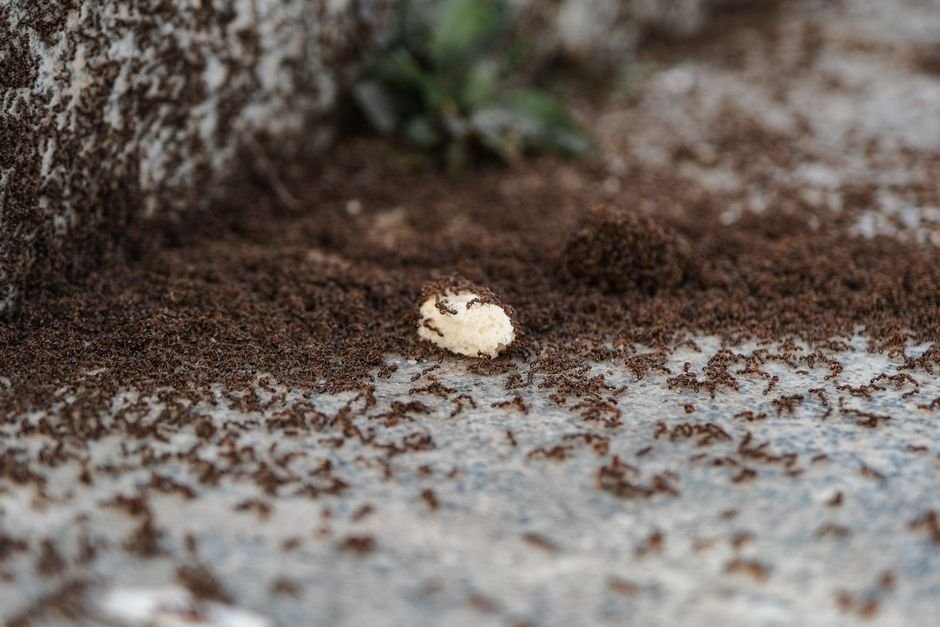
If you're seeing ants in your kitchen, you're not alone; around 80% of households deal with this issue at some point. To address the problem effectively, you'll need to consider various strategies that don't involve toxic chemicals. This article will guide you through seven straightforward methods to eliminate ants and regain control of your kitchen space.
Many solutions blend traditional pest control with natural ant repellents, giving you flexibility based on your priorities. If you’re curious about DIY techniques or looking for something ready-made, there’s something here for everyone.
1. Identify the Source of Infestation
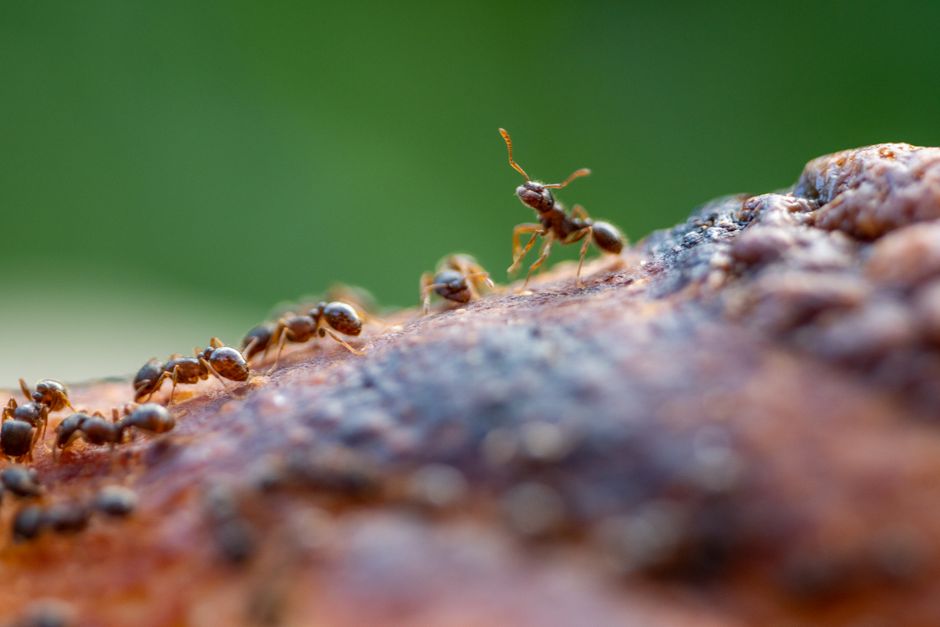
The first step in effectively getting rid of ants is to identify their entry points and food sources. Common ants are usually attracted to sugary and greasy substances found in the kitchen. Understanding where they enter your home can help you block those paths. It’s best for anyone who wants to tackle the problem proactively.
Tip: Look for ant trails and nests. Following them back to their source can help you address the root of the problem directly.
2. Clean Thoroughly and Remove Food Sources
A clean kitchen is less inviting for ants. Ensure all food is stored in airtight containers, and regularly wipe down surfaces to remove crumbs and spills. This proactive approach is a strong deterrent for any ant activity and works best for households with children or pets who may leave food around.
Tip: Use a mixture of vinegar and water to clean surfaces. The acidity of vinegar disrupts ants’ scent trails, making it harder for them to navigate.
3. Use Ant Traps
Ant traps are another effective method for managing infestations. They attract ants to a bait that’s laced with poison, allowing the ants to carry it back to their colony. This is especially useful for extensive infestations since it targets the colonies directly. It’s perfect for those who want a stealth approach without visible mess.
Tip: Place traps along the suspected ant trails and near their entry points for the best results.
4. Deploy Natural Ant Repellents
If you prefer a natural approach, there are several ant repellents you can make at home. Ingredients like peppermint oil, cayenne pepper, or cinnamon can deter ants. This strategy is particularly suitable for anyone concerned about chemicals affecting pets or children.
Tip: Mix 10 drops of peppermint oil with water in a spray bottle. Spraying this solution around entry points and trails can effectively deter ants.
5. Try Boric Acid Baits
Boric acid is a popular and effective ant bait for many homeowners. It disrupts the ants’ digestion and can be deadly to colonies if ingested in large enough quantities. It’s particularly effective for anyone comfortable with using a chemical but still looking for an affordable option. When handled properly, it’s a low-risk solution.
Tip: Mix equal parts of boric acid, sugar, and water to create a bait. Place it discreetly where ants frequent.
6. Seal Cracks and Crevices
Prevent ants from entering your home by sealing cracks and crevices in walls, floors, and windows. This method is crucial for long-term control, especially in older homes where entry points might be less obvious. It suits anyone wanting to take future prevention into account, not just immediate elimination.
Tip: Use caulk or weather stripping to seal gaps, focusing on areas around pipes and door frames.
7. Consider Professional Pest Control
If all else fails or the infestation is severe, reaching out for professional pest control may be necessary. Pest control experts can apply stronger treatments that are often more effective in eradicating stubborn infestations. This option is ideal for those who prefer a hands-off approach or have not found success with DIY solutions.
Tip: Discuss methods with the pest control company to ensure they align with your preferences for chemical use and safety.

How to Choose the Right Method
For those seeking quick results, professional extermination services are the best choice, especially in severe infestations. If you prefer a natural approach and have children or pets at home, essential oils or homemade traps may suit you better. Assess your situation to choose the most appropriate method for your needs. You can learn more about how to get rid of ants in kitchen here.
See also our take on induction cooktop reviews.
There is more on specialty coffee beans near elsewhere on the site.
Frequently Asked Questions
Why do ants invade kitchens?
Ants invade kitchens primarily in search of food and water sources. Common attractants include spilled food, unsealed containers, and even pet food, making kitchens a frequent target.
What natural remedies repel ants?
Natural remedies such as a mixture of vinegar and water, essential oils like peppermint or tea tree oil, and diatomaceous earth can effectively repel ants. Spraying these substances in areas where ants are seen can create barriers they are reluctant to cross.
How can I keep ants out of my kitchen?
To keep ants out of your kitchen, seal all food in airtight containers and clean up any spills or crumbs immediately. Additionally, seal any cracks or entry points in walls and around windows and doors to eliminate potential access points.
Are there effective ant traps for kitchens?
Yes, there are various effective ant traps available for kitchens, including bait stations and gel traps. These traps work by attracting ants with bait and then killing them, helping to reduce the ant population in your kitchen.
Can cleaning habits reduce kitchen ants?
Absolutely, maintaining good cleaning habits can significantly reduce kitchen ants. Regularly cleaning surfaces, sweeping floors, and taking out the trash can eliminate food sources and make your kitchen less enticing to ants.



Leave a Reply