

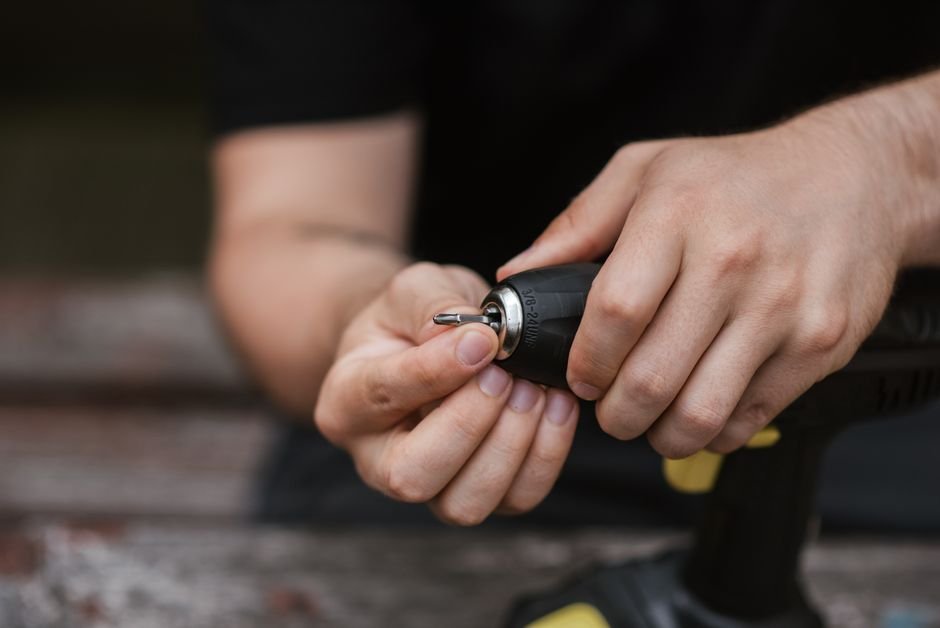
Neglecting tool maintenance can cost you up to 30% of their lifespan and lead to unexpected repairs. A consistent care routine can be achieved in just 10 to 15 minutes each week. Here's how I efficiently maintain my tools while prioritizing aspects like care, rust prevention, and storage solutions.
First, understanding how to maintain your home improvement tools starts with making a clear plan about what needs attention. I usually assess my tools after every major project, which helps me pinpoint what needs cleaning or repairs. Most people tend to overlook this crucial step, assuming that if they don’t see any visible damage, everything is fine.
This belief could lead to bigger issues down the line.

Regular Cleaning and Inspections Save Time
Tool maintenance should begin with a thorough cleaning routine. I find that wiping down tools after use can dramatically reduce buildup. Use a damp cloth for wood or non-metal surfaces and a soft brush for rust-prone materials. For instance, I keep some vinegar on hand, which works wonders for removing rust from metal tools.
Let it soak for a few minutes and then scrub it off with a wire brush. This process only takes about 5 minutes per tool and can prevent costly replacements later.
Assessing wear and tear during this cleaning process is just as critical. Look for chips, cracks, or excessive wear in the elements that come into contact with materials. I also take the time to tighten any loose screws or bolts. This usually takes me no more than an additional 5 minutes but prevents tools from breaking during crucial projects.

Investing in Rust Prevention Techniques
Rust is a silent killer of metal tools. I learned early on that applying a thin layer of oil to metal surfaces can provide a protective barrier against moisture. I use a light machine oil or a specialized rust inhibitor. It’s a straightforward step, taking maybe two minutes per tool, and produces incredible dividends in longevity.
Extra care should be taken after any usage that involves exposure to water or all-purpose cleaner. I have a habit of cleaning tools that come in contact with water and then applying oil immediately afterward. Failing to do so can lead to rust forming in just a day or two, especially in humid conditions.
Effective Storage Solutions Keep Tools in Prime Condition
Storing tools improperly can lead to rapid deterioration. I prefer wall-mounted storage for hand tools; it keeps them organized and readily available. For larger power tools, I utilize a heavy-duty tool chest that is protected from the elements and keeps them secure. I suggest ensuring that your storage area has good ventilation to reduce humidity levels.
Toolboxes should always be labeled and organized by type or project, which saves time when looking for what you need. Trust me, spending 15 minutes organizing your tools is much more efficient than searching through a chaotic pile. Additionally, I use silica gel packets in my toolboxes to absorb any excess moisture.
The Limits of Your Tools
Knowing when to retire a tool is just as vital as maintaining it. Most hand tools can last a lifetime if cared for, but power tools may have parts that wear out. I believe that whenever a tool begins to show signs of malfunction, it’s worth considering a replacement instead of risking safety.
I’ve found that many people hesitate to dispose of tools because of their initial cost, but the hidden costs of injuries or inefficient work can be even higher.
Regular maintenance checks will help you keep an eye on operational efficiency. If a tool seems to struggle with tasks it once performed easily, make a note to repair or replace it. Prioritize your safety and performance over the nostalgia of wielding an old tool that might have been your favorite.
Using Comprehensive Maintenance Plans
I’ve come to appreciate creating a seasonal maintenance checklist for my tools. This list typically includes major tasks like inspecting power cables, replacing worn-out blades, and checking battery life. Depending on your usage, a thorough seasonal maintenance session can take about an hour, but it pays off in the long run by ensuring everything operates smoothly when you need it.
I recommend scheduling this right after each major season of use.
Consider keeping records of which tools have been serviced, what parts were replaced, and when the next maintenance session is due. This organized approach keeps you on track and helps avoid any last-minute scramble before a project.
Final Recommendations for Prolonging the Life of Your Tools
To ensure your tools last, prioritize regular cleaning and rust prevention with protective sprays. For those with limited space, wall-mounted storage can free up your workshop while providing easy access.
We cover organization tools in more depth separately.
Frequently Asked Questions
Why is regular tool maintenance important?
Regular tool maintenance is crucial because it enhances their performance, prolongs their lifespan, and ensures safety during use. Routine checks and servicing can also prevent unexpected breakdowns and costly repairs.
How can I prevent tool rusting?
To prevent tool rusting, keep your tools dry and store them in a climate-controlled environment. Applying a thin layer of oil or a rust preventative spray after cleaning can also create a protective barrier against moisture.
What are the best cleaning solutions for tools?
The best cleaning solutions for tools are often mild soap mixed with warm water for general cleaning, while rusted tools may benefit from vinegar or a specific rust remover. Always ensure tools are thoroughly dried after cleaning.
Can improper storage damage tools?
Yes, improper storage can lead to damage by exposing tools to moisture, dirt, and extreme temperatures, which can cause rust and deterioration. Keeping tools organized and in a designated, dry area helps maintain their condition.
How often should I check my power tools?
You should check your power tools at least every few months, or more frequently if they are used regularly. Regular inspections help identify wear and tear early, ensuring the tools are safe and functional.
For more about how to maintain your home improvement tools, it’s important to follow a detailed approach.



Leave a Reply