

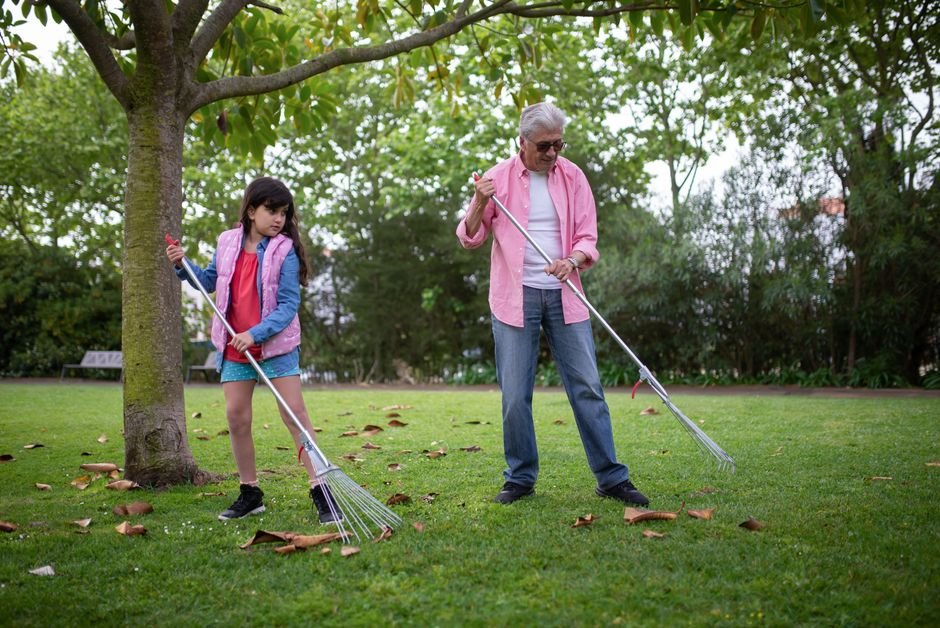
Improper use of a garden rake can lead to a 30% reduction in garden efficiency, harming both soil structure and plant health. Knowing how to wield this tool can significantly ease tasks such as soil aeration and leaf collection, allowing for a thriving garden environment. Here's how to use your garden rake effectively to avoid common pitfalls and optimize your gardening efforts.
Understanding the various types of rakes available and their proper techniques can significantly improve your garden maintenance routine. In this guide, I’ll share my insights and methods that have worked well for me. Knowing how to wield your rake not only protects your plants but also ensures a healthier growing environment.
Choosing the Right Garden Rake
Not all rakes are created equal, and selecting the right one is crucial. For instance, a standard flat rake works well for collecting leaves and leveling the soil. If you’re looking to break up compacted soil, a bow rake is more effective due to its heavier, curved tines.
I personally prefer using a steel-tined rake for general maintenance; it’s durable and performs well in a variety of conditions.
Think about your garden size and the tasks at hand. If your yard is predominantly flat, a lightweight rake will suffice. On the other hand, if you’re tackling rocky or uneven terrain, a heavier rake with sturdy tines can save you time and effort.
Always inspect your rake before use; bent or broken tines can lead to ineffective raking and potential damage to your plants.
Essential Raking Techniques for Effective Garden Work
Using a garden rake effectively involves two key techniques: the right angle and the correct pressure. When raking leaves, I find angling the rake slightly allows for better collection without disturbing the soil. You want to gently sweep the leaves toward you instead of digging into the ground. This subtle change in angle makes a significant difference in protecting your perennial crops.
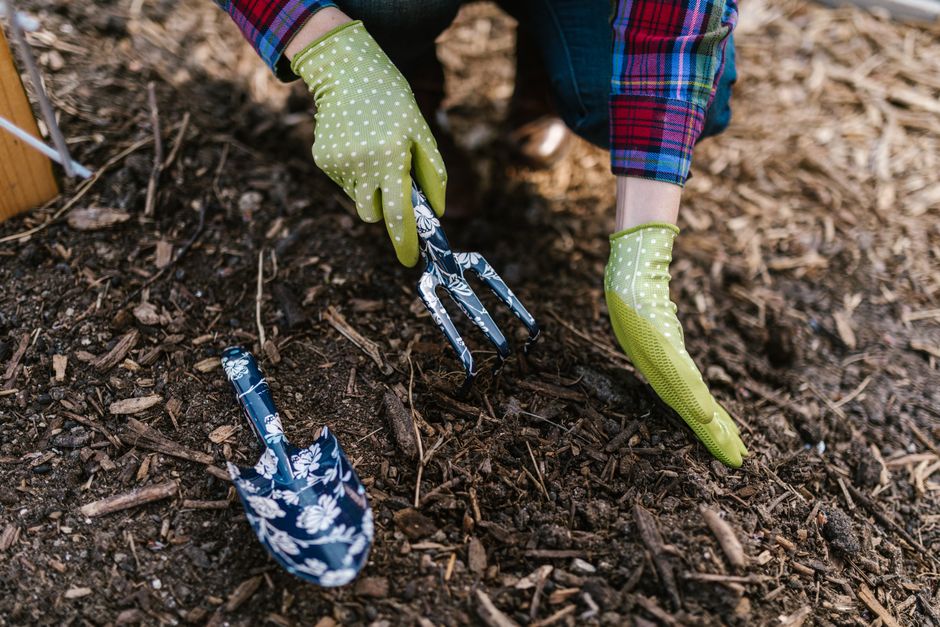
For tasks like loosening soil, apply firm pressure while raking. Use a back-and-forth motion, focusing on small sections at a time. This helps aerate the soil without compacting it. If soil compaction is a major issue, consider using a garden fork first to break it up before raking. This combo method is much more effective in ensuring healthy soil conditions.

When to Rake: Timing Matters
Timing your raking efforts can make or break your gardening success. Ideally, raking should be done when the soil is dry to avoid compaction. After rainfall, soil tends to be more workable, but raking immediately can lead to damage. I usually wait a day or two after a rain before tackling the garden.
In terms of seasonal care, my approach is to rake leaves in the fall and early spring. Leaving a blanket of leaves can prevent moisture evaporation in the winter but can lead to mold and mildew if left too long. Maintain a clear route, especially during the dormant winter period, so your plants have access to sunlight when they wake up in the spring.
Additional Tips for Using a Garden Rake
It’s easy to forget basics when you’re in the rhythm of gardening. First, always rake toward yourself with steady pressure, this maintains control and reduces the risk of throwing dirt at your plants. Be mindful of your posture; bending too much can lead to back strain. Keep your back straight and use your legs for power.
Lastly, I recommend wearing gloves when raking, especially if your rake has sharp tines. Protecting your hands allows for more extended periods of work without discomfort. Make raking an efficient part of your garden maintenance routine by combining it with other tasks, like weeding or planting.
Final Verdict: Mastering the Garden Rake for Healthy Plants
For best results, opt for a metal rake for heavy-duty tasks like soil cultivation, while a lightweight plastic rake is suitable for gathering leaves. Both types serve their purpose well, depending on what specific gardening project you're tackling, ensuring your efforts contribute positively to your garden's health.
If that matters to you, our piece on safely avoid common goes further.
Frequently Asked Questions
How do you properly use a garden rake?
To properly use a garden rake, hold the handle with both hands for a firm grip and angle the tines towards the ground. Use a smooth, sweeping motion to gather leaves, debris, or loosen soil without exerting excessive force, allowing the rake to do the work.
What is the best way to rake leaves in a garden?
The best way to rake leaves in a garden is to start from the edges and work your way towards the center, using broad sweeps with the rake. Raking leaves when they are dry, rather than wet, will make the task easier and more effective.
Can using a garden rake improve soil health?
Yes, using a garden rake can improve soil health by aerating the soil and breaking up compacted areas, allowing for better water and nutrient infiltration. Additionally, raking can help incorporate organic matter like decomposed leaves into the soil.
Why does my rake damage the garden plants?
Your rake may damage garden plants if used too forcefully or if the tines catch on delicate stems and leaves. To prevent damage, use the rake gently and try to avoid areas where plants are densely populated.
How does a rake help in garden maintenance?
A rake helps in garden maintenance by efficiently collecting debris and leaves, promoting cleanliness and tidiness in the garden. It also aids in soil preparation, leveling the surface, and incorporating amendments, which is essential for healthy plant growth.



Leave a Reply