

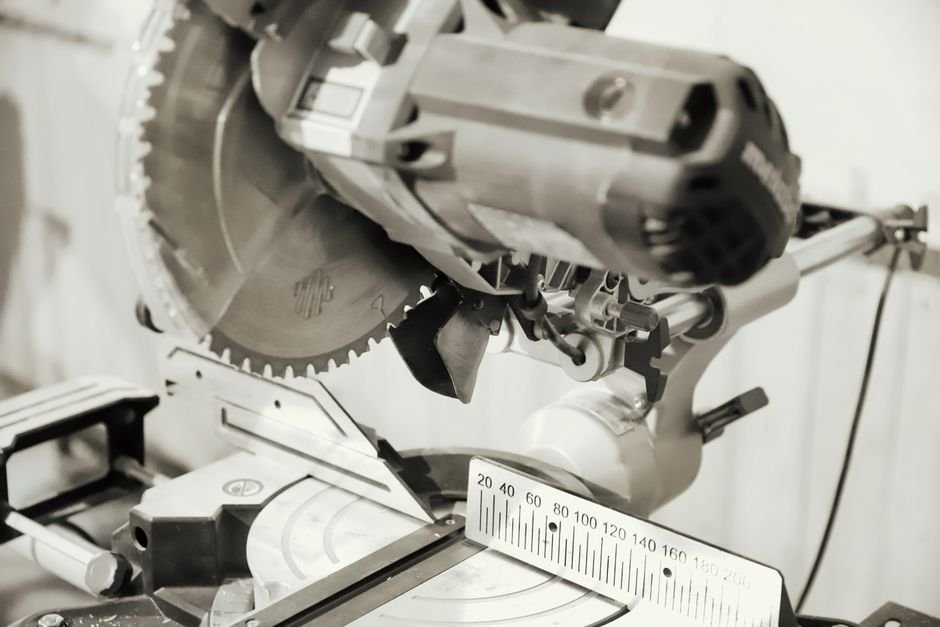
Injuries from miter saws result in thousands of emergency room visits each year, underscoring the importance of safety. Understanding how to operate this tool correctly is crucial to avoid accidents while achieving accurate cuts. Here are key tips to ensure you stay safe while using a miter saw.
While I might be passionate about getting the job done right, working with power tools like a miter saw means that ignorance isn’t bliss. It’s crucial to protect both yourself and those around you, especially if you’re operating in a shared workshop environment. Here’s what you need to know about safe miter saw use.

Essential Safety Gear for Miter Saw Use
Before you even plug in your miter saw, it’s vital to gear up properly. This includes wearing personal protective equipment (PPE). I’m often surprised at how many people skip this part. Here’s what I recommend:
- Safety glasses: Protect your eyes from flying debris. One small splinter can ruin your day.
- Ear protection: The noise level of a miter saw can be significant, so wear earmuffs or earplugs.
- Dust mask: Sawing generates a lot of dust, which can be harmful when inhaled.
- Non-slip footwear: This helps prevent slips while maneuvering around your workspace.
While it might seem like an extra step, taking the time to wear safety gear could save you from a trip to the hospital. I don’t take any chances with my well-being, and you shouldn’t either.
Preparing Your Workspace
Setting up your workshop for safety is just as important as donning safety gear. Make sure the area around your miter saw is clear of clutter, so you can move freely without tripping. I also recommend keeping your tools organized; this minimizes the chance of reaching for something in a hurry and risking an accident.
Ensure your miter saw is on a stable surface and securely clamped down. A shaky or uneven table can lead to inaccurate cuts, which not only hampers your work but also poses a safety risk. You might want to incorporate good lighting as well; working in poor lighting can lead to miscalculations and potential injuries.
Mastering the Miter Saw: Techniques That Enhance Safety
Understanding the mechanics of your miter saw will help you use it confidently and safely. Make it a habit to check the blade before each use. Ensure it’s sharp and free from any damage; a dull blade can take longer to cut and increase the chances of kickback.
When you set your material against the fence, make sure it’s firmly pressed to avoid movement during the cutting process. Always use both hands to grip the miter saw handle while executing a cut. This adds extra stability and reduces the chance of your hands slipping.
Also, never reach across the blade, I’ve seen people do this, and it’s a recipe for disaster.
Step-by-Step Miter Saw Operation
Using a miter saw correctly can significantly reduce risks. Start by adjusting the miter saw to the desired angle. Some saws have preset angles which can be helpful. Then, place your material against the fence and hold it firmly in place.
Before you turn on the saw, make sure your hands are clear of the cutting path. Once you power it on, allow the blade to reach full speed before making your cut. Never force the material through the blade; let the saw do the work. After cutting, wait until the blade comes to a complete stop before removing your material.
This simple step can prevent accidents.

Know Your Limits: When to Seek Help
Don’t hesitate to seek assistance when the job feels overwhelming. For larger pieces of wood, get a buddy to help stabilize the material while you cut. Many injuries result from trying to manage a difficult job alone, and I’ve learned that two pairs of hands are better than one in these situations.
If you’re not confident in your skills or if you’re working with unfamiliar materials, consider asking someone more experienced to guide you. Often, a few pointers can make a significant difference in your cutting efficiency and overall safety.
For more, read about simple household.
Related reading: slow cooker not heating.
Final Thoughts: Your Safety Comes First
Always wear appropriate safety gear, including goggles and ear protection, when using a miter saw. For those who prefer the convenience of pre-set angles, consider a compound miter saw; if accuracy is your priority, a sliding miter saw is the better choice for larger materials. Prioritize safety to successfully complete your projects. If you want to learn how to use a miter saw safely, ensure you follow best practices for safe operation.
Frequently Asked Questions
What is the safest way to use a miter saw?
The safest way to use a miter saw is to ensure that the workpiece is securely clamped and to always keep your hands a safe distance from the blade. Additionally, wearing appropriate personal protective equipment, like safety glasses and hearing protection, is essential.
How can I prevent kickback on a miter saw?
To prevent kickback on a miter saw, make sure your workpiece is properly supported and secured before cutting. Additionally, always ensure that the blade is sharp and correctly aligned, as dull blades can increase the risk of kickback.
Why is it important to wear safety gloves with a miter saw?
Wearing safety gloves is important when using a miter saw because they provide a better grip on the material, reducing the chances of slippage during cutting. However, be cautious, as gloves can also pose a risk if they get caught in the saw blade.
Can you use a miter saw for different materials safely?
Yes, you can use a miter saw for different materials safely, but you must adjust the settings and blades according to the material being cut. Always consult the manufacturer's guidelines to ensure you are using the correct blade for the material to prevent accidents.
Is a miter saw dangerous if not used correctly?
Yes, a miter saw can be very dangerous if not used correctly, as improper handling or inattention can lead to serious injuries. It's crucial to follow safety guidelines and operational instructions to mitigate risks.

Leave a Reply