

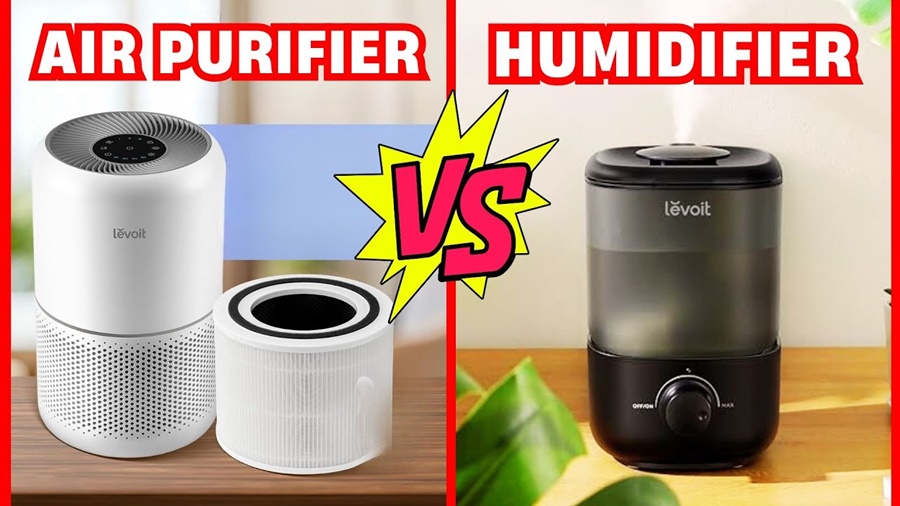
When it comes to improving indoor air quality, two devices are often discussed: humidifiers and air purifiers. While they may seem similar at first glance, they serve very different purposes. Understanding how each works—and when to use one over the other can make a significant difference in comfort, health, and overall air quality inside your home.
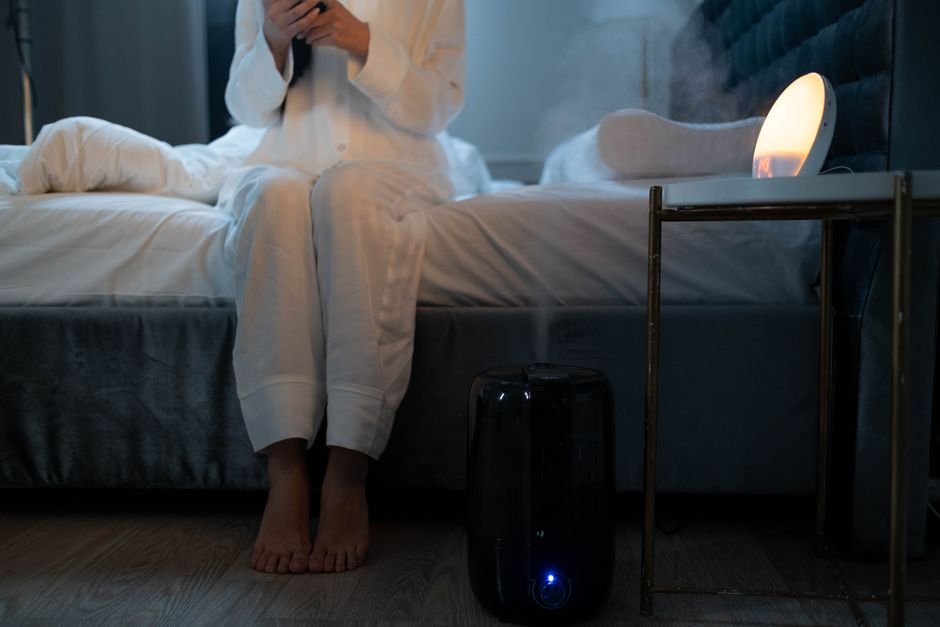
What Is a Humidifier?
A humidifier is a device designed to add moisture to the air. It is especially useful in dry environments or during winter months when indoor heating reduces humidity levels.
How It Works
Humidifiers release water vapor or steam into the air to increase humidity. There are several types, including:
- Evaporative humidifiers
- Ultrasonic humidifiers
- Steam vaporizers
Benefits of Using a Humidifier
- Relieves dry skin, lips, and eyes
- Helps reduce irritation in the throat and nasal passages
- Can ease symptoms of colds and sinus congestion
- Protects wooden furniture and flooring from cracking
- Improves comfort in dry climates
Potential Downsides
- Excess humidity can promote mold and dust mites
- Requires regular cleaning to prevent bacteria buildup
- Not effective for removing pollutants or allergens
What Is an Air Purifier?
An air purifier is designed to remove contaminants from the air, such as dust, pollen, smoke, and even microscopic pollutants.
How It Works
Air purifiers use filters and other technologies to trap or neutralize airborne particles. Common filtration methods include:
- HEPA filters (capture very fine particles)
- Activated carbon filters (remove odors and gases)
- UV light (kills bacteria and viruses in some models)
Benefits of Using an Air Purifier
- Reduces allergens like pollen and pet dander
- Helps eliminate smoke and unpleasant odors
- Captures dust and airborne particles
- Improves breathing conditions for people with asthma or allergies
- Can reduce exposure to harmful pollutants
Potential Downsides
- Does not add moisture to dry air
- Filters need regular replacement
- Some models can be expensive
- Ineffective against humidity-related issues
Key Differences Between Humidifier and Air Purifier
| Feature | Humidifier | Air Purifier |
|---|---|---|
| Primary Function | Adds moisture to air | Removes pollutants from air |
| Best For | Dry air, skin irritation | Allergies, dust, smoke |
| Effect on Humidity | Increases humidity | No effect |
| Maintenance | Cleaning water tank | Replacing filters |
| Health Impact | Comfort-related benefits | Respiratory health improvements |
When Should You Use a Humidifier?
A humidifier is ideal if:
- You live in a dry climate
- You experience dry skin or frequent nosebleeds
- Indoor heating makes the air uncomfortable
- You have mild cold or sinus irritation
However, it’s important to monitor humidity levels. Too much moisture can create an environment where mold and bacteria thrive.
When Should You Use an Air Purifier?
An air purifier is a better choice if:
- You suffer from allergies or asthma
- There is dust, smoke, or pollution in your environment
- You have pets that shed dander
- You want cleaner, fresher indoor air
Air purifiers are particularly useful in urban areas where air pollution levels can be high.
Can You Use Both Together?
Yes, and in many cases, using both a humidifier and an air purifier together can provide the best results.
- The humidifier maintains comfortable moisture levels
- The air purifier ensures the air remains clean and free of contaminants
This combination is especially beneficial in bedrooms or living spaces where comfort and air quality both matter.
Which One Should You Choose?
The right choice depends on your specific needs:
- Choose a humidifier if dryness is your main concern
- Choose an air purifier if air cleanliness is your priority
- Choose both if you want optimal indoor air quality and comfort
Common Mistakes to Avoid
Many people misuse humidifiers and air purifiers unintentionally. One common error with humidifiers is filling them with tap water, which can introduce minerals and bacteria. Always use distilled or demineralized water for the best results.
With air purifiers, a frequent mistake is placing them in the wrong location. Ensure the device is away from walls and furniture to maximize airflow. Additionally, don’t ignore the filter replacement schedule; a clogged filter reduces efficiency.
Cost Considerations
When choosing between a humidifier and an air purifier, consider initial and ongoing costs. Basic humidifiers can range from $20 to $200, depending on features and size. Higher-end models may include smart technology but require more maintenance.
Air purifiers generally range from $50 to over $600. Consider the costs of replacement filters, which can add up. For example, HEPA filters may cost between $30 and $100 per change, depending on the model.

Ideal Users for Each Device
Humidifiers are beneficial for individuals in dry climates or those suffering from allergies and respiratory issues. If you often experience dry skin, consider investing in a humidifier.
In contrast, air purifiers suit those with asthma, pet allergies, or those living in urban areas with polluted air. If you find your indoor air quality poor, an air purifier may be necessary for a healthier environment.
Conclusion
Humidifiers and air purifiers are not interchangeable they solve different problems. A humidifier improves moisture levels, making the air more comfortable, while an air purifier cleans the air, making it healthier to breathe. By understanding your environment and personal needs, you can decide which device or combination is best suited for your home.
Additionally, your humidifier could be affecting indoor air quality, as highlighted by experts in a recent article affecting indoor air quality.





Leave a Reply