

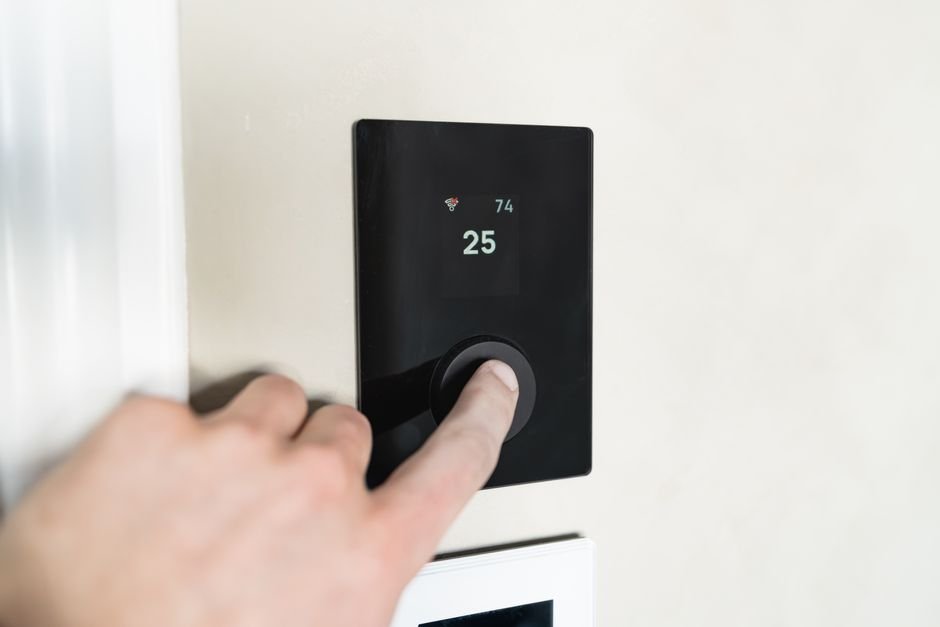
Smart thermostats can reduce energy costs by up to 23% per year, making them a valuable upgrade for any household. These devices do more than simply adjust the temperature; they learn your habits and optimize your heating and cooling based on your routines.
So, what is a smart thermostat? It’s a device that connects to your home’s heating and cooling systems and can be controlled remotely, often through a smartphone app. These thermostats use Wi-Fi to communicate with your devices, allowing you to change settings on the go or set schedules that adjust the temperature automatically based on your habits.

How They Enhance Temperature Control
Smart thermostats really shine when it comes to climate control. Traditional thermostats are quite basic. You set a temperature and wait for the system to kick in, but they don’t learn anything about your preferences or habits. In contrast, smart thermostats use machine learning algorithms that track how often you change the temperature.
For instance, if you tend to overheat your living room in the evening while watching TV, the thermostat can remember this pattern. On subsequent evenings, it may preemptively adjust the temperature to create a cozy environment, anticipating your needs before you get there. This “learning” capability can lead to both improved comfort and additional savings on your utility bills.
Energy Efficiency That Pays Off
One of the significant benefits of a smart thermostat is its potential for energy efficiency. According to the U.S. Department of Energy, heating and cooling account for nearly half of a home’s energy consumption. An efficient thermostat can lead to substantial cost savings, especially when paired with features like temperature scheduling.
With temperature scheduling, you can set specific times for your heating and cooling systems to operate. For example, you could lower the temperature while you’re away during the day and adjust it back to a comfortable level just before you return home.
Over time, these incremental savings in energy usage can add up significantly, often covering the initial cost of the smart thermostat within a year or two.

The Convenience of Remote Access
Another perk is the convenience of remote access. When traveling, the last thing you want to worry about is whether you’ve left your home too hot or too cold. Smart thermostats allow you to check and modify the temperature from anywhere through your smartphone.
This capability not only adds comfort but also peace of mind, ensuring that you manage energy use effectively even while you’re miles away.
Additionally, many models come equipped with geofencing capabilities, which adjust the temperature based on your proximity to home. When you’re close, the system ramps up the heating or cooling to make sure you arrive to a comfortable environment. And when you leave, it can scale back to save energy. It’s a nifty feature that aligns well not only with comfort but also efficiency.
Choosing the Right Smart Thermostat
When considering a smart thermostat, pay close attention to its compatibility with your HVAC system, as not all models work with every type of system. Additionally, various models offer different features like touchscreens, voice control, and integration with other smart home devices. For instance, if you already have a smart home security system, choosing a thermostat that can communicate with it makes sense.
Investing in the right smart thermostat not only supports energy efficiency but can significantly enhance your overall home automation experience. It’s about choosing features that suit your lifestyle while maximizing what you can gain from the technology.
A Committed Verdict on Smart Thermostats
For homeowners focused on significant energy savings and automation, a smart thermostat is the best choice. Those with older systems or who prefer manual control may find a traditional thermostat sufficient, but the advantages of a smart option often outweigh the upfront investment.
Our write-up on house for a healthier picks up where this leaves off.
Frequently Asked Questions
How does a smart thermostat save energy?
A smart thermostat optimizes heating and cooling based on user habits and preferences, adjusting temperatures automatically when you're home or away. This reduces energy consumption by avoiding unnecessary heating or cooling, often resulting in lower utility bills.
What makes a thermostat 'smart'?
A thermostat is considered 'smart' when it can connect to Wi-Fi and is programmable or can learn users' behaviors. Features such as remote access via mobile apps, integration with voice assistants, and advanced scheduling capabilities also define its smartness.
Can a smart thermostat detect when I'm away?
Yes, many smart thermostats use geofencing technology and occupancy sensors to determine when you're away from home. This allows the thermostat to adjust the temperature accordingly, further enhancing energy savings.
Do smart thermostats work with all HVAC systems?
Smart thermostats are compatible with most HVAC systems, but it's important to check compatibility with your specific system type, whether it's central air, heat pumps, or radiant heating. Some may require additional adapters or equipment in specific configurations.
Why should travelers consider smart thermostats?
Travelers may benefit from smart thermostats because they allow remote temperature management, ensuring homes remain at optimal conditions while away. Additionally, features like vacation modes prevent energy waste by maintaining efficient settings during extended absences. Moreover, understanding what is a smart thermostat will help you make an informed decision when selecting one.





Leave a Reply