

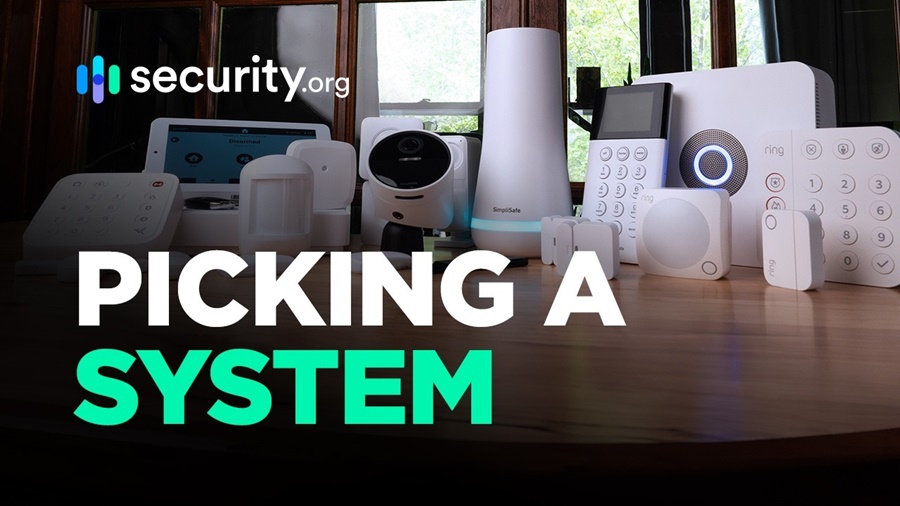
Home security systems have become an essential part of modern living. Whether you want to protect your family, deter intruders, monitor deliveries, or simply gain peace of mind, choosing the right security setup matters. One of the biggest decisions homeowners face is whether to install a monitored or unmonitored home security system.
Both options offer protection, but they work differently and suit different lifestyles, budgets, and security needs. Understanding the advantages, disadvantages, costs, and features of each can help you make the best choice for your home.
What Is a Monitored Home Security System?
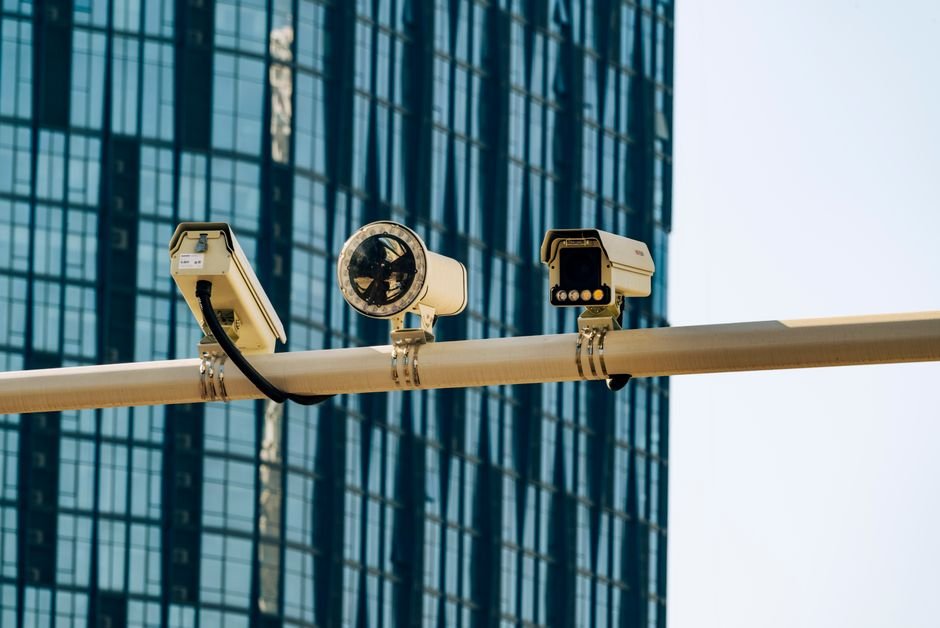
A monitored home security system is connected to a professional monitoring center that operates 24/7. When the system detects suspicious activity—such as a break-in, fire, or carbon monoxide leak—the monitoring team receives an alert immediately.
The monitoring center then verifies the emergency and contacts the homeowner, emergency responders, or both.
How Monitored Systems Work
A monitored system usually includes:
- Door and window sensors
- Motion detectors
- Security cameras
- Alarm sirens
- Smoke and carbon monoxide detectors
- Control panel or mobile app
If a sensor is triggered:
- The alarm sounds.
- The monitoring center receives the signal.
- Staff attempt to contact the homeowner.
- If necessary, police, fire, or medical services are dispatched.
Many systems today also allow remote access through smartphone apps, enabling users to arm or disarm the system from anywhere.
Advantages of Monitored Home Security Systems
1. 24/7 Professional Monitoring
The biggest advantage is continuous professional oversight. Even if you are asleep, traveling, or unable to respond, trained operators can act on your behalf.
This is especially valuable during:
- Burglaries
- Fires
- Gas leaks
- Medical emergencies
2. Faster Emergency Response
Monitoring centers can quickly notify authorities, potentially reducing damage or preventing injuries.
For example:
- Fire departments can respond before flames spread.
- Police can be alerted during a break-in.
- Medical help can arrive faster for elderly residents.
3. Peace of Mind
Knowing professionals are watching over your home around the clock provides reassurance, especially for:
- Families with children
- Frequent travelers
- Elderly homeowners
- People living alone
4. Smart Home Integration
Many monitored systems integrate with:
- Smart locks
- Smart lights
- Video doorbells
- Thermostats
- Voice assistants
This creates a more connected and automated home environment.
5. Insurance Discounts
Some insurance companies offer discounts on homeowners insurance for professionally monitored security systems because they reduce risk.
Disadvantages of Monitored Home Security Systems
1. Monthly Fees
Most monitored systems require ongoing subscription payments. Costs typically range from moderate to expensive depending on features and services.
2. Long-Term Contracts
Some providers require multi-year contracts with cancellation penalties.
3. Dependence on Internet or Cellular Service
Although many systems have backup options, connectivity problems may interrupt communication with the monitoring center.
4. False Alarms
Accidental triggers can result in unnecessary emergency dispatches and potential fines in some areas.
What Is an Unmonitored Home Security System?
An unmonitored home security system operates independently without professional oversight. When triggered, the system usually:
- Sounds a loud alarm
- Sends notifications directly to the homeowner
- Records video footage
The homeowner is responsible for responding to alerts and contacting authorities if needed.
How Unmonitored Systems Work
These systems often include:
- Motion sensors
- Door and window alarms
- Security cameras
- Smart notifications
- Mobile app controls
If an intrusion occurs:
- The alarm activates.
- The homeowner receives an alert on their phone.
- The homeowner decides what action to take.
Some systems store footage locally or in cloud storage for later review.
Advantages of Unmonitored Home Security Systems
1. Lower Cost
Unmonitored systems are generally more affordable because there are no monthly monitoring fees.
You usually pay only for:
- Equipment
- Installation
- Optional cloud storage
2. Greater Control
Homeowners manage the system themselves and decide how to respond to alerts.
3. No Contracts
Most self-monitored systems do not require long-term agreements.
4. Easy DIY Installation
Many unmonitored systems are designed for quick installation without professional assistance.
This makes them popular among:
- Renters
- Apartment residents
- Budget-conscious homeowners
5. Flexible Customization
Users can add or remove devices according to their needs and budget.
Disadvantages of Unmonitored Home Security Systems
1. No Professional Response
If you miss a notification or cannot respond quickly, no one else will intervene automatically.
2. Reliance on the Homeowner
The system is only effective if the homeowner:
- Checks alerts promptly
- Has internet access
- Can contact authorities quickly
3. Limited Protection During Travel
When away from home or in areas with poor connectivity, alerts may go unnoticed.
4. Potential Security Gaps
Without professional monitoring, burglars may have more time to act if neighbors ignore alarms.
Key Differences Between Monitored and Unmonitored Systems
| Feature | Monitored System | Unmonitored System |
|---|---|---|
| Professional Monitoring | Yes | No |
| Monthly Fees | Usually required | Usually none |
| Emergency Dispatch | Automatic | Manual |
| DIY Installation | Sometimes | Common |
| Smart Features | Often included | Often included |
| Response Speed | Faster | Depends on homeowner |
| Long-Term Contracts | Possible | Rare |
| Best For | Maximum protection | Budget flexibility |
Which System Is Better for Families?
Families often benefit more from monitored systems because they provide:
- Continuous protection
- Faster emergency response
- Fire and medical monitoring
- Added peace of mind
Parents who travel frequently or have young children may especially appreciate professional monitoring services.
Which System Is Better for Renters?
Renters often prefer unmonitored systems because they are:
- Portable
- Easy to install
- Contract-free
- More affordable
Wireless DIY systems can usually move with the renter to a new property.
Which System Is Better for Elderly Homeowners?
Monitored systems are generally safer for seniors because they can include:
- Medical alert buttons
- Fall detection
- Emergency response coordination
Professional assistance can be critical during health emergencies.
Cost Comparison
Monitored System Costs
Typical expenses may include:
- Equipment purchase
- Professional installation
- Monthly monitoring fees
- Cloud storage subscriptions
Over time, monitored systems can become significantly more expensive.
Unmonitored System Costs
Common expenses include:
- One-time equipment purchase
- Optional storage services
- Possible self-installation tools
Long-term costs are usually lower.
Smart Technology and Mobile Access
Both monitored and unmonitored systems now support advanced smart home features such as:
- Mobile alerts
- Live video feeds
- Remote locking
- Voice commands
- Motion detection zones
The difference lies mainly in who responds during emergencies.
Factors to Consider Before Choosing
Before selecting a system, consider:
Your Budget
Can you comfortably afford monthly monitoring fees?
Your Lifestyle
Do you travel frequently or stay home most of the time?
Your Neighborhood
High-crime areas may benefit more from professional monitoring.
Internet Reliability
Smart systems depend heavily on stable internet connections.
Emergency Needs
Do you need fire, medical, or carbon monoxide monitoring?
Hybrid Security Systems
Some modern systems offer hybrid options where users can:
- Self-monitor most of the time
- Activate professional monitoring temporarily
This can be useful during:
- Vacations
- Business trips
- Special events
Hybrid systems provide flexibility without permanent monthly commitments.
Tips for Improving Any Home Security System
Regardless of which option you choose, you can improve security by:
- Installing outdoor lighting
- Using strong door locks
- Securing windows
- Updating passwords regularly
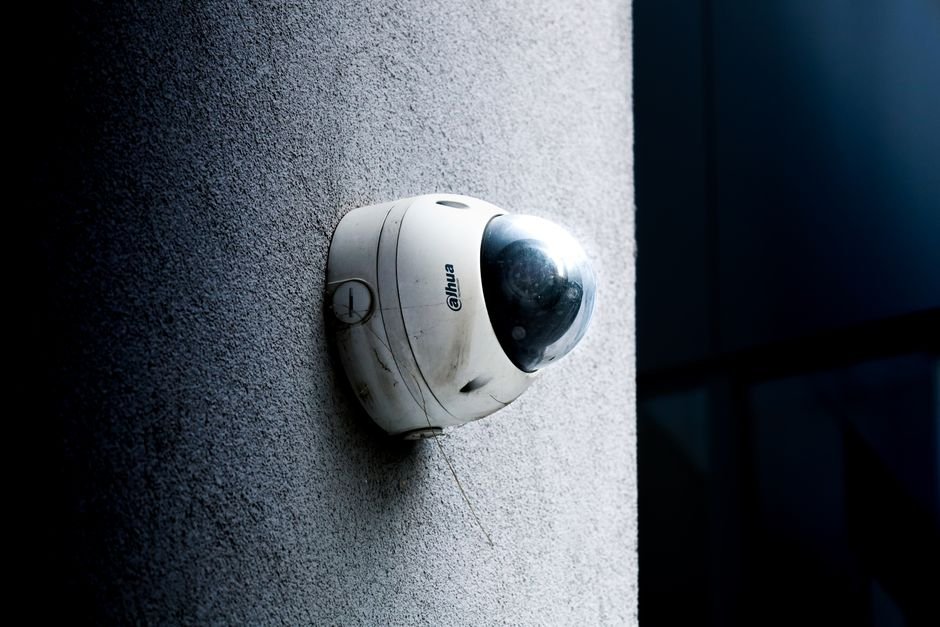
- Placing cameras at entry points
- Displaying security signs
- Testing alarms routinely
A layered approach to security is often the most effective.
Conclusion
Both monitored and unmonitored home security systems can help protect your property and loved ones. The right choice depends on your priorities, budget, and lifestyle.
Choose a monitored system if you want:
- Professional emergency response
- 24/7 oversight
- Maximum peace of mind
Choose an unmonitored system if you prefer:
- Lower costs
- DIY flexibility
- Greater personal control
Ultimately, the best home security system is the one that fits your needs and that you consistently use correctly. A well-maintained security setup whether monitored or unmonitored can significantly improve home safety and confidence.





Leave a Reply