


Two popular appliances that often cause confusion among home cooks are the rice cooker and the multi-cooker. In today’s fast-paced world, kitchen appliances have become essential for saving time and ensuring consistent, delicious meals. While they may look similar at first glance, their features, versatility, and functions differ significantly.
In this article, we’ll explore the differences, advantages, and ideal uses of each to help you decide which one suits your kitchen best.
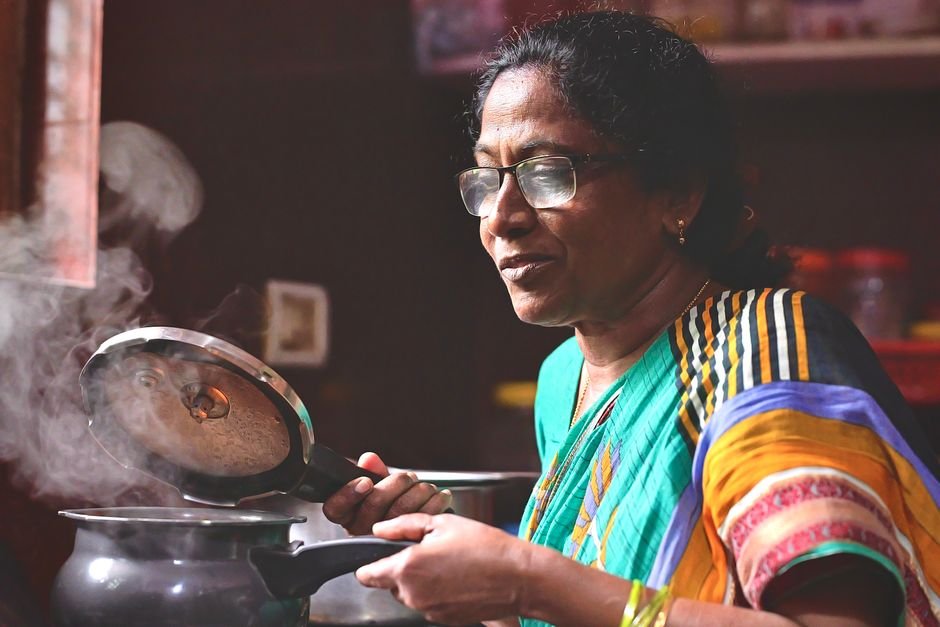
1. What is a Rice Cooker?
A rice cooker is a kitchen appliance specifically designed to cook rice perfectly every time. It automatically manages the temperature and timing needed for fluffy, well-cooked rice, making it a must-have for rice lovers.
Key Features:
- Simple operation: Usually one-touch or button-controlled.
- Automatic shut-off: Switches to “keep warm” mode after cooking.
- Cooking modes: Some advanced models can handle brown rice, porridge, or even steam vegetables.
- Affordable and compact: Typically smaller and more budget-friendly than multi-cookers.
Best For:
- Cooking different types of rice (white, brown, jasmine, basmati).
- Steaming vegetables or dumplings (if a steamer basket is included).
- Small households or people who primarily eat rice-based meals.
2. What is a Multi-Cooker?
A multi-cooker is a versatile kitchen appliance that combines several cooking functions in one device. It can pressure cook, slow cook, sauté, steam, bake, and more, depending on the model. Multi-cookers like the popular Instant Pot have become favorites for their convenience and versatility.
Key Features:
- Multiple cooking functions: Can replace several appliances (pressure cooker, slow cooker, rice cooker, etc.).
- Programmable settings: Pre-set modes for soup, yogurt, stew, rice, and more.
- Faster cooking: Pressure-cooking capability reduces cooking time dramatically.
- Energy-efficient: Uses less energy compared to multiple separate appliances.
Best For:
- Busy individuals who want to prepare full meals quickly.
- People who enjoy experimenting with different cooking styles.
- Larger households or families who need to prepare various dishes regularly.
3. Rice Cooker vs Multi-Cooker: Key Differences
| Feature | Rice Cooker | Multi-Cooker |
|---|---|---|
| Main Purpose | Cooking rice | Multi-purpose cooking (pressure cook, slow cook, etc.) |
| Cooking Functions | Limited (mainly rice and steaming) | Multiple functions in one device |
| Ease of Use | Extremely simple | Slightly more complex but versatile |
| Cooking Speed | Moderate | Faster with pressure cooking |
| Price Range | Budget-friendly | Higher cost depending on features |
| Maintenance | Easy to clean | Requires careful cleaning (gaskets, lid, etc.) |
| Ideal User | Rice lovers or minimalists | Home cooks who want all-in-one functionality |
4. Pros and Cons
Rice Cooker Pros:
- Easy to use and maintain.
- Consistent rice quality.
- Affordable and compact design.
Rice Cooker Cons:
- Limited functionality.
- Not ideal for diverse cooking needs.
Multi-Cooker Pros:
- Highly versatile — can replace multiple appliances.
- Saves time with pressure-cooking function.
- Great for full meal preparation.
Multi-Cooker Cons:
- Learning curve for beginners.
- More expensive.
- Bulky and requires more storage space.
5. Which One Should You Buy?
Your choice between a rice cooker and a multi-cooker depends on your cooking habits, lifestyle, and kitchen space.
- Choose a rice cooker if:
- You mostly cook rice and simple steamed dishes.
- You prefer a straightforward, budget-friendly appliance.
- You have limited kitchen space.
- Choose a multi-cooker if:
- You want to prepare a variety of meals quickly.
- You enjoy experimenting with recipes.
- You’re looking for an all-in-one appliance to save time and energy.
Common Mistakes to Avoid
When using a rice cooker, many people often underestimate the importance of measuring water accurately. Using too much water can result in mushy rice, while too little leads to undercooked grains. Always follow the guidelines specific to your rice type to achieve perfect results.
With multi-cookers, a common mistake is overloading the device. Filling it past the recommended capacity can halt the cooking process or affect the texture of your food. Keep an eye on the maximum fill line and adjust your portion sizes accordingly.
Maintenance and Care
Maintaining your rice cooker is straightforward. Regularly clean the inner pot, lid, and steam tray with warm, soapy water. Avoid using abrasive sponges that can scratch surfaces. For models with non-stick coatings, gentle cleaning preserves longevity.
Multi-cookers require similar attention. Besides cleaning the cooking pot, check sealing rings and valves to ensure they remain in good condition. Replace these parts as needed to enhance performance. Cleaning the exterior is also essential for appearance and functionality.
Cost Comparison
Pricing for rice cookers typically ranges from $20 to $150, depending on the brand and features. Basic models are affordable, making them great for budget-conscious buyers. High-end versions often include fuzzy logic technology that adjusts cooking times for various rice types.
Multi-cookers generally fall between $50 and $300, with more versatility justifying the higher prices. While basic models serve well for steaming and pressure cooking, premium options offer advanced features, such as slow cooking and yogurt making. Analyze your budgeting needs before making a choice.
Who Each Option Suits
If you regularly enjoy rice and simple dishes, a rice cooker is ideal for you. It’s easy to use and efficient for quick meals. Families or individuals who need consistent rice for dishes may find this appliance indispensable.
On the other hand, if you like experimenting with various recipes, a multi-cooker could be the better choice. It’s suitable for busy individuals who want to prepare different types of meals without multiple appliances cluttering the kitchen. Consider your cooking habits when deciding.
Conclusion
If rice is a daily staple in your home, a dedicated rice cooker is a reliable, affordable, and easy-to-use option. However, if you want flexibility and convenience, the multi-cooker is a worthy investment. It allows you to cook everything from soups and stews to yogurt and desserts all in one pot.





Leave a Reply