


Among the most popular tools are the rice cooker, slow cooker, and pressure cooker. In today’s fast-paced world, kitchen appliances have become essential for making cooking easier, faster, and more efficient. While all three are designed to simplify meal preparation, they serve different purposes and use different cooking methods. Understanding their differences can help you choose the right one for your kitchen.
1. Rice Cooker: Simple and Reliable
How It Works
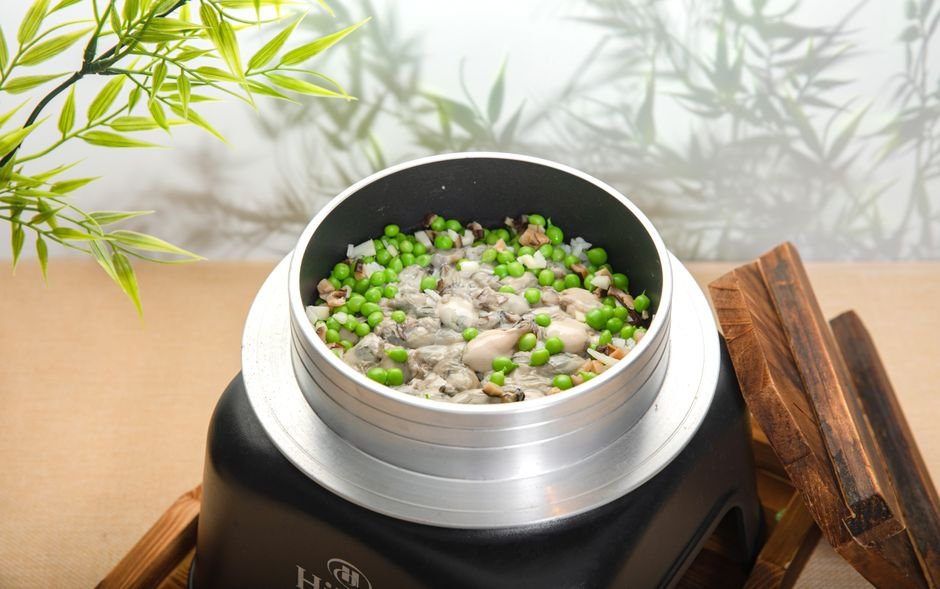
A rice cooker uses moist heat to cook rice evenly. It consists of a heating plate, an inner cooking pot, and a thermostat that automatically adjusts the temperature once the rice absorbs all the water. Most modern rice cookers also come with “keep warm” functions and sometimes even settings for cooking other grains or steaming vegetables.
Advantages
- Ease of use: Just add rice and water, press a button, and the cooker does the rest.
- Consistent results: Prevents burnt or undercooked rice.
- Energy efficient: Uses less power than cooking rice on a stove.
- Multifunctional (in advanced models): Can prepare porridge, quinoa, and even small cakes.
Disadvantages
- Limited use: Mainly designed for rice and grains.
- Small capacity: Not ideal for cooking large meals.
- Less versatile: Doesn’t replace traditional cooking methods for soups or meats.
Best For
Students, busy professionals, and small families who frequently cook rice or grains.
2. Slow Cooker: Set It and Forget It
How It Works
A slow cooker (also known as a crockpot) cooks food at a low temperature over several hours. It typically consists of a ceramic pot surrounded by a heating element. You simply add ingredients in the morning, set the heat level (low, medium, or high), and let it cook throughout the day.
Advantages
- Convenience: Perfect for people who want to come home to a hot, ready meal.
- Enhanced flavor: Long cooking times help tenderize meat and develop rich flavors.
- Energy efficient: Consumes less electricity compared to an oven.
- Safe to leave unattended: Can cook for 6–10 hours without supervision.
Disadvantages
- Time-consuming: Meals take several hours to prepare.
- Texture limitations: Not suitable for crispy or fried dishes.
- Requires planning: You need to prepare ingredients in advance.
Best For
Busy families and individuals who prefer hands-off cooking and love soups, stews, or braised dishes.
3. Pressure Cooker: Fast and Powerful
How It Works
A pressure cooker cooks food using high pressure created by trapped steam. The sealed lid prevents steam from escaping, raising the internal temperature and dramatically reducing cooking time. There are both stovetop and electric versions (such as the popular Instant Pot).
Advantages
- Speed: Cooks food up to 70% faster than traditional methods.
- Nutrient retention: Short cooking times help preserve vitamins and minerals.
- Versatility: Can cook meat, beans, rice, soups, and even desserts.
- Energy efficient: Reduces cooking time and power consumption.
Disadvantages
- Learning curve: Requires careful use to avoid overcooking or releasing pressure incorrectly.
- Safety concerns: Improper use may lead to accidents (though modern models have safety features).
- Not ideal for all foods: Some delicate ingredients can become mushy.
Best For
People who want fast, nutritious meals and are comfortable learning how to use the appliance safely.
4. Key Differences at a Glance
| Feature | Rice Cooker | Slow Cooker | Pressure Cooker |
|---|---|---|---|
| Main Function | Cooks rice and grains | Slow-cooks meals | Cooks food quickly under pressure |
| Cooking Time | 20–45 minutes | 4–10 hours | 10–60 minutes |
| Ease of Use | Very easy | Easy | Moderate |
| Versatility | Limited | Moderate | High |
| Energy Use | Low | Low | Medium |
| Flavor Development | Good for grains | Excellent | Good |
| Ideal For | Rice lovers | Busy cooks | Fast, healthy cooking |
5. Which One Should You Buy?
- Choose a Rice Cooker if your primary goal is to cook perfect rice or grains without hassle.
- Choose a Slow Cooker if you enjoy hearty, flavorful dishes that can cook while you’re away from home.
- Choose a Pressure Cooker if you need quick, nutritious meals and value versatility in your cooking.
Common Mistakes to Avoid
When using a rice cooker, be careful not to overload it. Overfilling can lead to uneven cooking and overflow. Stick to the recommended water-to-rice ratio for best results.
With slow cookers, don’t lift the lid frequently, as this releases heat and extends cooking time. Additionally, avoid using too much liquid; the pot retains moisture, which can result in soupy meals.
For pressure cookers, always ensure the gasket and vent are clean before use. A common error is not allowing enough time for natural pressure release, which can affect the texture of your dish.
Costs and Maintenance
Rice cookers typically range from $20 to $100, depending on features like induction heating. Regular cleaning of the inner pot and lid will keep it functioning well.
Slow cookers often cost between $30 and $150. Maintenance is minimal; most parts are dishwasher safe. Just make sure to regularly inspect the heating element for damage.
Pressure cookers, particularly electric models, may set you back $50 to $300. Keep the unit clean and replace the gasket annually to maintain optimal performance. Always check the valve for blockages to ensure safe operation.
Who Each Option Suits
If you prefer quick and straightforward meals, a rice cooker is perfect for you. It’s also ideal for someone who often cooks staple grains.
If you have a busy lifestyle and enjoy coming home to a meal that’s ready, a slow cooker caters to you. This option suits those who like to prepare meals in advance.
If you’re focused on healthy eating but have limited time, a pressure cooker will be your best ally. It suits individuals looking for fast cooking without sacrificing nutrition. Additionally, knowing how to convert slow cooker recipes can enhance your cooking options.
Worth reading alongside this: washer vs hose.
Conclusion
Each appliance — the rice cooker, slow cooker, and pressure cooker — serves a distinct purpose in the kitchen. A rice cooker simplifies grain preparation, a slow cooker enhances flavor through gradual cooking, and a pressure cooker delivers speed and efficiency.
For many households, owning two or even all three can offer the ultimate flexibility, allowing you to prepare everything from perfectly fluffy rice to tender roasts in record time.


Leave a Reply